




 SPARK Website
 Opportunities
Making as a Pathway to a Circular Future: Rethinking Our Relationship with Things
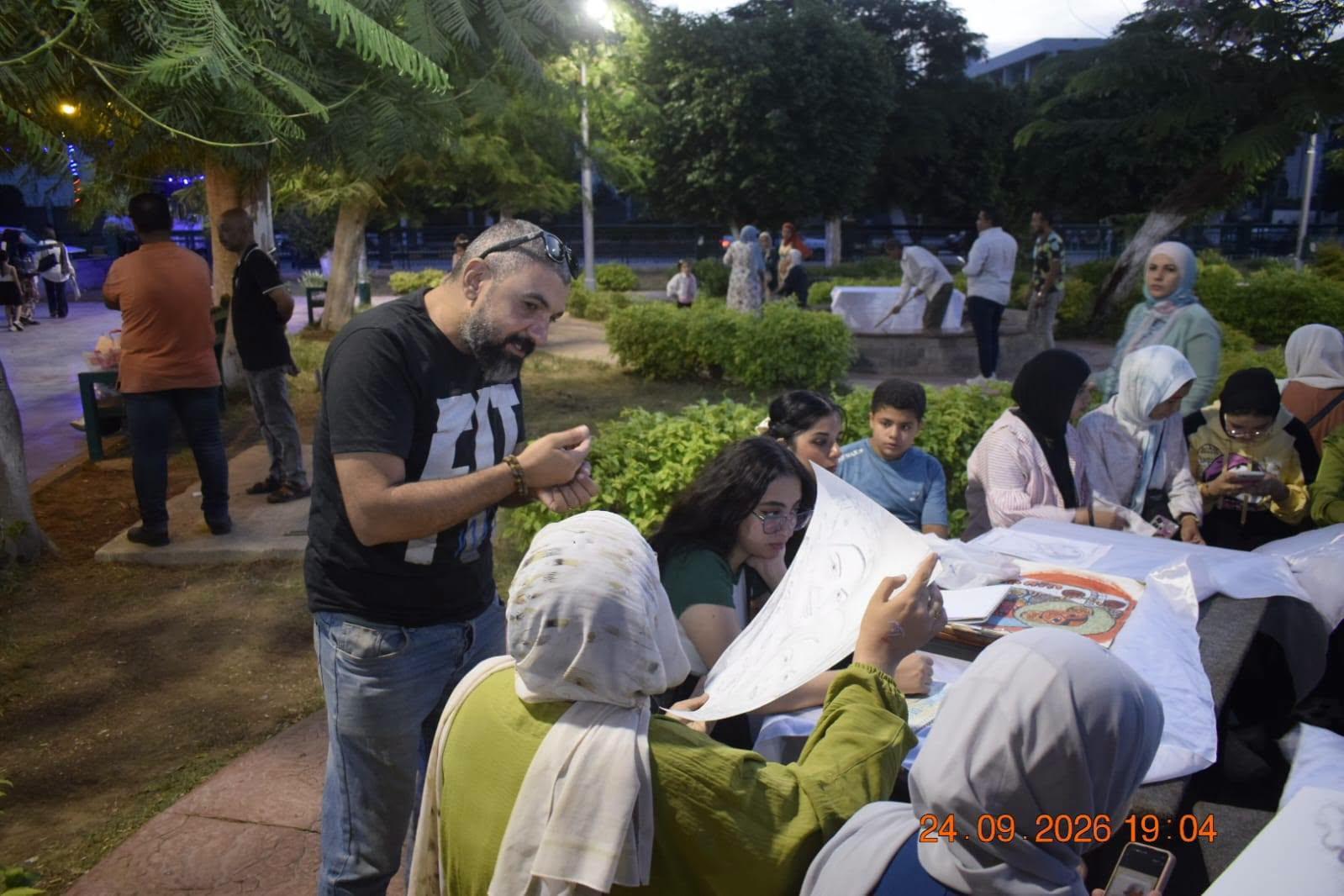
What if the journey towards a more sustainable future begins in a child's hands?
We often discuss sustainability through recycling systems, green technologies, and resource management. These are essential, but there is another dimension that deserves greater attention: how we learn to see, use, repair, and transform the things around us.
A discarded object is not necessarily the end of a material's story. It may become a new tool, an artistic experiment, a learning resource, or the starting point of an unexpected invention.
But the deeper transformation is not only in the material itself. It is in the way we think about it.
Through creative making, children can discover the hidden possibilities of everyday materials. Wood, cardboard, fabric, metal, plastic, and ordinary objects become opportunities to explore, experiment, solve problems, and develop imagination.
This is the idea behind Baby Warsha – A Journey into the Heart of Things, a cultural and educational initiative based in Minya, Upper Egypt.
The initiative explores the relationship between creativity, craftsmanship, materials, and hands-on learning. It creates opportunities for children and young people to experiment, dismantle, reconstruct, make mistakes, and discover new possibilities through practical artistic experiences.
For us, a workshop is not simply a place where handmade objects are produced. It is a space where knowledge is created through experience, where imagination meets practical skills, and where children develop a different relationship with the resources around them.
There is also an important connection between traditional craftsmanship and the circular economy. For generations, craftspeople have understood how to work with available materials, repair objects, extend their lives, and transform resources into useful and meaningful things.
This knowledge deserves to be passed on to younger generations, not only as cultural heritage, but also as a source of inspiration for contemporary approaches to sustainability and innovation.
I believe that the transition towards a more sustainable future is not only a technological or economic challenge. It is also a cultural and educational challenge.
We need to create spaces where creativity, environmental awareness, traditional knowledge, and practical learning can come together.
Through Baby Warsha, I am interested in exploring how creative making can contribute to environmental awareness, cultural heritage transmission, community innovation, and more responsible ways of using materials.
I welcome opportunities to connect with educators, makers, researchers, environmental organisations, and social innovators who share an interest in these ideas.
Perhaps the future of sustainability begins when we teach the next generation not only how to consume less, but how to imagine more possibilities in what already exists.
About the Author
Wael Shotby is an Egyptian artist, designer, and founder of Baby Warsha – A Journey into the Heart of Things, a cultural and educational initiative based in Minya, Upper Egypt. His work explores the intersections of creative making, visual arts, craftsmanship, cultural heritage, and hands-on learning.
References

 عربي
 French


This website is funded by the European Union, within the framework of the Green Forward programme, implemented at the meso level by SPARK in Jordan, Lebanon, Palestine, Morocco, Tunisia, and Egypt. Its contents are the sole responsibility of SPARK and do not necessarily reflect the views of the European Union.