




 SPARK Website
 Opportunities
Film Production Company Dubai | Cinematic Stories
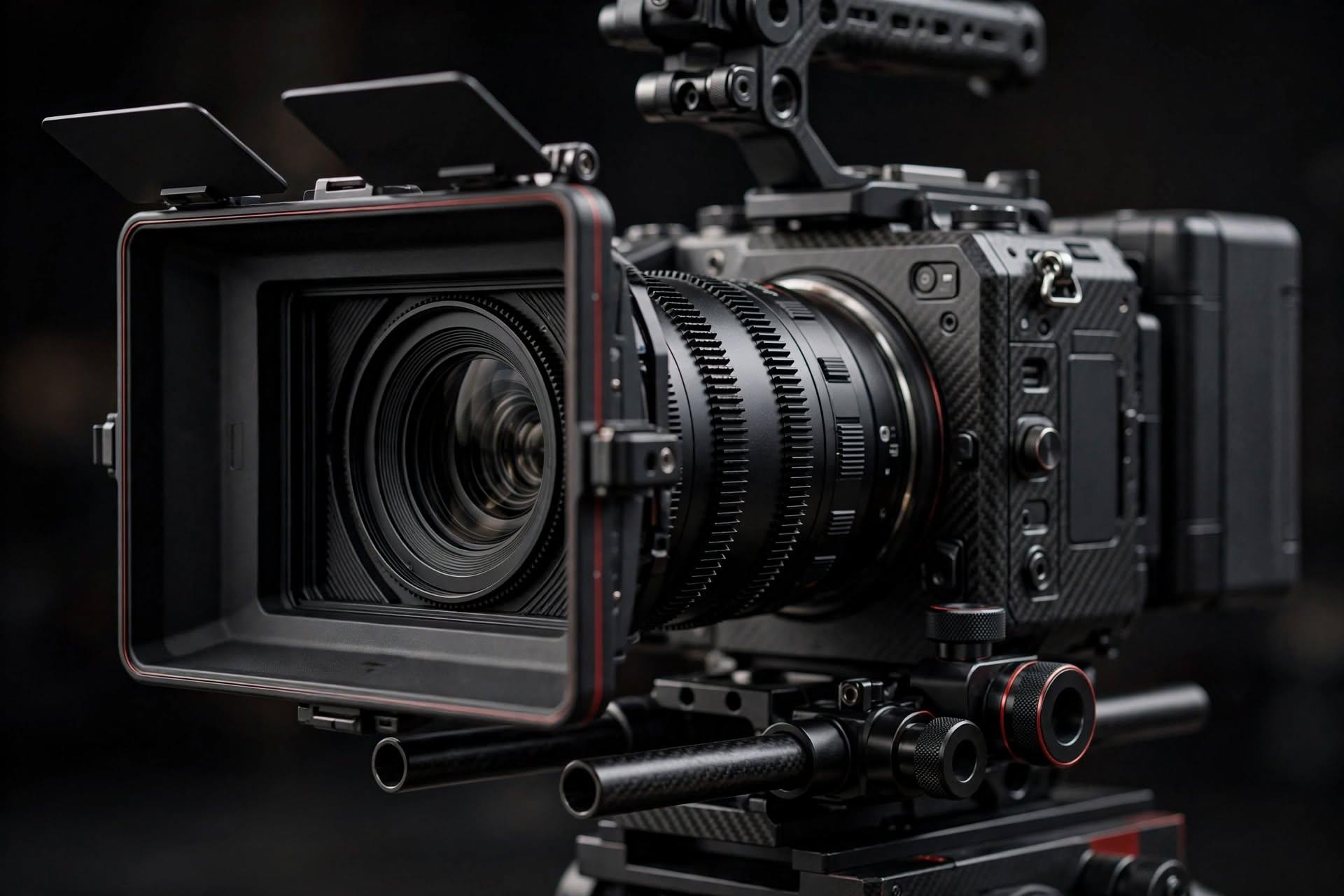
Businesses need visual content that explains their services, builds credibility, and communicates useful information. A film production company dubai organisations choose should understand how storytelling, camera work, sound, and editing support business objectives. However, live-action footage is not always enough to explain every idea. Animation can demonstrate technical processes, illustrate products, and simplify information that would otherwise require lengthy explanations. Combining both methods gives businesses more ways to communicate clearly while keeping the message relevant to their audience.
1. Choosing the Right Visual Format
The best format depends on what the audience needs to understand. Live-action production works well when real people, physical environments, workplace activities, or authentic customer experiences are central to the message. It allows viewers to see employees, products, facilities, and business operations directly.
Animation is useful when the subject cannot easily be recorded with a camera. It can illustrate invisible processes, show how a product operates internally, or present a concept that does not yet exist physically. Motion graphics can also simplify statistics, instructions, and comparisons.
Businesses should avoid selecting a format simply because it looks impressive. The more useful question is whether the format makes the message easier to understand. A short filmed demonstration may explain a physical product better than animation, while an animated sequence may be clearer for a complicated digital service.
2. Building a Story Around Audience Needs
Effective visual communication begins with understanding the audience. A corporate film intended for potential investors requires different information from a promotional video aimed at everyday customers. The tone, terminology, pacing, and supporting visuals should reflect those differences.
A business should identify its main message before developing the script. The introduction can present a relevant challenge, the middle can explain the solution, and the ending can reinforce the key benefit. This structure keeps the film focused and prevents unnecessary information from distracting viewers.
For example, a logistics company may want to explain how its delivery service works. Filmed footage can show vehicles, staff, and warehouse operations. Simple animated graphics can then illustrate order tracking, delivery stages, and information moving between systems. Each visual element serves a clear purpose within one connected story.
3. Planning Production Before Recording
Pre-production establishes how a concept will become a finished film. It includes briefing, scripting, storyboarding, scheduling, location selection, casting, equipment planning, and approvals. These activities help the production team identify potential difficulties before they affect the budget or deadline.
The creative brief should specify the audience, objective, core message, expected duration, distribution channels, and required deliverables. It should also identify the people responsible for approving scripts and edits. Clear responsibilities reduce delays caused by conflicting feedback.
A storyboard is particularly valuable when a project combines filmed scenes with animation. It shows where each visual begins, how scenes connect, and which information needs to appear on screen. The team can review the planned sequence before committing to expensive filming or detailed animation work.
4. Solving Communication Problems With Animation
Businesses sometimes struggle to explain products that contain complex features. Technical descriptions may be accurate but difficult for customers to follow. Animation helps by presenting information in a sequence that viewers can see rather than asking them to imagine every step.
Consider a manufacturer introducing an advanced water filtration system. Filming the finished product provides a realistic view, but a camera cannot easily reveal the movement of water through internal components. Three-dimensional animation can show the filtration stages and explain the function of each part.
A professional animation studio in Dubai can develop these visual sequences using suitable styles and levels of detail. The project should begin with verified technical information, approved diagrams, and clear explanations from subject specialists. This helps prevent visual errors and ensures that the animation supports accurate communication.
5. Keeping Visual Quality Consistent
When live-action and animation appear in the same film, their visual styles should feel connected. Differences in colour, lighting, typography, pacing, and sound can make the final production feel disjointed. A shared creative direction helps maintain consistency throughout the project.
The team should establish brand colours, graphic styles, transition rules, and sound choices during planning. Animations should use the same terminology as the script, while filmed scenes should follow the intended tone. Consistency does not mean every scene must look identical; each element should contribute to the same overall message.
Audio deserves equal attention. Dialogue should remain clear, music should support the mood, and sound effects should not distract from important information. Subtitles and accessible text can help viewers understand the content in different viewing environments.
6. Preparing Content for Different Platforms
One production can support several marketing activities when distribution needs are considered early. A longer corporate film may introduce the company on its website, while shorter edits can communicate individual benefits through social media and presentations.
Businesses should identify the required formats before filming. Horizontal video may suit websites and presentations, whereas vertical edits can work better on mobile-focused platforms. Important subjects should remain visible within the relevant frame, and on-screen text must be readable on smaller screens.
Language requirements also influence production. Companies serving audiences in Arabic and English should consider translation, subtitles, voice-over, and text placement before final delivery. Planning these elements early can reduce editing time and help preserve the meaning of the original message.
7. Conclusion
Business films become more effective when the creative format matches the information being communicated. Live action builds a connection with real people and places, while animation explains processes and ideas that cameras cannot easily capture. Clear planning, accurate scripts, consistent visual direction, and platform-specific editing help bring these methods together.
Zaini Media provides film production and animation services for projects that need coordinated visual storytelling. Choosing an appropriate animation studio in dubai alongside a capable production team can help businesses create content that is both informative and visually engaging. The priority should always be clarity, accuracy, and relevance to the intended audience.
FAQs
1. Can live action footage and animation be used in one video?
Yes. Businesses can combine interviews, demonstrations, filmed environments, motion graphics, and three-dimensional sequences when each element supports the central message.
2. Which is more suitable for product promotion?
The answer depends on the product. Live action shows its real appearance and use, while animation can explain internal features or demonstrate functions that are difficult to film.
3. Why is storyboarding important?
It helps the team plan scene order, visual transitions, and information placement before production begins.
4. How can companies avoid inconsistent visuals?
They can approve a shared creative direction covering colour, typography, sound, graphics, and editing style before production.
5. Can one film be adapted for multiple platforms?
Yes. A planned production can provide different edits and aspect ratios for websites, presentations, advertising, and social media.

 عربي
 French


This website is funded by the European Union, within the framework of the Green Forward programme, implemented at the meso level by SPARK in Jordan, Lebanon, Palestine, Morocco, Tunisia, and Egypt. Its contents are the sole responsibility of SPARK and do not necessarily reflect the views of the European Union.