


 SPARK Website
How Can You Build a High-Performance Salon App in 2026?
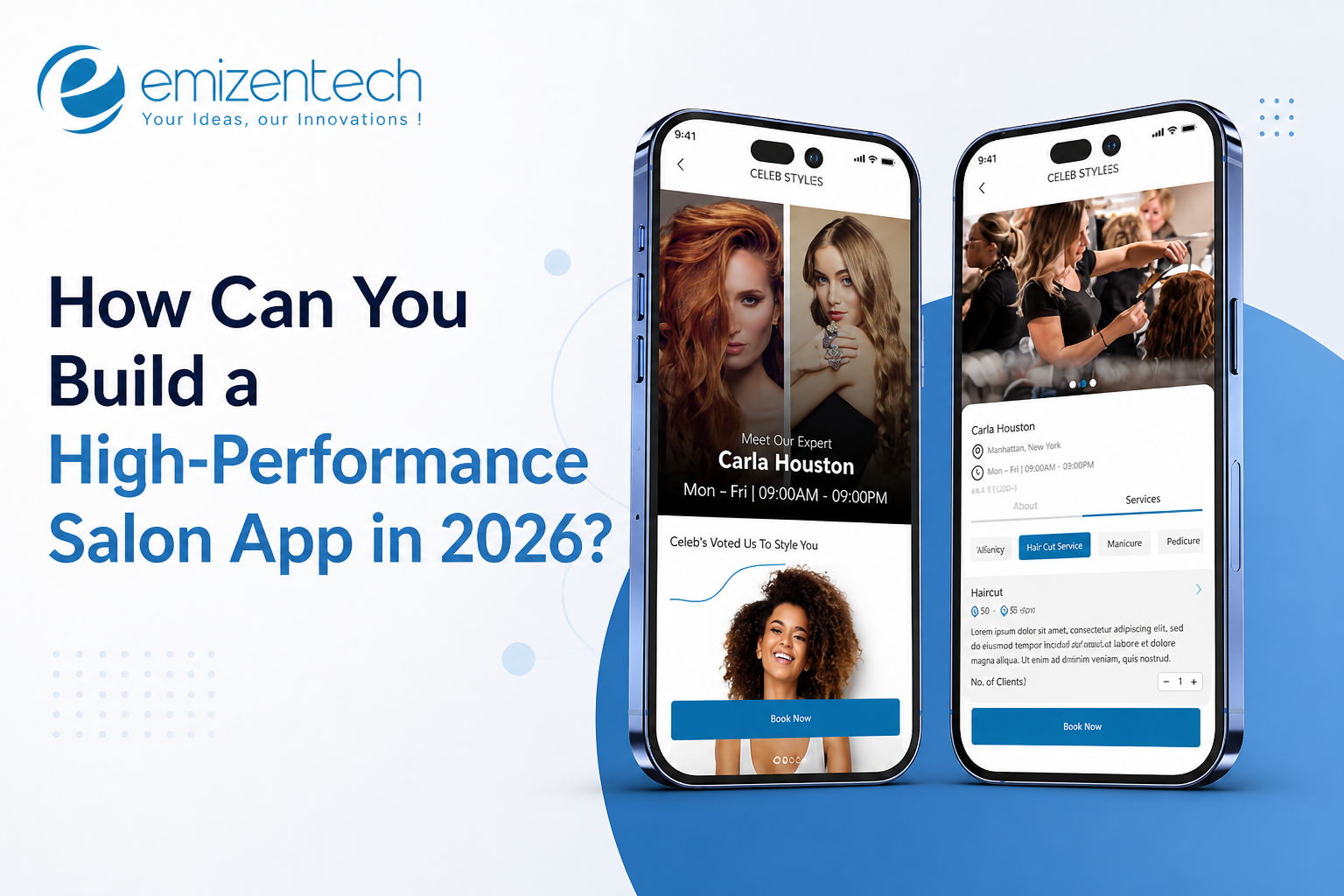
The beauty and wellness industry has undergone a massive digital transformation over the last few years, and 2026 is expected to push this evolution even further. Customers today prefer convenience, speed, and personalization when booking salon services, which has made mobile apps a necessity rather than an option. Businesses are increasingly focusing on digital solutions to streamline bookings, manage customers, and improve overall service experience.
A well-designed salon app not only simplifies appointment scheduling but also enhances customer engagement through personalized offers, reminders, and loyalty programs. It acts as a complete ecosystem connecting customers, salon owners, and service providers. With increasing competition in the beauty industry, having a high-performance digital solution is essential for staying relevant and profitable.
Market Trends Driving Salon App Development in 2026
The demand for salon apps is rising rapidly due to shifting customer expectations and technological advancements. One of the biggest trends is AI-powered personalization, where apps recommend services based on user preferences and past bookings. Another key trend is real-time appointment management, allowing users to book, reschedule, or cancel appointments instantly.
Additionally, the integration of AR (Augmented Reality) is becoming popular, enabling users to virtually try hairstyles or makeup before booking services. Cloud-based systems are also improving scalability and data security, making salon app development more efficient for businesses of all sizes.
Subscription-based beauty services and on-demand home salon services are also shaping the market. Customers now prefer flexibility, which is encouraging salons to adopt digital platforms that offer both in-store and at-home services. These trends are making the industry more customer-centric and technology-driven than ever before.
Key Benefits of Building a Salon App for Your Business
Improved Customer Convenience
Customers can easily book, reschedule, or cancel appointments anytime without calling the salon, making the entire process fast and hassle-free.
Better Customer Retention
Features like reminders, loyalty rewards, and personalized offers help businesses build long-term relationships with clients.
Increased Operational Efficiency
Automating bookings, payments, and scheduling reduces manual workload and allows staff to focus more on delivering quality services.
Enhanced Brand Visibility
A mobile app strengthens your digital presence and helps attract new customers through online discovery and referrals.
Data-Driven Decision Making
Businesses can collect customer insights, analyze behavior, and improve marketing strategies for better growth and revenue.
Essential Features of a High-Performance Salon App
To build a successful salon app, including the right features is crucial. A high-performance application should be user-friendly, fast, and scalable.
Some must-have features include:
User Registration & Profile Management
Customers can easily create accounts and manage their personal details in one place. It also helps them save preferences and track their booking history for a smoother experience.
Smart Appointment Booking System
Users can view real-time availability and book appointments instantly. This reduces scheduling conflicts and ensures better time management for both customers and salon staff.
Service Listings with Pricing
All salon services are displayed with clear descriptions, duration, and pricing. This helps customers compare options and choose the right service before booking.
Secure Payment Integration
The app supports multiple payment methods like cards, UPI, and wallets. Strong security features ensure safe and hassle-free transactions for users.
Push Notifications & Alerts
Customers receive timely reminders for appointments, discounts, and special offers. This improves engagement and reduces missed bookings.
Advanced features like AI recommendations, chat support, and loyalty programs further enhance user experience. In modern salon app development, performance optimization and smooth UI/UX design play a major role in ensuring customer satisfaction and retention.
Step-by-Step Process to Build a Salon App
Developing a salon app requires a structured approach to ensure efficiency and scalability.
Market Research and Planning
This step involves analyzing target users, competitors, and current market trends. It helps in identifying user needs and defining clear app goals and essential features for success.
Choosing the Right Technology Stack
Selecting the right technologies for frontend, backend, and database ensures smooth performance. It also impacts scalability, security, and the overall efficiency of the application.
UI/UX Design
A simple, clean, and user-friendly design is essential for better engagement. The focus should be on intuitive navigation and a seamless booking experience for users.
App Development
This stage includes building both frontend and backend systems along with API integrations. It also involves setting up databases to ensure smooth data flow and functionality.
Testing and Quality Assurance
The app is thoroughly tested to identify and fix bugs before launch. This ensures smooth performance across devices and provides a reliable user experience.
Deployment and Launch
After successful testing, the app is deployed on platforms like Android and iOS. Proper launch strategies are used to reach the target audience effectively.
Maintenance and Updates
Regular updates are required to fix issues, improve performance, and add new features. Continuous maintenance ensures the app stays competitive and up to date.
Following this structured process ensures successful salon app development with long-term scalability and reliability.
Cost to Build a High-Performance Salon App in 2026
The cost of developing a salon app depends on various factors such as complexity, features, platform, and development team location. On average, a basic salon app may cost less compared to a feature-rich, AI-powered application.
Basic App Cost
A basic salon app with simple features like user login, service listing, and appointment booking is the most affordable option. It is suitable for startups or small salons testing digital presence. However, it offers limited scalability and fewer advanced features.
Mid-Level App Cost
This type includes features like online payments, push notifications, customer profiles, and an admin panel. It provides a balanced user experience and better functionality. It is ideal for growing salons looking to expand their customer base.
Advanced App Cost
An advanced salon app includes AI-based recommendations, analytics dashboards, loyalty programs, and multi-branch management. It is designed for scalability and better performance. The cost is higher but delivers strong long-term business value.
Platform Choice Cost
The cost depends on whether the app is built for Android, iOS, or both platforms. Native apps are more expensive due to separate development efforts. Cross-platform development is more budget-friendly and faster to deploy.
Integration Cost
Third-party integrations like payment gateways, SMS services, and booking APIs increase overall cost. These integrations are essential for smooth app functionality. The more integrations required, the higher the development expense.
Maintenance Cost
Ongoing maintenance includes bug fixes, updates, security patches, and performance improvements. It ensures the app runs smoothly and stays updated with market needs. This is a continuous cost required for long-term success.
In 2026, businesses are focusing more on value-driven salon app development rather than just cost, ensuring better ROI through enhanced customer experience and automation.
Factors Affecting Salon App Development Cost
Several elements influence the overall cost of building a salon app:
-
App Complexity: More features mean higher development costs.
-
Platform Choice: Native apps for iOS and Android cost more than cross-platform solutions.
-
Design Requirements: Custom UI/UX design increases cost.
-
Technology Stack: Advanced technologies like AI and AR add to the budget.
-
Development Team Location: Costs vary depending on region and expertise.
-
Maintenance & Updates: Ongoing support adds to long-term expenses.
Understanding these factors helps businesses plan their salon app development budget effectively and avoid unexpected expenses.
Monetization Strategies for Salon Apps
Commission on Bookings
The app can charge a small commission on every appointment booked through the platform. This is one of the most common and scalable revenue models for salon apps.
Subscription Plans for Salons
Salon owners can pay monthly or yearly subscription fees to access premium features. These may include advanced analytics, priority listing, or marketing tools.
In-App Advertising
Beauty brands and product companies can advertise their services within the app. This creates an additional revenue stream without affecting core functionality.
Featured Listings & Promotions
Salons can pay to appear at the top of search results or on the homepage. This increases their visibility while generating extra income for the platform.
Selling Beauty Products
The app can also include an e-commerce section for selling beauty and grooming products. This helps expand revenue beyond just service bookings.
How to Choose the Right Salon App Development Company?
Selecting the right development partner is crucial for building a successful app. Businesses should look for a company with proven experience in mobile app development and a strong portfolio in the beauty industry.
It is important to evaluate technical expertise, design capabilities, and post-launch support services. Transparent communication and agile development processes are also key factors.
A reliable partner ensures smooth salon app development from planning to deployment while providing long-term support for scalability and updates. Choosing the right team can significantly impact the success of your digital transformation journey.
Conclusion
In 2026, the beauty industry is becoming more digital, customer-focused, and technology-driven. Investing in a salon app is no longer optional but a strategic move for business growth. From improved customer engagement to streamlined operations, the benefits are significant and long-lasting.
A well-planned development approach ensures better performance, scalability, and user satisfaction. Partnering with experienced developers can further enhance the success of your project. Companies like EmizenTech are helping businesses transform their ideas into powerful digital solutions with advanced features and modern technologies, making it easier to compete in a fast-evolving market.
FAQs
1. Why is salon app development important in 2026?
It helps businesses automate bookings, improve customer experience, and increase revenue through digital channels.
2. How long does it take to build a salon app?
Depending on complexity, it can take anywhere from a few weeks to several months.
3. What features should a salon app include?
Key features include booking systems, payment integration, service listings, and customer notifications.
4. Can small salons benefit from a mobile app?
Yes, even small salons can improve customer retention and streamline operations using an app.
5. Is it expensive to develop a salon app?
Costs vary based on features and complexity, but scalable solutions are available for different budgets.

 عربي
عربي