


 SPARK Website
How to Organize PDF Pages Before Pressing Print?
How to Organize PDF Pages Before Pressing Print? starts with understanding why page order matters. When pages are in the correct order, the document becomes easy to read and understand. A reader does not feel confused or lost while going through the content. Proper arrangement also saves time because no one needs to search for missing pages or fix mistakes after printing. In simple terms, correct order builds a smooth reading flow that looks clean and professional. When PDF pages are not arranged properly, the printed file can become messy. Important sections may appear in the wrong place, which can change the meaning of the document.
How does page arrangement affect final print quality?
Page arrangement directly controls final output quality because the correct sequence creates a smooth reading experience while the wrong sequence creates confusion in the printed document. When pages follow the correct order, the document shows clear structure with proper beginning, middle, and end that helps the reader understand content easily during use.
Wrong arrangement changes structure and creates gaps in information flow, which makes documents difficult to understand even when printing quality remains high. The printing machine produces pages based on file input, so the machine cannot fix sequence mistakes inside the document. Errors always start from the file preparation stage and carry forward into the final printed result.
Why do PDF pages get mixed before printing?
PDF pages get mixed due to file handling issues during the merging process, where multiple documents combine into a single file and sequence changes without clear notice. Software behavior during export also changes the order in some cases where the file structure does not remain the same as the original layout.
Human mistakes also play a role when pages move accidentally during the editing or rearranging process and changes remain unsaved before printing action. Large file size can also create instability during editing, where page position shifts inside the document view. These situations appear often during daily office or study work.
How can you check page sequence in a PDF file?
Page sequence can be checked using a PDF reader, where the scrolling function allows viewing each page in order from start to end. This method helps in identifying wrong placement or missing pages before printing begins and reduces chance of errors in final output.
Thumbnail view also helps because all pages appear on screen at same time and page movement becomes easier during the review process. Pages can be adjusted quickly inside this view when order appears incorrect. Careful review before printing avoids repeated work and helps maintain correct structure in final document output.
What tools help you organize PDF pages easily?
PDF tools support page organization through features like move, delete, and reorder functions that allow control over document structure without technical difficulty. Most PDF readers include basic editing options that help adjust page sequence quickly during the preparation stage.
Online tools also provide a simple interface where file upload allows drag-and-drop page arrangement for quick correction. System print settings also provide options for page handling that help control output order during the printing stage. These tools reduce manual effort and help maintain proper structure across documents before final print action.
How does collating work when printing PDF files?
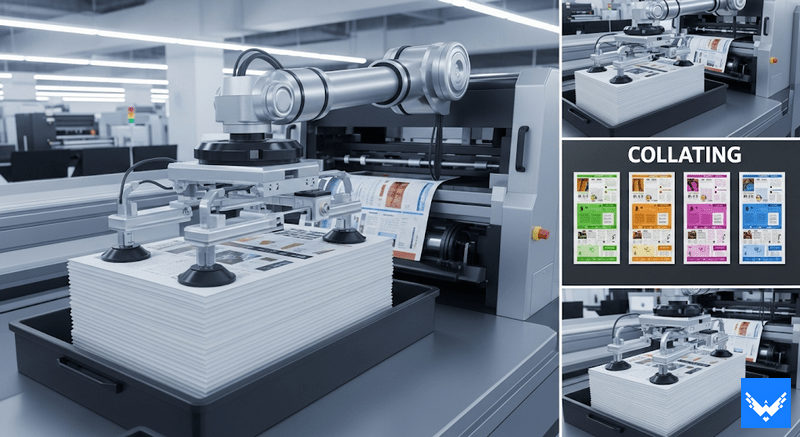
Collating works by keeping pages in the correct order during multi-copy printing so each copy of the document prints as a complete set from the first page to last page. This process ensures each set remains separate and organized instead of mixing pages from different copies.
For example, when a document contains ten pages and two copies are printed, collating produces the first complete set from page one to ten, followed by a second complete set in the same order. Without collating, the printer produces all page one copies first and then continues with next pages, which creates confusion during the sorting stage.
What is the collate in printing?
The phrase what is collate in printing PDF? is often asked by people who deal with documents daily. Collate simply means printing pages in a complete set instead of mixing all pages. It keeps each copy of a document in proper order from start to finish.
Collating becomes useful during bulk printing where multiple copies need proper arrangement. Without collating, pages come out in groups based on page number which requires manual sorting after printing. Offices, schools, and document centers use this function to reduce handling time and maintain order in printed material.
How can mistakes be avoided when printing large PDF documents?
Large PDF documents require careful checking before printing because missing or wrong pages can cause full reprint. Reviewing each page before print helps in identifying sequence issues early and avoids confusion during the output stage.
Test printing a small portion of the file also helps in detecting layout or order problems before full print begins. Print preview gives a clear view of final output and allows correction before paper use starts. These steps reduce errors, save resources, and help maintain correct structure during the printing process without repeated correction cycles.
What role does page preview play before printing?
Page preview shows the final structure of the document before printing begins and displays page order, layout, and alignment on screen. This view helps in identifying missing pages or incorrect placement before any printing action takes place.
Changes can be made directly after preview when the structure does not match the expected output. Preview also helps reduce paper and ink use because corrections happen digitally instead of after printing. This step improves accuracy and supports a smooth printing process across different types of documents.
How do professionals manage PDF printing workflows?
Professionals follow a structured workflow where file preparation starts with checking page order and reviewing document layout carefully before the print stage. Each file passes through the preview stage to confirm the correct sequence and alignment.
In many office systems, shared printing setups manage document flow where files go through controlled steps before final output. In packaging and design work, companies like UPacked use organized file handling to ensure correct output during the printing and production process. This structured method reduces errors and improves consistency across multiple projects.
How can businesses benefit from organized PDF printing?
Businesses benefit from organized printing because correct file preparation reduces time spent on fixing errors and improves workflow efficiency during daily operations, branded packaging from UPacked. Proper structure ensures document prints correctly in the first attempt without need for a reprint cycle.
Paper waste also reduces when file order remains correct and the printing process stays controlled. Communication between teams improves because reports and documents remain easy to understand and share. Companies working with UPacked also depend on structured file handling for packaging and design work where correct layout ensures proper production output.
How does good document setup improve overall printing results?
Good document setup improves printing outcome because correct page order and clean structure allow smooth output without errors during the final print stage. Proper setup reduces the chance of missing pages and keeps the entire document aligned from start to finish.
Cost and time also reduce because fewer corrections and reprints occur when file preparation stays accurate. In the packaging and design workflow, UPacked uses proper document setup to maintain correct production output and ensure reliable results across projects. Strong preparation always leads to stable and clear printing performance.

 عربي
عربي