


 SPARK Website
Ditching the Shelves: Why Reading Books Online Feels Better Than You Think
You’ve probably told yourself you prefer “real” books. The smell of paper, the weight in your hands, the satisfying thud when you close a finished chapter. I get it. I used to be that person.
Then life got messy. Moving apartments meant hauling six boxes of hardcovers. Traveling meant choosing between a novel and an extra pair of shoes. And late-night reading? Forget it unless you enjoy disturbing everyone in the room with a lamp.
So I caved. I tried reading books online.
That was years ago. Now? I haven’t looked back. Not because I don’t love paper—but because digital reading solved problems I didn’t even know I had.
Let me show you what I’ve learned. No fluff. No “digital transformation” buzzwords. Just practical, human reasons why reading online might actually work better for your real life.
The One Myth That Keeps People Away (And Why It’s Wrong)
Most folks think reading on a screen hurts their eyes or destroys their attention span.
Fair concern. But here’s the truth no one tells you: modern digital reading isn’t the same as doomscrolling social media at 2 AM.
When you read books online through a dedicated platform, you control everything. Font size. Background color (dark mode is a lifesaver). Line spacing. Even the screen warmth. Try adjusting the font on a paperback.
I’ve read entire novels on my phone during commutes, on my tablet in bed, and on my laptop during lunch breaks. My eyes feel fine. My focus? Better than ever, because I’m not fighting bad lighting or tiny print.
Stop Hoarding. Start Reading.
Here’s a hard truth from someone who owned over 300 physical books:
You don’t actually need to own every book you read.
Most paper books sit on shelves for years. You read them once—maybe twice—and they collect dust. Meanwhile, you’re running out of space, and your wallet is crying.
Reading books online flips that model completely. You access stories when you want them. You don’t store them. You don’t dust them. You just read.
And if you love a book so much that you want a physical copy? Buy it then. But stop pretending you’ll re-read every single purchase. You won’t. I certainly didn’t.
The Hidden Superpower: Adjustable Reading Speed
No one talks about this enough.
When you read a physical book, you’re stuck. The font is whatever the publisher chose. The margins are fixed. If you’re a slow reader? Too bad. If you need larger text? Buy the large-print version (if it exists).
An online textbook platform or digital textbook platform changes the game entirely. Students, I’m looking at you.
Imagine studying for an exam. You’re highlighting, searching for keywords instantly, and adjusting text size so you don’t lose your place. Try doing that with a 900-page chemistry textbook. You can’t. You’d break your back just carrying it to class.
That’s why so many students have quietly switched to digital. Not because it’s trendy—because it saves time. You search a term, find every mention in seconds, and move on. No flipping pages. No sticky notes everywhere.
Real Talk: What About Distractions?
You might be thinking, “Won’t I just check Twitter every five minutes?”
That’s a fair question. And the answer depends on you.
But here’s a trick that works for me: treat your reading app like a dedicated space. Close other tabs. Put your phone on Do Not Disturb. Use a full-screen reading view. Within ten minutes, your brain forgets the notifications exist.
Also, many platforms now offer focus modes. They strip away everything except the text. No comments. No recommendations. Just you and the page.
It feels surprisingly peaceful. Like a digital version of a quiet library corner.
Why “Owning” Digital Books Isn’t As Scary As It Sounds
People worry about losing access to books they’ve paid for. I understand that fear.
Here’s my practical advice: don’t overthink it.
Most major services let you download books for offline reading. Some even let you export highlights and notes. And honestly? How often do you re-read a book? Most people re-read less than 5% of their library.
If you love a book that much, buy a used paperback for $4. Keep it on your shelf as a trophy. For the other 95%? Reading online is perfectly fine.
And if a platform ever shut down (unlikely for major players), you’d have plenty of warning to download what you need. This isn’t 2005 anymore. The industry has matured.
A Quick Note on Discovery
Here’s something physical bookstores can’t do well: show you what readers actually finish.
When you read books online, platforms learn what you enjoy. Not from surveys or algorithms guessing—from your actual behavior. How long you read. What you highlight. When you stop and start.
Over time, recommendations get eerily good. You’ll find authors and genres you never would have picked up in a store. I discovered three of my favorite sci-fi novels this way. Never saw them on a shelf.
That’s the quiet magic of digital. It doesn’t just change how you read. It changes what you read.
The Social Side (Yes, There Is One)
People think online reading is lonely.
It’s actually the opposite.
Many platforms let you see popular highlights. You’ll be reading a novel and notice a sentence underlined by hundreds of other readers. Suddenly you’re not alone. You’re part of a quiet, invisible book club.
You can even leave notes for yourself or share passages with friends. No passing a battered paperback back and forth. Just a link. They read the same paragraph seconds later.
That’s powerful. And underrated.
But What About New Releases?
Physical books still win on new releases… sometimes.
Big-name authors often launch in hardcover first. Digital versions might come a few months later. That’s true.
But for backlist titles? Classics? Indie authors? Digital wins every time. You can find books online that have been out of print for decades. Try finding an obscure 1980s memoir at your local bookstore. Good luck.
Digital archives preserve things physical stores can’t afford to keep. That matters if you like reading outside the bestseller list.
Let’s Talk About Cost (Because We’re All Adults Here)
Reading books online is generally cheaper than buying paper.
But “cheaper” doesn’t mean “free.” Quality content costs money to produce. Authors deserve to be paid.
That said, you have options. Many libraries now offer digital lending. Free, legal, and surprisingly extensive. All you need is a library card.
Subscription services exist too. Pay a monthly fee, read as much as you want. If you finish more than two books a month, it usually pays for itself.
And for students? An online textbook platform or digital textbook platform often costs half what a physical textbook does. Same content. Searchable. Lighter. Your back will thank you during finals week.
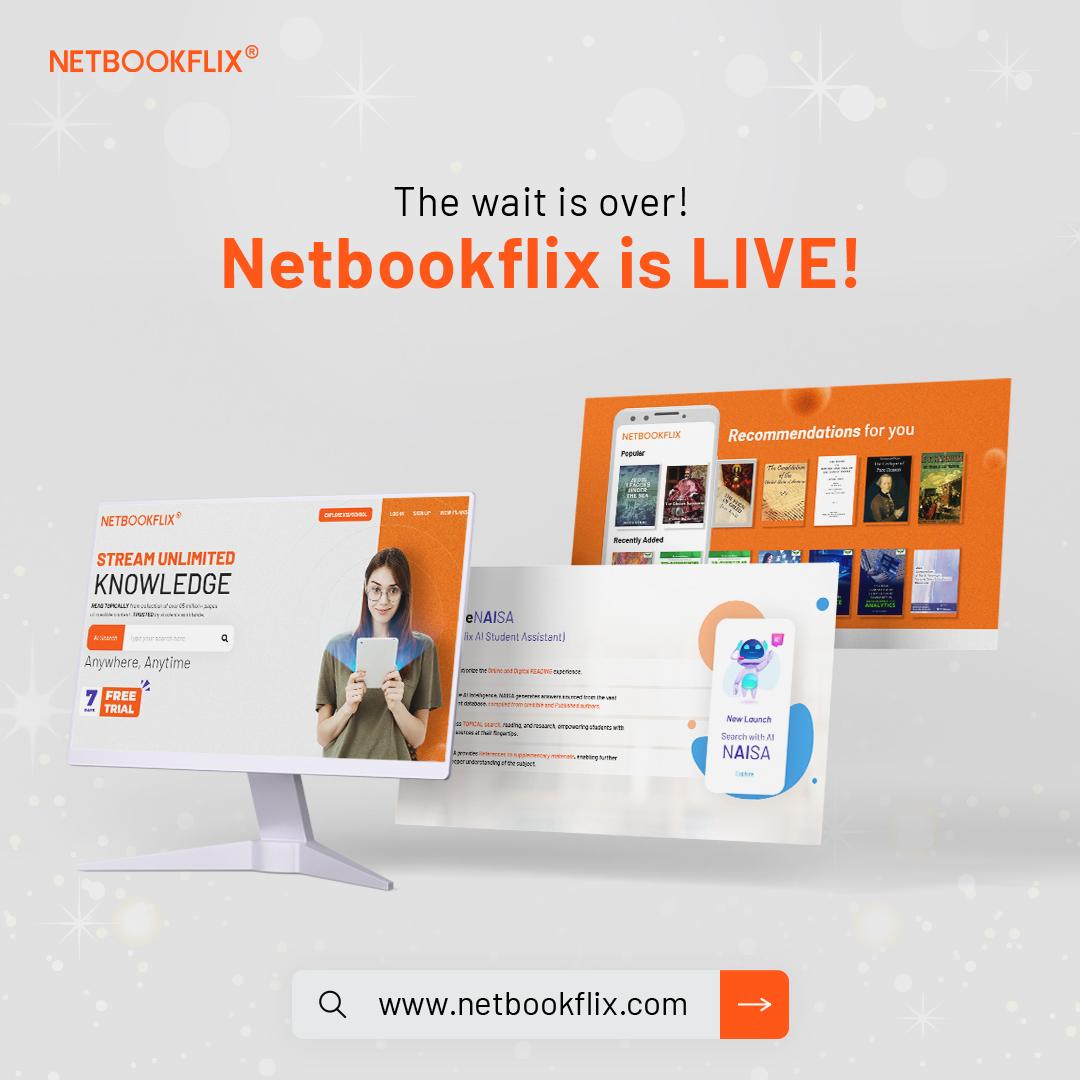
By the way, if you’re curious about exploring different options, platforms like NetBookflix have popped up to offer flexible access to digital libraries. Worth a look if you read across multiple genres.
Practical Setup Tips (From Someone Who Messed This Up at First)
Don’t make my early mistakes. Do this instead:
· Use a matte screen protector if reading on a tablet. Kills glare. Feels more like paper.
· Enable warm light after sunset. Blue light messes with sleep. Warm light doesn’t.
· Set a daily goal not based on pages but on time. Fifteen minutes. That’s it. You’ll often read longer.
· Sync across devices. Start on your phone during your commute. Continue on your laptop at home. No lost progress.
· Export your highlights every few months. You’ll thank yourself later when writing or remembering key ideas.
Small tweaks. Big difference.
One Last Myth to Bust
“But I can’t concentrate on a screen.”
You can. You just haven’t trained yourself yet.
Reading online requires the same skill as reading paper: attention. The difference is that screens offer more temptations. That’s on you, not the medium.
Turn off notifications. Sit somewhere comfortable. Give it ten minutes of genuine focus. Your brain will adapt faster than you think.
I promise. Because if a former paper purist like me can switch, anyone can.
10 FAQs About Reading Books Online
1. Is reading books online bad for your eyes?
Not if you adjust brightness, use dark mode, and take breaks. Most eye strain comes from poor habits, not the screen itself.
2. Can I read textbooks on an online textbook platform?
Absolutely. Many students use a digital textbook platform for highlighting, searching, and note-taking—features physical books can’t match.
3. Do I need an internet connection to read?
No. Most platforms let you download books for offline reading. Download before a flight or commute.
4. How do I find free books online legally?
Check your local library’s digital collection, or look for public domain classics on trusted archives. Never pirate—authors depend on sales.
5. Can I highlight and take notes?
Yes. Most digital reading apps have built-in highlighting, note-taking, and even export features for your annotations.
6. What if I don’t like a book I start online?
You stop reading it. No guilt. No wasted shelf space. That’s one of the best perks of digital reading.
7. Will my progress sync between my phone and tablet?
If you use the same account on both devices, yes. Most major platforms sync bookmarks, highlights, and current page automatically.
8. Is it safe to enter payment info on reading sites?
Only use well-known platforms with HTTPS encryption. Avoid sketchy “free ebook” sites that ask for unnecessary personal data.
9. Can I share digital books with friends?
It depends on the platform. Some allow limited lending. Others don’t. Check their specific terms before buying.
10. What happens to my books if a platform shuts down?
Reputable platforms give advance notice and allow downloads. Always keep backups of your highlights and notes just in case.
Final Thoughts (And a Small Challenge)
Here’s what I’ve learned after years of reading both paper and pixels:
Neither is better. They’re just different.
Paper feels beautiful. Digital feels practical. And for most of us, practical wins on Tuesday nights when we’re exhausted and just want to read two chapters before sleep.
So here’s my challenge to you: try reading one book online. Not a short story. Not an article. A full book.
Adjust the font. Turn on dark mode. Read it somewhere comfortable.
If you hate it? Fine. Go back to paper. No harm done.
But if you like it? You’ve just opened a door to more reading, less hassle, and probably a few extra dollars in your pocket.
And honestly? That sounds like a win from where I’m sitting.
Happy reading however you choose to do it.

 عربي
عربي