


 SPARK Website
Physiotherapy After Stroke: Complete Recovery Guide
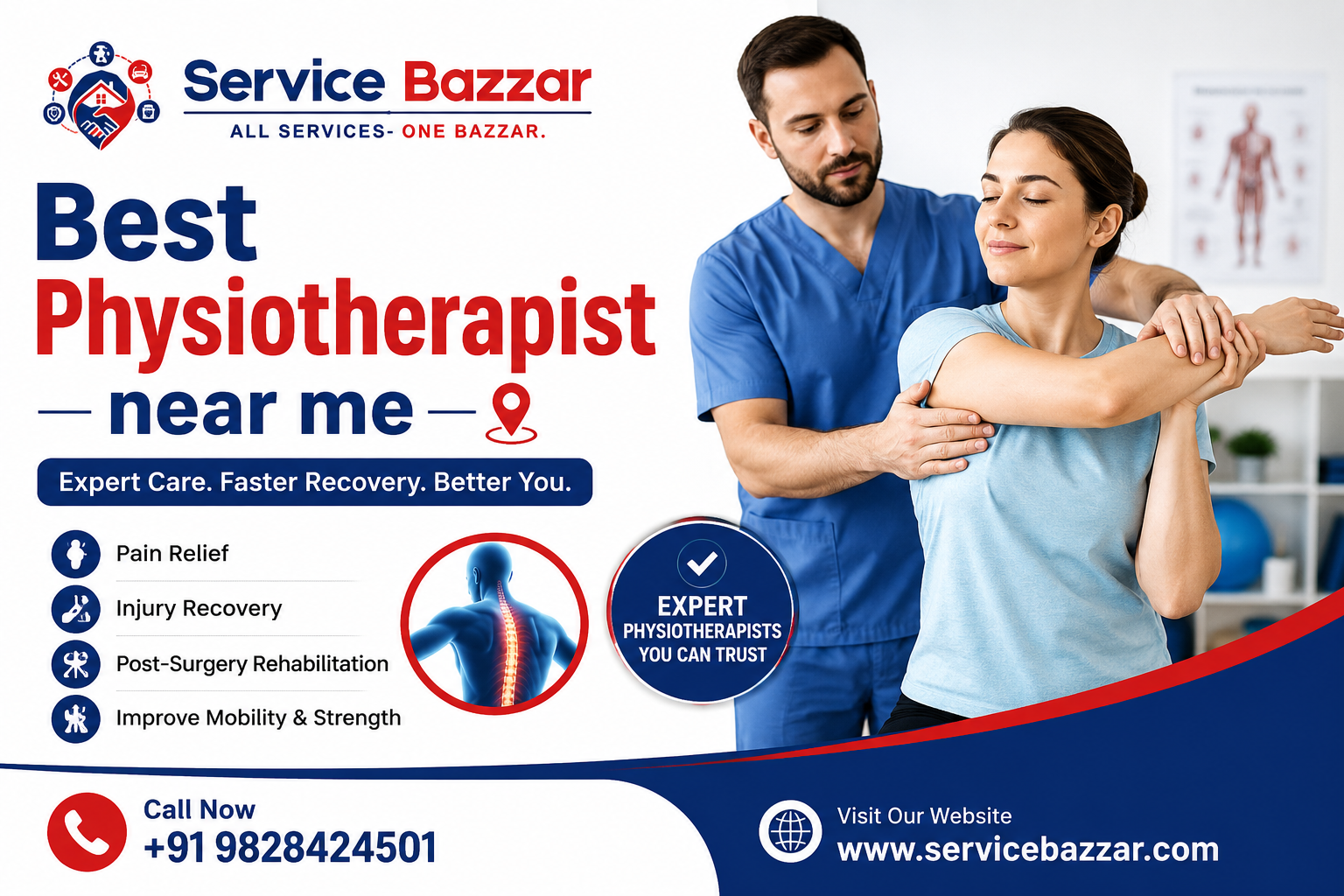
A stroke can change a person's life within seconds. It often affects movement, balance, speech, muscle strength, and the ability to perform everyday activities independently. Recovery after a stroke requires patience, dedication, and the right rehabilitation approach. Physiotherapy plays a crucial role in helping stroke survivors regain mobility, rebuild strength, and improve their quality of life.
For residents of Ahmedabad, access to professional physiotherapy services can significantly improve recovery outcomes. Whether treatment is provided at a clinic or at home, early intervention can make a major difference in restoring function and independence.
Understanding Stroke and Its Effects
A stroke occurs when the blood supply to a part of the brain is interrupted or reduced. Without adequate oxygen and nutrients, brain cells begin to die within minutes. Depending on the area of the brain affected, a stroke can cause:
-
Weakness or paralysis on one side of the body
-
Difficulty walking
-
Loss of balance and coordination
-
Muscle stiffness and spasticity
-
Speech and communication problems
-
Difficulty swallowing
-
Reduced endurance and stamina
-
Memory and cognitive challenges
The severity of these symptoms varies from person to person. However, rehabilitation through physiotherapy remains one of the most effective methods to regain lost functions.
Why Physiotherapy Is Important After Stroke
Physiotherapy focuses on restoring movement, strength, flexibility, and balance. Stroke patients often experience muscle weakness and reduced control over body movements. A physiotherapist develops a personalized treatment plan that helps patients recover gradually and safely.
Benefits of physiotherapy after stroke include:
-
Improved muscle strength
-
Better balance and coordination
-
Enhanced walking ability
-
Increased flexibility
-
Reduced risk of falls
-
Improved independence in daily activities
-
Better overall quality of life
Early rehabilitation often leads to faster and more effective recovery.
Stages of Stroke Recovery
Acute Stage
This stage begins immediately after the stroke. Physiotherapists help prevent complications such as joint stiffness, pressure sores, and muscle contractures. Gentle movements and positioning techniques are commonly used.
Subacute Stage
As the patient stabilizes, therapy focuses on regaining movement and functional abilities. Exercises become more active and goal-oriented.
Chronic Stage
Even months or years after a stroke, physiotherapy can continue to improve strength, mobility, and independence. Recovery is an ongoing process, and consistent therapy can lead to meaningful improvements.
Physiotherapy Techniques Used After Stroke
Range of Motion Exercises
These exercises help maintain joint flexibility and prevent stiffness. They are especially important for patients with limited mobility.
Strength Training
Muscle weakness is common after stroke. Controlled strengthening exercises help restore functional movement and improve physical performance.
Balance and Coordination Training
Many stroke survivors struggle with balance issues. Specific exercises improve stability and reduce the risk of falls.
Gait Training
Walking difficulties are common after stroke. Physiotherapists use gait training techniques to improve walking patterns, posture, and mobility.
Functional Training
Patients practice everyday activities such as standing, sitting, climbing stairs, and transferring from bed to chair.
Neuromuscular Re-education
This technique helps the brain and muscles reconnect through repetitive movement patterns and specialized exercises.
Home-Based Stroke Rehabilitation
Many patients recover better in a familiar environment. Professional physiotherapists can provide personalized care through Home Visit Physiotherapist Ahmedabad services, allowing patients to receive treatment without the stress of travel.
Advantages of home physiotherapy include:
-
Personalized attention
-
Comfortable environment
-
Family involvement in recovery
-
Better consistency in treatment
-
Reduced transportation challenges
Home rehabilitation is particularly beneficial for elderly patients and individuals with severe mobility limitations.
Choosing the Right Physiotherapist
Selecting an experienced physiotherapist is essential for successful recovery. When searching for a Physiotherapist Near Me Ahmedabad, consider the following:
-
Professional qualifications
-
Experience in neurological rehabilitation
-
Patient reviews and feedback
-
Customized treatment plans
-
Availability for home visits
-
Communication and patient support
A skilled physiotherapist understands the unique challenges of stroke recovery and provides tailored rehabilitation strategies.
Common Challenges During Recovery
Stroke rehabilitation is not always a smooth journey. Patients may experience:
Muscle Spasticity
Muscles may become stiff and difficult to control. Stretching and targeted exercises help manage this condition.
Fatigue
Stroke survivors often tire easily. Physiotherapists gradually increase activity levels while monitoring energy expenditure.
Balance Problems
Loss of balance increases the risk of falls. Specialized balance exercises improve confidence and mobility.
Emotional Difficulties
Depression and anxiety are common after stroke. A supportive rehabilitation team and family involvement can help improve emotional well-being.
Importance of Family Support
Family members play a vital role in recovery. They can assist with exercises, encourage participation in therapy, and provide emotional support.
Helpful ways families can contribute include:
-
Encouraging regular exercise
-
Creating a safe home environment
-
Assisting with mobility tasks
-
Monitoring progress
-
Celebrating small achievements
Positive reinforcement often motivates patients to continue their rehabilitation journey.
Stroke Prevention After Recovery
Preventing another stroke is equally important. Lifestyle changes can significantly reduce future risk.
Recommended preventive measures include:
-
Maintaining healthy blood pressure
-
Controlling diabetes
-
Following a balanced diet
-
Exercising regularly
-
Avoiding smoking
-
Limiting alcohol consumption
-
Managing cholesterol levels
Physiotherapists often guide patients toward safe physical activities that support long-term health.
Other Conditions Treated by Physiotherapists
Many physiotherapy professionals in Ahmedabad also provide treatment for musculoskeletal conditions. Common services include:
-
Back Pain Physiotherapy Ahmedabad
-
Knee Pain Physiotherapy Ahmedabad
-
Neck Pain Treatment Ahmedabad
-
Sports injury rehabilitation
-
Post-surgical recovery
-
Arthritis management
Patients recovering from stroke may also experience secondary orthopedic issues that require additional physiotherapy care.
Benefits of Visiting a Physiotherapy Centre
A professional Physiotherapy Centre Ahmedabad provides access to specialized equipment and advanced rehabilitation techniques. These centers often offer:
-
Comprehensive assessments
-
Exercise therapy
-
Electrotherapy
-
Balance training equipment
-
Neurological rehabilitation programs
-
Long-term recovery plans
Combining clinic-based treatment with home exercises often produces the best outcomes.
Role of Orthopedic Physiotherapy in Stroke Recovery
In some cases, stroke patients develop joint pain, posture problems, or musculoskeletal complications due to altered movement patterns. An experienced Orthopedic Physiotherapist Ahmedabad can address these issues and improve overall mobility.
Orthopedic rehabilitation may include:
-
Joint mobilization
-
Postural correction
-
Pain management
-
Strengthening programs
-
Functional movement training
This integrated approach supports a more complete recovery.
How Long Does Stroke Recovery Take?
Recovery timelines vary significantly among individuals. Factors influencing recovery include:
-
Severity of the stroke
-
Patient age
-
Overall health condition
-
Time taken to start rehabilitation
-
Consistency of therapy
-
Family support
Some patients experience noticeable improvements within weeks, while others continue progressing over several months or years. The key is consistency and commitment to the rehabilitation process.
The Future of Stroke Rehabilitation
Advancements in physiotherapy continue to improve recovery outcomes. Modern rehabilitation techniques may include:
-
Virtual reality training
-
Robotics-assisted therapy
-
Functional electrical stimulation
-
Advanced balance systems
-
Technology-supported home exercises
These innovations help patients achieve better functional recovery and greater independence.
Conclusion
Stroke recovery is a journey that requires determination, professional guidance, and consistent rehabilitation. Physiotherapy remains one of the most effective tools for restoring mobility, strength, balance, and independence after a stroke. Whether through clinic-based treatment or home care services, early and regular physiotherapy can significantly improve recovery outcomes.
For individuals and families in Ahmedabad seeking reliable rehabilitation support, Service Bazzar helps connect patients with qualified physiotherapy professionals who provide personalized treatment plans tailored to individual recovery needs. With the right physiotherapy approach, stroke survivors can regain confidence, improve daily function, and move toward a healthier and more independent future.

 عربي
عربي