


 SPARK Website
How to Start a Vintage Football Shirt Collection in 2026?
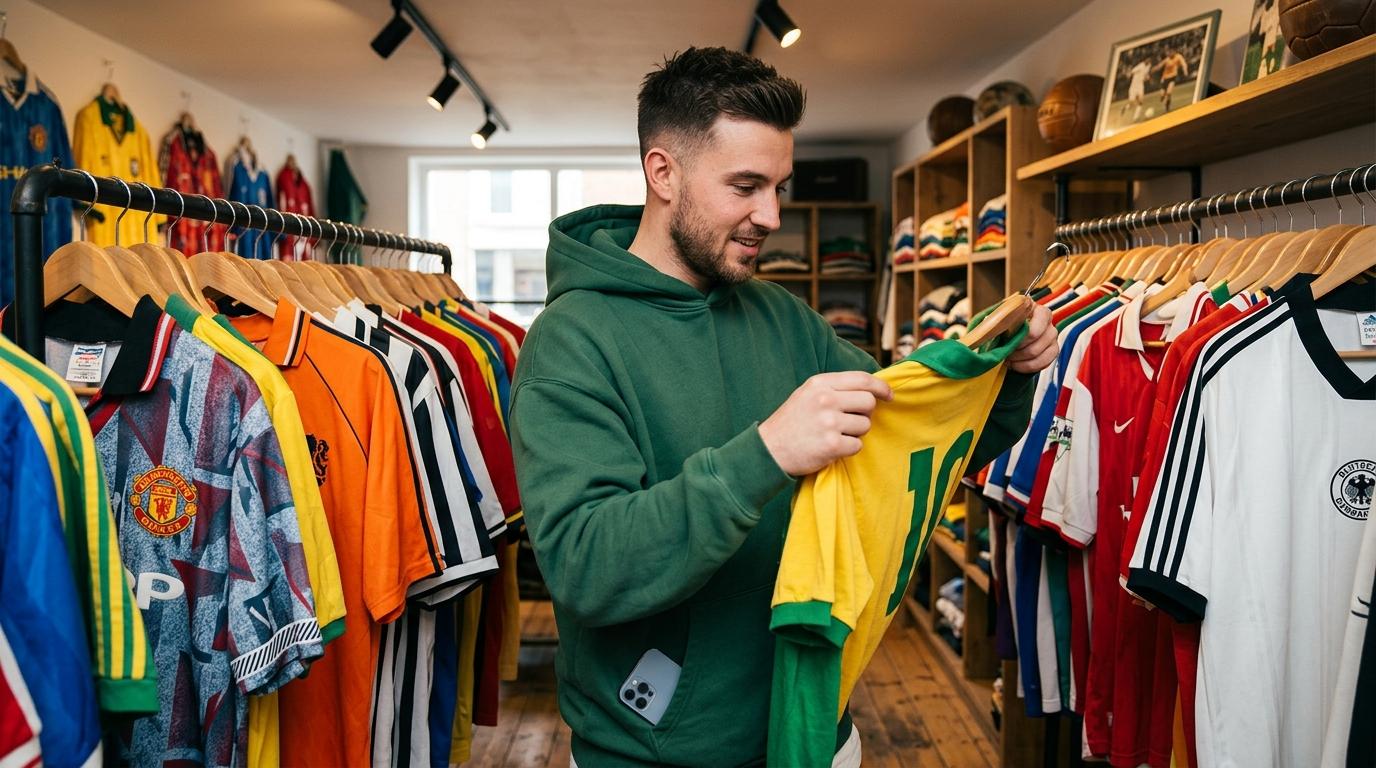
Starting a vintage football shirt collection in 2026 is not just about buying old jerseys, it is about building a personal archive of football history that reflects different eras, designs, and memories tied to the game. Many collectors begin casually, but over time they realize that vintage shirts carry a unique identity that modern kits often cannot replicate. The faded sponsors, old-school collars, and classic club badges all tell a story of football’s past. If you are planning to start your collection this year, the key is to be patient, selective, and informed rather than rushing into purchases that may not hold long-term value. One platform where collectors often find curated and reliable pieces is ShowBoat, which brings together football shirts that appeal to both beginners and experienced collectors.
Understanding What “Vintage” Really Means
In football shirt collecting, “vintage” usually refers to shirts that are at least 10–20 years old, often from the 1980s, 1990s, and early 2000s. However, age alone does not define value. A shirt becomes truly vintage in the collector’s world when it represents a specific football moment, such as a championship-winning season or a legendary player’s peak years. Some shirts from smaller clubs may also become valuable if they are rare or had limited production. Understanding this helps you avoid thinking that every old shirt is automatically worth collecting.
Choosing Your Collection Focus Early
One of the biggest mistakes beginners make is buying random shirts without a clear direction. A focused collection is always stronger and more meaningful. You can choose to collect shirts from a specific club, such as Manchester United or Barcelona, or focus on a national team like Brazil or Italy. Some collectors prefer certain eras, such as 90s Serie A shirts or early Premier League kits. Others focus on players like Zidane, Ronaldo, or Beckham. When you narrow your focus, your collection starts to feel more organized and personal instead of scattered.
Where to Find Vintage Football Shirts in 2026
Finding vintage shirts today is easier than it was a decade ago, but it also comes with risks. Online marketplaces, second-hand sports stores, auction websites, and dedicated football shirt platforms are the most common sources. Social media groups and collector communities also play a big role in trading and selling shirts. The challenge is authenticity and condition, so you need to carefully check seller reviews, detailed photos, and product descriptions before buying. Physical vintage shops are still valuable because you can inspect the shirt in hand, but they may have limited stock compared to online platforms.
How to Check Authenticity Before Buying
Authenticity is one of the most important aspects of vintage collecting. Fake shirts are common, especially for popular clubs and iconic designs. To avoid mistakes, always check the manufacturer tags, stitching quality, and logo placement. Original shirts usually have consistent stitching and high-quality fabric compared to replicas. Also pay attention to sponsor printing, as older shirts often used specific printing styles that are hard to perfectly replicate. If a deal looks too cheap compared to market value, it usually deserves extra caution.
Understanding the Value of Vintage Shirts
The value of vintage football shirts depends on several factors, not just age. Rarity is one of the biggest drivers, especially for limited edition kits or short-season designs. Historical importance also plays a major role, such as shirts worn during World Cup tournaments or league-winning seasons. Player association can significantly increase value if a shirt is linked to a famous footballer. Condition is equally important because even rare shirts lose value if they are heavily damaged or faded beyond recognition.
Caring for Vintage Shirts Properly
Once you start collecting, proper care becomes essential to preserve the condition of your shirts. Vintage fabrics are often more delicate than modern materials, so they need gentle washing and careful storage. Always wash shirts at low temperatures and avoid harsh chemicals that can damage prints. Never iron directly on logos or sponsors. For storage, it is better to keep shirts in a dry, cool place away from direct sunlight to prevent fading. Some collectors also use garment bags or frames to preserve rare pieces.
Building a Collection That Grows in Value
A strong vintage collection grows slowly over time. Instead of buying many shirts at once, focus on selecting meaningful pieces that fit your theme. As you gain experience, you will start recognizing which shirts are likely to become more valuable in the future. Trends in football culture also affect demand, especially when old designs return in popularity through modern retro releases. Keeping an eye on these trends helps you make smarter decisions.
Final Thoughts
Starting a vintage football shirt collection in 2026 is about patience, learning, and personal taste. The more you understand the history behind each shirt, the more meaningful your collection becomes. Whether you are collecting for nostalgia, style, or long-term value, building it step by step will always give better results than rushing into random purchases.

 عربي
عربي