


 SPARK Website
Bacterial vs. Fungal Infection – Which Is More Common?
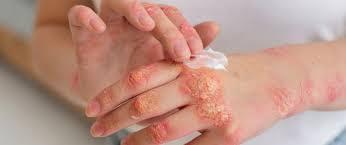
Bacterial vs. Fungal Infection – Which Is More Common?
Infections are among the most common health problems affecting people worldwide. They can develop due to bacteria, fungi, viruses, or parasites. Among these, bacterial and fungal infections are frequently diagnosed because they can easily affect the skin, respiratory system, digestive tract, and other body parts. Although both conditions may appear similar in the beginning, they differ in their causes, symptoms, spread, and treatment methods. Understanding the difference between bacterial and fungal infections helps people choose the right medical care and avoid complications.
What Is a Bacterial Infection?
A bacterial infection occurs when harmful bacteria enter the body and multiply rapidly. Bacteria are microscopic organisms found almost everywhere, including air, water, food, and surfaces. While some bacteria are beneficial for digestion and immunity, harmful bacteria can cause illness when they invade the body.
Common bacterial infections include:
- Urinary tract infections (UTIs)
- Pneumonia
- Sinus infections
- Food poisoning
Symptoms of bacterial infections may include:
- Fever
- Swelling
- Pain or inflammation
- Fatigue
What Is a Fungal Infection?
A fungal infection is caused by fungi such as yeast or mold. Fungi grow best in warm, moist, and humid environments. These infections commonly affect the skin, scalp, nails, mouth, and genital areas. Although many fungal infections are mild, some can become severe if left untreated or if the person has a weakened immune system.
Common fungal infections include:
- Ringworm
- Next
- Nail fungus
- Oral thrush
- Vaginal ye
Typical symptoms of fungal infections include:
- Itching
- Redness
- Burning sensation
- Skin peeling or cracking
- Discoloration of nails or skin
Doctors often recommend antifungal medications such as itraconazole 200 capsules for moderate to severe fungal infections because they help stop fungal growth and prevent the infection from spreading.
Which Infection Is More Common?
Bacterial infections are generally more common than fungal infections worldwide. This is mainly because bacteria can spread easily through contaminated food, water, air, and direct contact. Everyday illnesses such as throat infections, food poisoning, and urinary tract infections are mostly bacterial.
Key Differences Between Bacterial and Fungal Infections
Although bacterial and fungal infections can sometimes produce similar symptoms, there are several important differences between them.
| Feature | Bacterial Infection | Fungal Infection |
|---|---|---|
| Cause | Harmful bacteria | Fungi or yeast |
| Spread | Often spreads quickly | Use |
| Commonly Affected Areas | Lungs, throat, urinary tract | Skin, nails, scalp |
| Symptoms | Fever, pain, swelling | Itching, redness, irritation |
| Treatment | Antibiotics | Antifungal |
Using the correct medication is extremely important. Antibiotics do not work against fungal infections, while antifungal medicines cannot effectively treat bacterial infections. Misusing medications may worsen symptoms or increase resistance to treatment.
How Are These Infections Diagnosed?
Doctors diagnose bacterial and fungal infections through physical examination and laboratory testing. Depending on the symptoms, they may collect blood, urine, skin scrapings, or mucus samples to identify the exact cause of the infection.
Accurate diagnosis is important because many infections may look similar at first. For example, a fungal skin rash may sometimes resemble a bacterial skin infection. After proper diagnosis, healthcare providers may prescribe medications such as metronidazole 400mg tablets for bacterial infections or itraconazole 200 capsules for fungal conditions.
Prevention Tips for Bacterial and Fungal Infections
Good hygiene and healthy lifestyle habits can help reduce the risk of both bacterial and fungal infections.
Ways to prevent infections include:
- Wash hands regularly
- Keep skin clean and dry
- Avoid sharing towels or personal items
- Wear breathable cotton clothing
- Maintain a healthy immune system
- Avoid unnecessary antibiotic use
- Change sweaty clothes quickly
- Follow a balanced diet and stay hydrated
People with diabetes or weakened immunity should take extra precautions because they are more vulnerable to recurring infections.
Conclusion
Bacterial and fungal infections are both common health concerns, but bacterial infections are generally more widespread worldwide. Bacterial infections tend to spread faster and may affect internal organs, while fungal infections are more commonly seen on the skin, nails, and moist areas of the body. Early diagnosis and proper treatment are essential to avoid complications and ensure faster recovery.

 عربي
عربي