


 SPARK Website
Cross Roller Bearing Failures? Stop Costly Downtime Fast
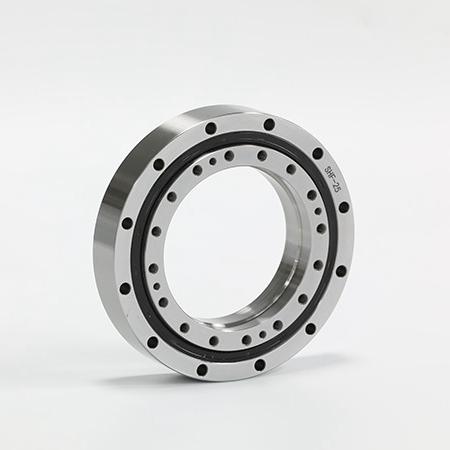
Unexpected equipment failure is one of the biggest operational challenges in industrial manufacturing. A single bearing issue can stop production lines, reduce precision, damage connected machinery, and increase maintenance expenses. Many companies experience repeated failures because they use incorrect bearing configurations or low-quality components that cannot handle demanding industrial conditions.
Cross roller bearing systems are designed to provide high rigidity, precise rotational accuracy, and stable load handling in compact industrial equipment. These bearings are commonly used in robotics, CNC machinery, medical systems, automation equipment, and rotary tables where precision and reliability are critical.
For manufacturers operating high-precision machinery, bearing performance directly impacts productivity, operational stability, and long-term maintenance costs. This guide explains the most common cross roller bearing problems and how businesses can improve machine reliability while reducing costly downtime.
Why Bearing Failure Creates Expensive Industrial Problems
Industrial machinery operates continuously under vibration, pressure, contamination, and temperature fluctuations. When a bearing fails, the problem often spreads to nearby components such as shafts, motors, housings, and drive systems.
Common problems caused by poor bearing performance include:
- Unexpected production shutdowns
- Reduced machine precision
- Higher maintenance expenses
- Increased vibration and noise
- Premature equipment wear
- Lower operational efficiency
- Delayed production schedules
For B2B manufacturers, downtime directly affects profitability. In automated production environments, even short interruptions can create major financial losses.
What Makes Cross Roller Bearings Different
Cross roller bearings use cylindrical rollers positioned at right angles between inner and outer rings. This design allows a single bearing to support radial loads, axial loads, and moment loads simultaneously.
Compared to traditional bearing systems, cross roller bearings offer:
- High rotational accuracy
- Excellent rigidity
- Compact design efficiency
- Better load distribution
- Reduced friction and vibration
- Stable motion control
These features make them ideal for applications requiring high precision and smooth movement.
Common Causes of Cross Roller Bearing Failure
Many companies replace bearings repeatedly without identifying the actual cause of failure. Understanding the root problem helps improve long-term machine reliability.
1. Improper Load Selection
Using a bearing that cannot support operational loads creates stress concentration and surface fatigue. Incorrect sizing often leads to premature failure.
2. Poor Lubrication Practices
Insufficient lubrication increases friction and internal heat. Contaminated lubricants also damage roller surfaces and raceways over time.
3. Installation Misalignment
Improper installation creates uneven load distribution inside the bearing assembly. This reduces precision and increases vibration levels.
4. Contamination Exposure
Dust, moisture, metal particles, and chemicals entering the bearing system accelerate wear and reduce operational lifespan.
5. Excessive Speed or Temperature
High-speed operations combined with excessive heat can weaken lubrication performance and increase bearing fatigue.
How Cross Roller Bearings Reduce Downtime
High-quality cross roller bearing solutions improve operational efficiency and reduce unexpected maintenance interruptions.
Superior Rotational Precision
Precision machinery requires accurate rotational movement with minimal deviation. Cross roller bearings maintain stable motion control even under combined loading conditions.
Industries that benefit include:
- Robotics
- CNC machining
- Semiconductor manufacturing
- Medical equipment
- Industrial automation systems
Improved precision helps manufacturers maintain consistent production quality.
Better Load Handling Capacity
Cross roller bearings distribute loads evenly across multiple rollers. This reduces localized stress and improves operational stability.
Balanced load distribution helps businesses:
- Reduce bearing wear
- Extend machine lifespan
- Lower replacement frequency
- Improve equipment reliability
Efficient load handling is especially important in high-precision automation systems.
Increased Structural Rigidity
Machine vibration and deflection reduce manufacturing accuracy. Cross roller bearings provide high rigidity, helping maintain stable positioning under heavy loads.
Higher rigidity improves:
- Motion control accuracy
- Cutting precision
- Robotic positioning stability
- Automated system performance
This directly supports higher production consistency.
Compact Design Advantages
Industrial equipment manufacturers often require compact mechanical systems without sacrificing performance. Cross roller bearings combine high load capacity with space-saving design efficiency.
Compact bearing systems help businesses:
- Optimize machine layouts
- Reduce component weight
- Improve system integration
- Increase design flexibility
These advantages are valuable in robotics and automated machinery.
Industries That Use Cross Roller Bearings
Cross roller bearings are widely used in industries that depend on precision, rigidity, and reliable motion control.
Robotics Industry
Robotic arms and automation systems require smooth rotational accuracy with stable positioning. Cross roller bearings improve robotic performance and reliability.
CNC Machinery
High-precision machining systems depend on rigid bearing support for accurate cutting operations and vibration reduction.
Medical Equipment
Medical imaging and diagnostic systems require smooth motion with minimal operational noise and high positional accuracy.
Semiconductor Manufacturing
Semiconductor equipment demands extreme precision and stable movement for delicate manufacturing processes.
Aerospace and Defense Systems
Advanced aerospace systems require compact bearing solutions capable of handling complex loading conditions with high reliability.
Best Practices to Extend Bearing Life
Even premium bearings require proper maintenance to maximize operational performance.
Follow these industrial maintenance recommendations:
- Use proper lubrication intervals
- Monitor vibration and operating temperature
- Prevent contamination exposure
- Ensure accurate installation procedures
- Avoid excessive loading conditions
- Inspect seals regularly
- Train maintenance staff on handling procedures
Preventive maintenance significantly reduces unexpected failures and improves bearing lifespan.
Conclusion
Bearing failure remains a major cause of industrial downtime, equipment instability, and rising maintenance costs. Many operational problems result from poor bearing selection, contamination, improper installation, and excessive loading conditions.
Cross roller bearing solutions help manufacturers improve rotational accuracy, structural rigidity, load stability, and machine efficiency. Businesses that invest in reliable bearing systems experience fewer production interruptions, lower maintenance costs, and longer equipment lifespan.
For industrial companies focused on operational reliability and precision manufacturing, selecting the right cross roller bearing solution is a critical investment in long-term productivity and business performance.

 English