


 SPARK Website
Understanding the Hair Transplant Process in Riyadh
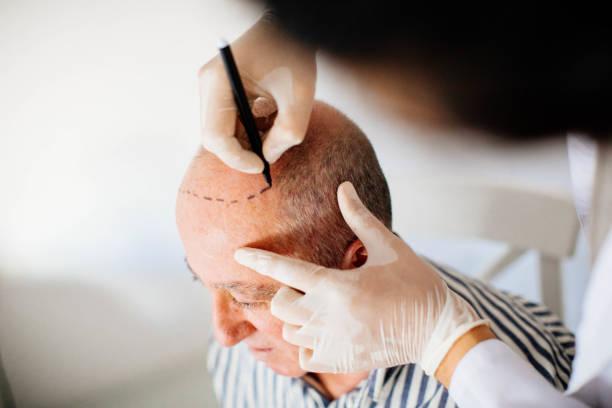
Hair loss can affect confidence and self-image for many individuals, leading them to seek effective and long-lasting restoration options. One of the most popular solutions today is Hair Transplant in Riyadh, a procedure designed to restore natural hair growth while enhancing overall appearance. Riyadh has become a preferred destination for individuals looking for advanced hair restoration techniques, modern facilities, and personalized treatment approaches tailored to different hair concerns.
When researching treatment options, many people also search for the Cost of Hair Transplant in Saudi Arabia to better understand the overall process and expectations. However, beyond financial considerations, understanding how the procedure works, what preparation is required, and what results to expect can help individuals make informed decisions. Knowing each stage of the transplant journey can reduce uncertainty and provide clarity before undergoing treatment.
What Is a Hair Transplant Procedure?
A hair transplant is a cosmetic procedure that involves transferring healthy hair follicles from one area of the scalp, commonly referred to as the donor area, to regions experiencing thinning or baldness. The goal is to create natural-looking hair growth that blends seamlessly with existing hair. Since transplanted follicles are usually resistant to hair loss, the results often provide long-term improvement in hair density and appearance.
The process is suitable for individuals facing hair thinning, pattern baldness, or hairline recession. It may also be considered for those experiencing hair loss due to scarring or other conditions affecting scalp coverage.
Why Riyadh Is a Popular Destination for Hair Restoration
Riyadh has gained attention for offering modern aesthetic procedures supported by advanced technology and experienced specialists in hair restoration. Many individuals choose Hair Transplant in Riyadh because of the availability of customized treatment plans that focus on achieving natural-looking outcomes.
The city is also known for using innovative methods that reduce discomfort and improve recovery time. Patients often appreciate the professional consultation process, where scalp conditions, hair patterns, and restoration goals are carefully assessed before treatment begins.
Understanding the Hair Transplant Process
Initial Consultation and Hair Assessment
The first stage of the process involves a detailed consultation to evaluate the extent of hair loss and determine whether the procedure is suitable. During this assessment, scalp health, donor hair availability, and desired outcomes are carefully reviewed. A personalized treatment strategy is usually developed based on the individual's hair texture, density, and expectations.
This consultation phase is essential because it helps establish realistic outcomes and ensures the most effective restoration method is selected.
Preparation Before the Procedure
Before the transplant begins, patients are typically guided through preparation instructions to support optimal results. These recommendations may include maintaining scalp hygiene and avoiding activities or products that may interfere with the healing process.
Preparation also involves designing the hairline in a way that complements facial features, ensuring a balanced and natural appearance after the transplant.
Hair Follicle Extraction
The next step involves extracting healthy hair follicles from the donor area, usually located at the back or sides of the scalp. These follicles are carefully selected and preserved to maintain their strength and viability before transplantation.
Modern techniques focus on minimizing visible scarring while preserving the natural look of surrounding hair. Precision during this stage plays an important role in the final outcome.
Placement of Hair Follicles
Once extracted, the follicles are strategically implanted into areas affected by hair loss. The angle, direction, and density of placement are carefully planned to replicate natural hair growth patterns.
This stage requires significant attention to detail, as proper positioning helps create realistic and aesthetically pleasing results that blend naturally with existing hair.
Recovery and Healing Process
Following a Hair Transplant in Riyadh, patients typically experience a healing period where the scalp gradually recovers. Mild redness or temporary sensitivity may occur during the early stages, which is considered part of the normal healing process.
In the weeks following treatment, some transplanted hair may shed before new growth begins. This temporary phase is expected and often signals that healthier, stronger hair growth will eventually develop. Patience is important, as visible improvements may continue over several months.
Expected Results and Long-Term Benefits
Hair transplant procedures are designed to provide natural and long-lasting results. Since the transplanted follicles are generally resistant to common hair loss patterns, individuals can enjoy fuller and thicker hair over time.
Beyond physical appearance, many people report increased confidence and improved self-esteem after hair restoration. A successful procedure can contribute to a more youthful look while helping individuals feel more comfortable in their daily lives.
Who Is an Ideal Candidate for Hair Transplant?
Not everyone experiencing hair loss may be an immediate candidate for transplantation. Individuals with stable hair loss patterns and sufficient donor hair often achieve the best outcomes. A thorough evaluation helps determine whether the treatment aligns with specific hair restoration goals.
Understanding realistic expectations is also important, as successful outcomes depend on factors such as hair quality, scalp condition, and overall treatment suitability.
Frequently Asked Questions
Q: How long does the hair transplant process take?
A: The duration depends on the extent of hair loss and the number of grafts needed, but the procedure is generally completed within a single session or over multiple sessions if required.
Q: Is a hair transplant permanent?
A: Transplanted hair follicles are usually long-lasting because they are taken from areas resistant to hair loss.
Q: When can hair growth be seen after a transplant?
A: New hair growth generally begins gradually, with noticeable improvements appearing over several months.
Q: Does a hair transplant look natural?
A: Yes, modern techniques focus on natural placement, ensuring the hairline and density blend with existing hair.
Q: Can both men and women undergo hair transplant procedures?
A: Yes, both men and women experiencing suitable types of hair loss may benefit from treatment after professional evaluation.
Book Your Consultation
If you are considering advanced hair restoration and want a personalized treatment approach, schedule a consultation with Enfield Royal Clinic. Their dedicated team provides professional guidance to help you better understand your options and take the first step toward restoring confidence and achieving natural-looking hair results.

 عربي
عربي