In modern manufacturing, joining metal parts with speed, precision, and repeatability is essential for maintaining productivity and product quality. Among the most widely used joining technologies in mass production environments is the spot resistance welder. This equipment plays a critical role in automotive assembly, appliance manufacturing, electrical enclosures, battery production, and sheet metal fabrication.
As industries move toward automation and higher production efficiency, understanding how a spot resistance welder works and how to choose the right system becomes a strategic decision for OEMs, engineers, and production managers.
This guide explains the working principle, industrial applications, advantages, and selection criteria of spot resistance welding technology, and highlights how advanced solutions from Heron Welder help manufacturers achieve consistent, high-strength welds.
What Is a Spot Resistance Welder?
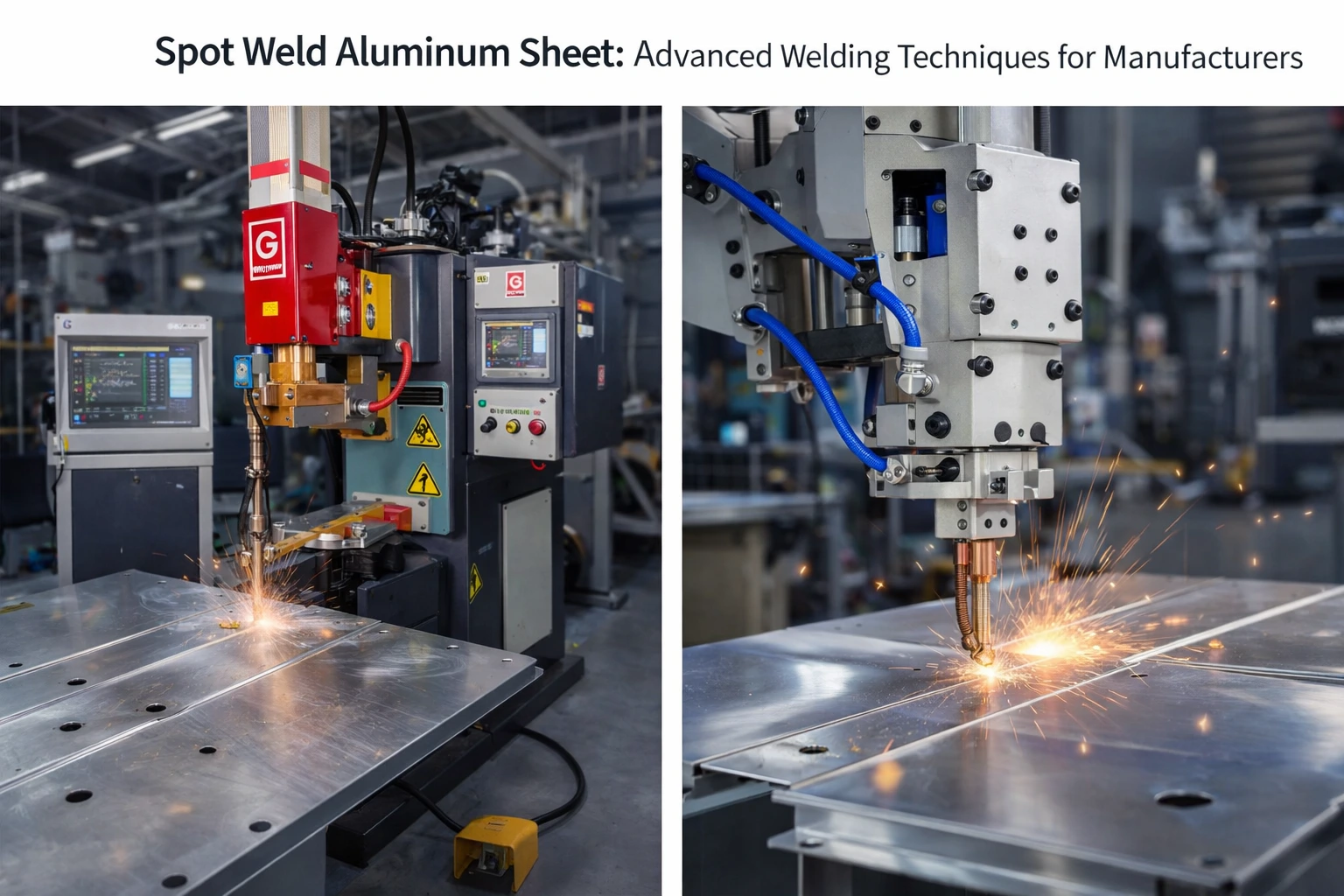
A spot resistance welder is a type of resistance welding machine used to join two or more overlapping metal sheets by applying heat generated from electrical resistance along with pressure.
Instead of using filler material or external heat sources, the process relies on:
- High electrical current
- Controlled electrode force
- Short weld time
The localized heat melts the metal at the contact point, forming a weld “nugget” that solidifies under pressure, creating a strong metallurgical bond.
This process is especially effective for conductive metals such as steel, stainless steel, aluminum (with advanced systems), and coated sheets used in industrial manufacturing.
How Spot Resistance Welding Works
The working cycle of a spot resistance welder can be broken down into four key stages:
1. Electrode Clamping
Two copper alloy electrodes press the metal sheets together with controlled force. This ensures proper electrical contact and alignment.
2. Current Application
A high electric current passes through the electrodes and the metal sheets. Due to electrical resistance at the interface, heat is generated rapidly.
3. Nugget Formation
The heat melts a small localized area between the sheets, forming a molten “weld nugget.”
4. Solidification Under Pressure
Once the current stops, pressure is maintained as the molten metal cools and solidifies, forming a strong joint.
This entire process typically takes milliseconds to seconds, making it highly suitable for high-speed production lines.
Key Components of a Spot Resistance Welder
A modern industrial spot resistance welder consists of several critical components:
Welding Transformer
Converts electrical input into low-voltage, high-current output required for welding.
Welding Electrodes
Typically made of copper alloys for high conductivity and durability.
Control System
Modern systems use MFDC (Medium Frequency Direct Current) controllers for precise energy control and repeatability.
Pneumatic or Servo Force System
Ensures consistent electrode pressure during welding cycles.
Cooling System
Maintains electrode and transformer temperature stability for continuous operation.
Industrial Applications of Spot Resistance Welding
Spot resistance welders are widely used across multiple industries due to their speed and reliability.
Automotive Manufacturing
Used extensively for body-in-white assembly, including doors, panels, and structural frames.
Home Appliances
Washing machines, refrigerators, ovens, and HVAC units rely on spot welding for sheet metal assembly.
Electrical & Battery Industry
Battery tabs, busbars, and enclosures require precise and low-distortion welding.
Metal Fabrication
Enclosures, cabinets, racks, and industrial equipment frames.
Aerospace and Transport
Lightweight structures requiring high-strength joints without additional fasteners.
Advantages of Spot Resistance Welding
Spot welding remains one of the most preferred industrial joining methods due to its multiple benefits:
High Production Speed
Welds are completed in seconds, ideal for mass production environments.
Cost Efficiency
No filler materials or consumables are required, reducing operational costs.
Automation Compatibility
Easily integrated into robotic and automated production lines.
Strong and Reliable Joints
Produces consistent metallurgical bonds with high mechanical strength.
Clean Process
No smoke, flame, or harmful emissions compared to traditional welding methods.
Spot Resistance Welder vs Other Welding Methods
Understanding how spot resistance welding compares with other methods helps manufacturers choose the right solution.
Spot Welding vs MIG Welding
- MIG uses filler wire and gas shielding
- Spot welding is faster and cleaner for sheet metals
- MIG is better for thicker materials or structural welding
Spot Welding vs Laser Welding
- Laser offers higher precision but higher cost
- Spot welding is more economical for mass production
- Laser requires more maintenance and safety controls
Spot Welding vs Riveting or Fastening
- Spot welding creates permanent joints without additional hardware
- Reduces assembly time and material cost
- Improves structural integrity in thin sheet applications
Types of Spot Resistance Welders
Modern industrial systems come in different configurations:
MFDC Spot Welders
Medium Frequency Direct Current systems offer:
- Higher energy efficiency
- Better control of weld quality
- Reduced transformer size
Capacitor Discharge Welders
Ideal for:
- Thin sheet metals
- Electronics and precision applications
Pneumatic Spot Welders
Common in general fabrication shops for medium-duty applications.
Robotic Spot Welding Systems
Fully automated systems used in automotive and high-volume production.
Challenges in Spot Welding Applications
While highly effective, spot resistance welding requires careful control to avoid defects:
Electrode Wear
Continuous use can degrade electrode tips, affecting weld quality.
Inconsistent Weld Quality
Improper current or pressure settings can lead to weak joints.
Material Variability
Different coatings or alloys require parameter adjustments.
Heat Management
Poor cooling systems can reduce equipment lifespan.
How Heron Welder Enhances Spot Resistance Welding Performance
Heron Welder is a global manufacturer specializing in advanced resistance welding and metal-joining technologies, offering industrial-grade solutions designed for high-performance manufacturing environments.
Heron’s spot resistance welder systems are engineered with a focus on:
Precision Welding Control
Advanced MFDC control systems ensure stable current output and consistent weld quality across long production cycles.
Automation Integration
Designed for seamless integration into robotic welding lines and smart factories.
High Durability Design
Industrial-grade transformers, electrodes, and cooling systems ensure long service life under continuous operation.
Application Flexibility
Suitable for automotive, appliance, electrical, and heavy fabrication industries.
Energy Efficiency
Optimized power systems reduce energy consumption while maintaining high welding performance.
For OEMs and manufacturers, this translates into lower downtime, improved productivity, and reduced production costs.
Best Practices for Spot Resistance Welding
To achieve optimal results, manufacturers should follow these guidelines:
Maintain Proper Electrode Condition
Regular dressing or replacement ensures consistent weld quality.
Optimize Welding Parameters
Adjust current, time, and pressure based on material type and thickness.
Ensure Proper Surface Preparation
Clean surfaces improve electrical conductivity and weld strength.
Use Cooling Systems Effectively
Maintain stable temperature to avoid electrode deformation.
Implement Regular Machine Calibration
Ensures long-term accuracy and performance stability.
Future of Spot Resistance Welding in Smart Manufacturing
With the rise of Industry 4.0, spot resistance welding is evolving into a more intelligent and automated process. Future systems will increasingly include:
- Real-time weld monitoring
- AI-based quality control
- Predictive maintenance systems
- Fully integrated robotic welding cells
Manufacturers adopting advanced welding technologies today will gain a competitive advantage in efficiency, quality, and scalability.
Frequently Asked Questions (FAQs)
1. What materials can a spot resistance welder join?
Spot welders are commonly used for low-carbon steel, stainless steel, galvanized sheets, and in some cases aluminum with advanced MFDC systems.
2. Is spot welding strong enough for structural applications?
Yes, when properly controlled, spot welding provides strong, durable joints suitable for automotive and industrial structures.
3. What industries use spot resistance welding the most?
The automotive, appliance, electrical, battery, and metal fabrication industries are the largest users.
4. How long does a spot weld take?
Most spot welds are completed within milliseconds to a few seconds depending on material thickness.
5. Can spot welding be automated?
Yes, modern spot resistance welders are widely integrated into robotic and automated production systems.
Conclusion
The spot resistance welder remains one of the most efficient, reliable, and cost-effective metal joining technologies in industrial manufacturing. Its ability to deliver fast, repeatable, and strong welds makes it indispensable for high-volume production environments.
However, achieving optimal performance requires advanced equipment, precise control systems, and application-specific engineering.
Heron Welder provides cutting-edge resistance welding solutions designed for modern factories that demand precision, durability, and automation readiness. Whether you are upgrading existing production lines or developing new automated welding systems, Heron offers customized solutions tailored to your manufacturing needs.
Contact Heron Welder to request a consultation or quotation and explore advanced spot welding solutions for your production line.



 SPARK Website

 English