


 SPARK Website
Why Solar-Powered Smart Bins Are Shaping Future Recycling
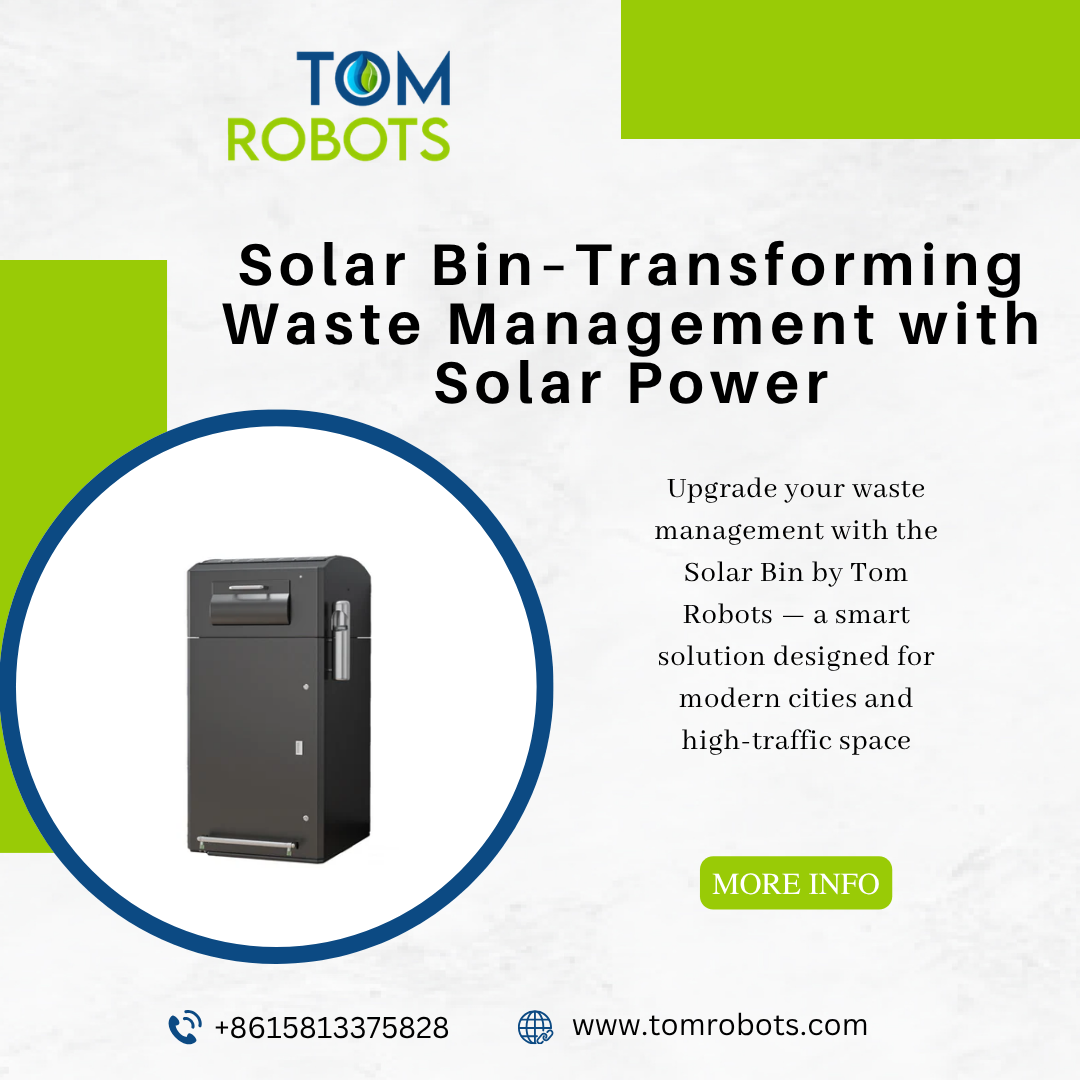
Most people only notice public trash bins once they start overflowing. Plastic bottles pile up, takeaway cups get left nearby, and suddenly the whole area starts looking messy within a few hours.
That happens a lot in busy cities because older waste systems were never designed for the amount of packaging people throw away daily now.
That is why smarter recycling systems are becoming more common in public spaces. A modern smart solar waste bin helps reduce overflow, tracks waste levels automatically, and makes collection more efficient without needing constant attention.
And honestly, that quiet efficiency is exactly why these systems are spreading so quickly.
Overflowing Bins Affect More Than Just Appearance
People usually treat overflowing bins like a simple cleaning issue. But once public trash starts collecting outside containers, bigger problems follow surprisingly fast. Wind spreads lightweight plastic nearby. Animals pull waste out overnight. Pedestrian areas start looking neglected. Eventually people stop bothering to use the bin properly because the area already feels messy.
You can watch this happen almost anywhere with heavy foot traffic. One crowded bus stop near my cousin’s office had this exact issue constantly. Every evening, bottles and snack wrappers ended up scattered around the area because the bins filled too quickly during the day. Then new compacting bins got installed there quietly one month, and the difference became obvious within weeks.
The area simply stayed cleaner longer. Nobody really talked about the technology itself. People just noticed fewer overflowing piles around the benches anymore.
Solar Power Makes the System Easier to Manage
A lot of people hear “smart bin” and immediately imagine complicated infrastructure or huge electricity costs. The reality is usually much simpler.
Solar-powered systems work well because they operate independently most of the time. Sunlight powers internal compactors, sensors, and monitoring systems without requiring major electrical setup underneath public streets. That flexibility matters more than it sounds.
Cities can install them in:
-
parks
-
transport stations
-
shopping streets
-
beaches
-
public walkways
-
outdoor event areas
Once placed properly, the bins mostly manage themselves quietly.
A city maintenance worker once described them perfectly during an interview. He said the biggest advantage was not that the bins looked modern — it was that collection teams stopped wasting time driving to half-empty bins unnecessarily. That practical side is a huge reason adoption keeps increasing.
Compaction Changes Everything
This is probably the part people underestimate most. Plastic bottles take up ridiculous amounts of space for how lightweight they are. Traditional bins fill quickly because empty containers trap air and waste huge amounts of room inside the bin itself.
A smart solar waste bin compresses materials internally, which means one container can hold far more recyclable waste before collection becomes necessary.
That small change solves multiple problems at once:
-
fewer overflowing bins
-
fewer truck collection trips
-
lower fuel use
-
cleaner public spaces
-
less scattered plastic waste
And honestly, many city waste problems are more about volume than people realize.
Cleaner Areas Usually Create Better Habits
People copy the environment around them more than they admit. If public spaces already look dirty, littering spreads faster because individuals stop feeling responsible. But cleaner spaces quietly encourage cleaner behavior too.
You notice this especially near organized recycling stations. I saw this happen near a riverside walking area where plastic bottles used to collect around benches every weekend. After smart recycling bins were installed, the area gradually started staying cleaner because people actually used the bins consistently instead of dropping bottles nearby.
The interesting part is that nobody really needed instructions. Once the area looked maintained properly, people naturally treated it better.
Collection Teams Work More Efficiently
Older waste collection systems relied heavily on fixed schedules. Trucks visited the same locations whether bins were full, nearly empty, or overflowing completely. That wasted time constantly. Fuel costs increased. Workers spent unnecessary hours servicing areas that did not even need immediate collection.
Smarter systems changed that process quietly. Most modern bins track waste levels automatically and notify collection teams once capacity gets high enough. That means routes become more efficient because workers focus on locations that actually need service first.
A well-designed smart solar waste bin helps cities reduce unnecessary collection trips without reducing cleaning standards in public areas. And honestly, efficiency matters more now because urban waste keeps growing every year.
Recycling Works Better When Sorting Starts Early
A lot of recyclable plastic never actually gets recycled properly because contamination happens too early. Food waste mixes with bottles. General trash gets dumped into recycling bins carelessly. Public collection points become overloaded and messy before sorting even begins.
That creates expensive problems later at recycling facilities. This is partly why automated recycling machines are becoming more common in public areas. They help separate recyclable materials earlier instead of depending entirely on manual sorting later in the process.
The cleaner materials stay from the beginning, the easier recycling becomes afterwards. That sounds simple, but it makes a huge difference operationally.
Public Recycling Feels More Visible Now
Traditional recycling always felt strangely invisible. People threw bottles away and rarely thought about what happened next. Smart systems changed that because the process feels more interactive now. Bottles get compacted visibly. Fill indicators update automatically. Recycling stations look active instead of forgotten.
That visibility matters psychologically. One teenager at a local event once stood watching bottles compress inside a recycling unit for several minutes like it was some kind of science display. Funny moment, honestly. But it also showed something important: people pay more attention once recycling becomes visible instead of being hidden away quietly in overflowing bins.
The rise of automated recycling machines is partly changing recycling behavior simply because the systems feel more engaging and obvious during daily routines.
Future Cities Cannot Rely on Older Waste Systems Forever
Cities produce far more waste now than older collection systems were designed to manage efficiently. Online delivery packaging alone changed public waste patterns dramatically over the last decade. Add bottled drinks, takeaway food, tourism, and crowded public spaces, and traditional bins start struggling very quickly.
Smarter systems are not some magical solution fixing every environmental issue overnight obviously. But they are helping cities manage recycling more realistically before waste problems become even harder to control later.
A modern smart solar waste bin improves collection, reduces overflow, keeps public spaces cleaner, and supports better recycling habits without demanding huge behavioral changes from ordinary people first.
And honestly, systems that quietly improve daily habits usually end up lasting longer than systems relying entirely on public motivation alone.
Final Thoughts
The future of recycling probably depends less on dramatic inventions and more on practical systems people actually use consistently every day.
Solar-powered smart bins work because they simplify waste collection instead of complicating it further. They reduce overflowing trash, improve recycling organization, and help public spaces stay cleaner with less wasted effort overall.
Most people may never stop and think about the technology inside these bins specifically.
But they absolutely notice:
-
cleaner streets
-
fewer overflowing containers
-
less scattered plastic waste
-
more organized recycling areas
-
public spaces that feel easier to maintain
And sometimes the most effective environmental solutions are the ones quietly working in the background while everyday life continues around them.

 English