


 SPARK Website
Mastering Subsurface Exploration: A Guide to Advanced Detection Systems
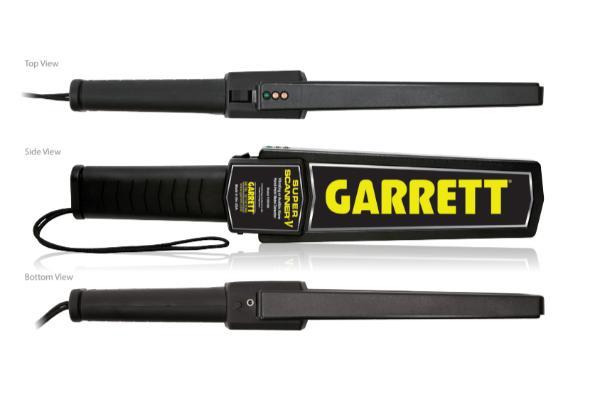
The pursuit of historical artifacts and buried wealth has evolved from a simple pastime into a highly technical discipline. For modern explorers, the journey begins with selecting a high-performance metal detector that can navigate the complexities of varying soil compositions. These devices represent the pinnacle of electromagnetic engineering, allowing users to scan vast terrains with a level of accuracy that was previously impossible. By utilizing advanced sensors, both hobbyists and professionals can identify hidden targets, ranging from ancient coins to industrial components, while effectively ignoring non-valuable metallic clutter.
The Engineering of Precision Sensing
At the heart of modern detection technology is the search coil, which acts as the primary interface between the user and the underground environment. When the coil transmits a magnetic field into the earth, any metallic object in its path creates a secondary field that the device identifies and processes. Today’s most advanced systems employ multi-frequency technology, which allows the machine to analyze a target using several frequencies simultaneously. This ensures that the device remains stable in mineralized ground while maintaining extreme sensitivity to small, deep-seated objects.
Enhancing Field Productivity through Discrimination
One of the most critical features for any serious explorer is the ability to discriminate between different types of metal. Modern circuitry allows operators to set digital "notches" that filter out signals from common trash items like iron nails, pull-tabs, or foil. This high-resolution discrimination ensures that your effort is spent only on recovering targets with high conductivity, such as silver, copper, and bronze. This targeted approach significantly improves field efficiency, allowing you to cover more ground and secure more valuable finds in a single outing.
specialized Technology for Precious Metal Prospecting
While general-purpose scanners are effective for relics and jewelry, the search for natural deposits requires a different level of sophistication. Investing in a professional gold detector machine is essential for those operating in the rugged, mineral-heavy environments where precious metals are typically found. These machines are specifically tuned to handle high ground mineralization and can detect microscopic particles that standard detectors would miss. Their specialized pulse induction and high-frequency capabilities make them the preferred choice for prospectors working in desert regions or historical mining sites.
Ergonomic Design and Environmental Durability
To ensure success during long expeditions, modern equipment is designed with a focus on ergonomics and durability. Lightweight materials such as carbon fiber are used to minimize arm strain, while adjustable shafts allow for a custom fit for any user. Furthermore, many units are now built with fully submersible housings, enabling explorers to move seamlessly from riverbanks into deep water. This environmental versatility ensures that your equipment can perform in rain, mud, or surf without compromising the sensitive electronic components housed within the control box.
Essential Features for Professional Results
When evaluating professional-grade detection tools, certain features are non-negotiable for achieving the best possible results:
-
Automatic Ground Balancing: Calibrates the device to the specific soil chemistry of your location to prevent false signals.
-
Target Depth Visualization: Provides a real-time estimate of how deep a target is buried before you begin to dig.
-
High-Resolution Audio: Delivers distinct tones for different metal types, allowing the user to identify targets by ear.
-
Backlit Digital Interfaces: Ensures that the device remains easy to read during low-light conditions or early morning hunts.
Strategic Research and Site Selection
The best equipment in the world is only as effective as the research behind its use. Successful recovery specialists spend significant time analyzing historical maps, geological surveys, and old property records to find areas with a high probability of containing lost items. Once a site is identified, a methodical grid-search pattern is used to ensure every square inch of the ground is surveyed. This combination of historical knowledge and technical proficiency is what separates the average hobbyist from the expert.
Navigating Challenging Ground Conditions
Explorers often encounter "difficult" ground, such as salt-heavy beaches or iron-rich mountain soil. Advanced detectors address these challenges through sophisticated software algorithms that filter out environmental noise. This allows the machine to maintain its depth and sensitivity even when the ground is working against it. By adjusting sensitivity levels and ground tracking settings, users can maintain a clear signal, ensuring that no valuable target is lost among the natural mineral interference.
The Future of Remote Sensing and 3D Mapping
We are currently seeing a transition toward integrated geophysical systems that offer more than just a simple alert. Some of the latest hardware includes 3D ground-mapping capabilities, which allow the user to see a digital silhouette of the buried object on their screen. This technology helps determine the size and orientation of a find, reducing the time spent on excavation and minimizing the impact on the landscape. As artificial intelligence continues to integrate with these sensors, the accuracy of target identification will only continue to improve.
Versatility and Modular Configurations
The versatility of modern detection hardware means that a single investment can serve multiple purposes. By utilizing modular search coils of different sizes, a user can adapt their machine for various tasks—using a large coil for maximum depth in open fields or a small "sniper" coil for navigating through heavy trash or tight rocky crevices. This adaptability makes high-end equipment a long-term asset for anyone dedicated to the craft of subsurface discovery.
Ethical Standards in Recovery
Responsible exploration is a cornerstone of the community. This includes following a strict code of ethics, such as obtaining explicit permission before entering any land and practicing "leave no trace" excavation techniques. By carefully cutting small plugs of earth and replacing them precisely, explorers ensure that the ground remains undisturbed. This commitment to stewardship preserves the environment and ensures that the pursuit of history remains a respected and sustainable activity for years to come.
Conclusion: The Path to Discovery
The world beneath us is a hidden archive of human history and natural wonder. Equipped with a modern understanding of geophysical science and the right technical tools, these secrets are waiting to be uncovered. The continuous advancement in detection technology ensures that the tools available today are more powerful, intuitive, and efficient than ever before. For those with the patience to learn the nuances of their equipment and the dedication to research their locations, every signal represents an exciting opportunity to bridge the gap between the present and the past.

 English