


 SPARK Website
Balasana Yoga Pose: A Complete Guide to Benefits, Steps, and Mind-Body Healing
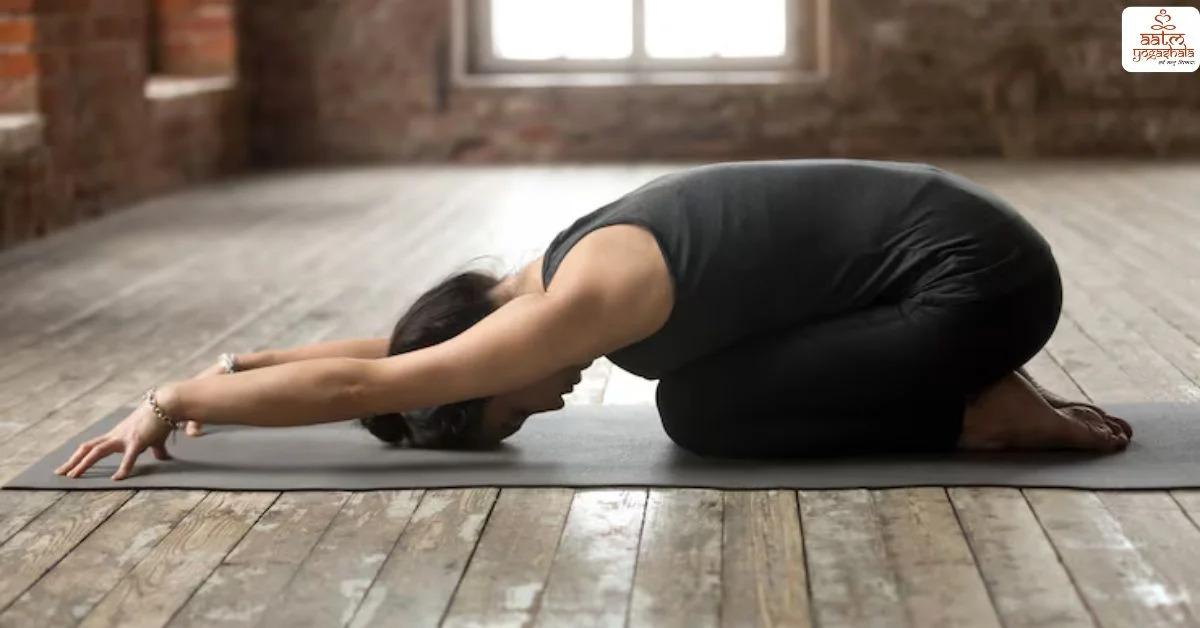
Yoga is more than just physical exercise; it is a holistic journey toward mental peace, emotional balance, and physical well-being. Among the many restorative yoga postures practiced around the world, the balasana yoga pose stands out as one of the most calming and healing poses. Commonly known as Child’s Pose, Balasana is a beginner-friendly posture that provides deep relaxation while gently stretching the body.
Whether you are a beginner exploring yoga for the first time or an experienced yogi seeking recovery and mindfulness, the balasana yoga pose can become an essential part of your daily routine. This pose offers a unique combination of comfort, grounding, and therapeutic benefits that make it suitable for people of all ages.
In this comprehensive guide, you will learn everything about the balasana yoga pose, including its meaning, benefits, step-by-step instructions, precautions, modifications, and why it is considered one of the most restorative yoga postures.
What Is Balasana Yoga Pose?
The word “Balasana” comes from two Sanskrit words:
-
Bala = Child
-
Asana = Pose
Therefore, Balasana translates to “Child’s Pose.” The posture resembles the fetal position of a child resting peacefully, symbolizing surrender, safety, and calmness.
The balasana yoga pose is often used as a resting posture between more intense yoga poses. Despite its simplicity, it has profound effects on the nervous system and overall health. Many yoga instructors recommend practicing this pose at the beginning or end of a yoga session to relax the mind and body.
How to Perform Balasana Yoga Pose
Practicing the balasana yoga pose correctly ensures maximum comfort and effectiveness. Follow these simple steps carefully.
Step-by-Step Instructions
-
Begin by kneeling on a yoga mat with your knees hip-width apart.
-
Sit back on your heels comfortably.
-
Slowly bend your torso forward and lower your chest toward your thighs.
-
Extend your arms forward with palms facing down, or place them alongside your body.
-
Rest your forehead gently on the mat.
-
Breathe deeply and relax your shoulders, neck, and back.
-
Stay in the posture for 30 seconds to several minutes, depending on your comfort level.
-
To release the pose, slowly lift your torso and return to a seated position.
The posture should feel gentle and comforting rather than strained. Deep breathing enhances the calming effects of the balasana yoga pose.
Benefits of Balasana Yoga Pose
The popularity of the balasana yoga pose comes from its incredible physical, mental, and emotional benefits. Let’s explore these in detail.
1. Relieves Stress and Anxiety
One of the greatest benefits of the balasana yoga pose is its ability to calm the nervous system. The forward-folding position encourages introspection and relaxation, reducing stress and anxiety naturally.
When practiced with slow breathing, this pose activates the parasympathetic nervous system, helping the body enter a state of rest and recovery. Many people use Balasana as a quick stress-relief exercise during busy workdays.
2. Gently Stretches the Spine
The balasana yoga pose provides a gentle stretch to the lower back, hips, and spine. This helps release tension accumulated from long hours of sitting or poor posture.
People suffering from mild back stiffness often find relief through regular practice of this restorative pose.
3. Improves Flexibility
Balasana stretches multiple muscle groups, including:
-
Hips
-
Thighs
-
Ankles
-
Lower back
-
Shoulders
Over time, regular practice improves flexibility and mobility throughout the body.
4. Supports Better Digestion
The gentle compression of the abdomen during the balasana yoga pose can stimulate digestive organs and improve digestion. Deep breathing while in the posture also supports healthy blood circulation in the abdominal region.
Many yoga practitioners perform this pose after meals to promote digestive comfort.
5. Relaxes the Neck and Shoulders
Modern lifestyles often create stiffness in the neck and shoulders due to excessive screen time and stress. The balasana yoga pose helps relax these muscles and reduce physical tension.
It is especially beneficial for office workers and students who spend long hours sitting.
6. Encourages Mindfulness and Meditation
Because the pose is deeply calming, it naturally supports mindfulness practices. Many yoga teachers use the balasana yoga pose as a meditative posture to encourage inner awareness and mental clarity.
Focusing on breathing while holding the pose helps quiet mental chatter and improve concentration.
7. Reduces Fatigue
Feeling mentally or physically exhausted? The balasana yoga pose is an excellent restorative posture for recharging energy. Just a few minutes in this pose can refresh the body and mind.
Mental and Emotional Benefits of Balasana Yoga Pose
The emotional healing benefits of the balasana yoga pose are equally important.
Emotional Grounding
The curled posture creates a feeling of safety and emotional grounding. It can be comforting during emotionally stressful times.
Improved Emotional Balance
Deep breathing in Balasana reduces emotional overwhelm and promotes calmness.
Better Sleep Quality
Practicing the balasana yoga pose before bedtime can relax the nervous system and improve sleep quality naturally.
Common Mistakes to Avoid
Although the balasana yoga pose is simple, beginners sometimes make mistakes that reduce comfort and effectiveness.
Forcing the Hips Down
Do not force your hips to touch your heels if your flexibility is limited. Use a cushion or yoga block for support.
Holding the Breath
Breathing deeply is essential. Avoid shallow breathing while in the posture.
Tension in the Shoulders
Keep the shoulders relaxed instead of tightening them.
Straining the Neck
Rest the forehead comfortably on the mat to avoid neck strain.
Modifications for Beginners
The balasana yoga pose can easily be modified for comfort and accessibility.
Use a Pillow or Bolster
Place a pillow between your thighs and chest for additional support.
Widen the Knees
If your abdomen or hips feel restricted, widen your knees apart.
Support the Forehead
Use a folded blanket under your forehead if it does not comfortably reach the floor.
These adjustments make the balasana yoga pose more comfortable for beginners and people with limited flexibility.
Advanced Variations of Balasana Yoga Pose
Once comfortable with the basic posture, you can explore advanced variations.
Extended Child’s Pose
Stretch the arms further forward to deepen the shoulder and spine stretch.
Side Stretch Variation
Walk your hands toward one side to stretch the side body and ribs.
Supported Balasana
Use yoga props to transform the pose into a deeply restorative relaxation posture.
Who Should Practice Balasana Yoga Pose?
The balasana yoga pose is suitable for:
-
Beginners in yoga
-
Office workers with back pain
-
Students dealing with stress
-
Athletes recovering from workouts
-
Seniors seeking gentle stretching
-
Anyone needing mental relaxation
Because it is low-impact and restorative, it fits easily into most fitness routines.
Precautions and Contraindications
Although the balasana yoga pose is generally safe, some individuals should practice caution.
Avoid or Modify If You Have:
-
Severe knee injuries
-
Recent ankle surgery
-
Pregnancy (modify with wide knees)
-
Severe lower back conditions
-
High blood pressure (consult a healthcare professional)
Always listen to your body and avoid forcing the posture.
Best Time to Practice Balasana Yoga Pose
You can practice the balasana yoga pose at various times during the day.
Morning Practice
Helps awaken the body gently and reduce morning stiffness.
During Yoga Sessions
Often used between challenging poses for recovery.
Evening Practice
Excellent for reducing stress after a long day.
Before Bedtime
Promotes relaxation and supports better sleep.
Balasana Yoga Pose and Breath Awareness
Breathing plays a crucial role in maximizing the benefits of the balasana yoga pose.
Focus on:
-
Slow inhalation through the nose
-
Gentle expansion of the rib cage
-
Relaxed exhalation
-
Awareness of body sensations
This breathing pattern deepens relaxation and strengthens the mind-body connection.
Why Yoga Teachers Love Balasana Yoga Pose
Yoga instructors frequently include the balasana yoga pose in classes because it provides:
-
Physical recovery
-
Emotional grounding
-
Mental relaxation
-
Breath awareness
-
Gentle stretching
It serves as a safe resting position where students can reconnect with their breath and energy.
Balasana Yoga Pose for Beginners
Beginners often feel intimidated by difficult yoga postures, but the balasana yoga pose is welcoming and accessible. It teaches foundational yoga principles such as:
-
Breath awareness
-
Relaxation
-
Body alignment
-
Mindfulness
-
Surrender
Practicing this pose regularly builds confidence and body awareness for more advanced yoga practices.
Incorporating Balasana Yoga Pose Into Daily Life
You do not need a full yoga session to enjoy the benefits of the balasana yoga pose. Even practicing for 2–5 minutes daily can significantly improve mental and physical well-being.
Simple ways to include it in your routine:
-
After waking up
-
During work breaks
-
After workouts
-
Before meditation
-
Before sleeping
Consistency is more important than duration.
Final Thoughts
The balasana yoga pose is one of the most powerful yet simple yoga postures for relaxation, healing, and mindfulness. Its gentle nature makes it suitable for beginners, while its therapeutic effects continue to benefit advanced practitioners.
From relieving stress and stretching the spine to calming the nervous system and improving emotional balance, the balasana yoga pose offers a complete wellness experience. In today’s fast-paced world, taking a few minutes to practice this restorative posture can create meaningful improvements in both mental and physical health.
If you are looking for a yoga pose that combines comfort, healing, and mindfulness, the balasana yoga pose deserves a permanent place in your wellness routine.

 English