


 SPARK Website
Is Cold Peeling Safe for Sensitive Skin?
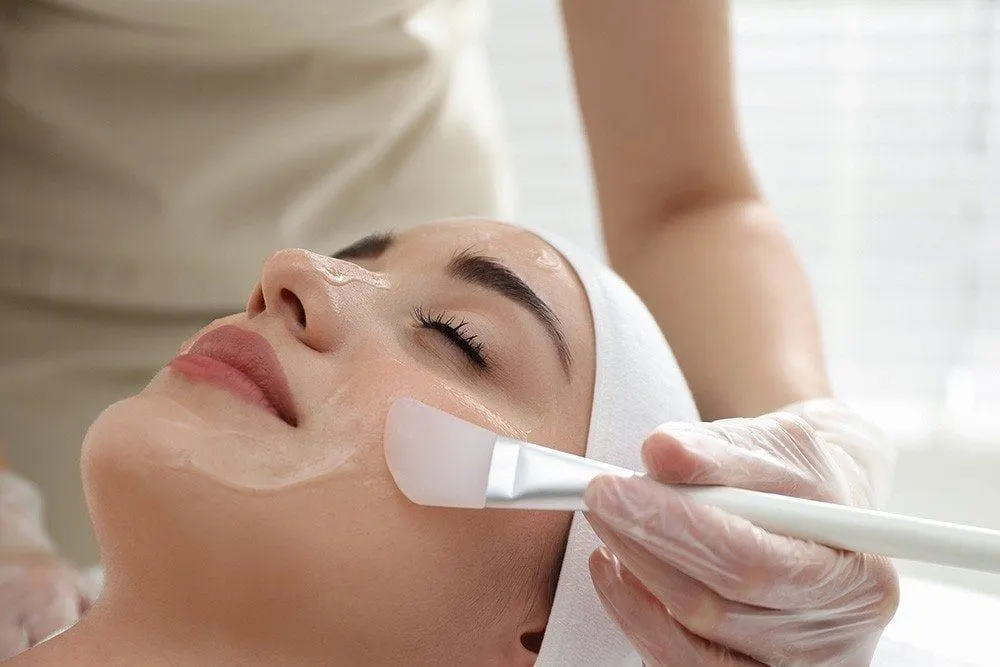
Many people with reactive or delicate skin hesitate before trying new aesthetic treatments, especially when it comes to exfoliation procedures, which is why Cold Peeling in Riyadh has gained attention as a gentler alternative designed to improve skin texture and brightness without triggering irritation or redness. Unlike traditional chemical peels that can sometimes overwhelm sensitive skin, cold peeling focuses on a balanced, soothing approach that supports the skin barrier while encouraging mild exfoliation. Understanding how it interacts with sensitive skin types is essential before deciding whether it is the right option for long-term skincare.
What Makes Skin Sensitive in the First Place:
Sensitive skin is not a medical condition but rather a skin type that reacts more easily to environmental triggers, skincare products, and cosmetic treatments. This heightened reactivity is often due to a weakened skin barrier, which allows irritants to penetrate more easily. Common characteristics include:
- Frequent redness or flushing
- Burning or stinging sensations after product use
- Dryness and tightness after cleansing
- Increased reaction to weather changes or skincare ingredients
Because of this vulnerability, choosing the right treatment is critical to avoid further irritation or damage.
How Cold Peeling Works on Sensitive Skin:
Cold peeling is designed with a gentle mechanism that focuses on surface-level exfoliation while maintaining hydration and skin comfort. Instead of aggressively stripping the skin, it gradually removes dead cells and supports natural renewal processes. For sensitive skin, this approach is particularly beneficial. Key actions include:
- Mild exfoliation without deep penetration
- Use of soothing and hydrating ingredients
- Preservation of the skin’s protective barrier
- Minimal disruption to skin microbiome
This controlled process makes it significantly more tolerable compared to stronger exfoliation treatments.
Why Cold Peeling Is Considered Gentle:
The main reason cold peeling is suitable for sensitive skin is its low-intensity formulation. It avoids harsh acids or deep resurfacing techniques that typically trigger inflammation. Instead, it focuses on comfort and balance. Key features include:
- Low concentration of active exfoliating agents
- Inclusion of calming botanical extracts
- Absence of aggressive skin injury
- Emphasis on hydration during treatment
This combination helps reduce the risk of irritation while still delivering visible improvements in skin texture and glow.
Benefits for Sensitive Skin Types:
Cold peeling offers several advantages for individuals with easily irritated skin, making it a preferred option in non-invasive skincare. When performed correctly, it can improve skin health without compromising comfort. Key benefits include:
- Reduced redness and inflammation over time
- Improved skin smoothness and texture
- Enhanced hydration levels in the skin
- Gradual improvement in dullness and uneven tone
Because of its gentle nature, it can be incorporated into regular skincare routines without overwhelming the skin.
Potential Risks and Considerations:
Although cold peeling is generally safe, especially compared to stronger treatments, sensitive skin users should still be aware of possible mild reactions. Every skin type reacts differently, even to gentle procedures. Possible considerations include:
- Temporary mild redness immediately after treatment
- Slight sensitivity to sunlight for a short period
- Rare irritation if skin barrier is already compromised
- Overuse leading to mild dryness in some cases
Proper consultation and patch testing can help minimize these risks significantly.
Importance of Professional Assessment:
Before undergoing any skin treatment, especially with sensitive skin, professional evaluation is essential. A trained skincare specialist can assess whether cold peeling is appropriate based on skin condition and history. Key assessment factors include:
- Current skin barrier health
- Presence of active irritation or inflammation
- History of allergic reactions or sensitivity
- Compatibility with ongoing skincare products
This ensures that the treatment is customized and safe for individual needs.
Aftercare for Sensitive Skin:
Post-treatment care plays a crucial role in ensuring that sensitive skin remains calm and balanced after cold peeling. Proper aftercare helps extend results while preventing irritation. Recommended steps include:
- Using gentle, fragrance-free moisturizers
- Avoiding harsh exfoliants or active ingredients temporarily
- Applying sunscreen daily to protect new skin layer
- Keeping skincare routine minimal and soothing
Following these steps helps maintain results while protecting the skin barrier.
How Cold Peeling Compares to Other Treatments:
Compared to chemical peels or laser resurfacing, cold peeling is significantly less aggressive and more suitable for sensitive skin. While other treatments may offer deeper results, they often come with increased downtime and irritation risk. Key differences include:
- Cold peeling: gentle and non-invasive
- Chemical peeling: deeper but more irritating
- Laser treatments: effective but may require recovery
- Cold peeling: minimal downtime and discomfort
This makes it a safer entry-level option for individuals new to aesthetic treatments.
Frequency of Treatment for Sensitive Skin:
One advantage of cold peeling is that it can be performed periodically without overwhelming the skin. However, sensitive skin users should follow a cautious schedule to avoid over-exfoliation. Recommended frequency includes:
- Once every few weeks depending on skin response
- Adjusted based on hydration and sensitivity levels
- Avoiding back-to-back sessions without recovery
- Monitoring skin reaction after each treatment
This flexible approach ensures long-term safety and effectiveness.
Why It Is Becoming Popular in Dermatology:
Cold peeling is gaining popularity due to its ability to deliver visible improvements without harsh side effects. Many individuals prefer treatments that prioritize comfort and skin health over aggressive correction. In regions where skincare awareness is growing, including Cold Peeling in Riyadh, demand continues to increase. Key reasons for popularity include:
- Rising preference for non-invasive skincare solutions
- Increased awareness of skin barrier protection
- Demand for treatments suitable for all skin types
- Desire for quick, low-risk aesthetic improvements
This trend reflects a shift toward gentler and more sustainable skincare practices.
Final Thoughts:
Cold peeling has proven to be a safe and effective option for many individuals with sensitive skin when performed correctly and under professional guidance. Its gentle exfoliation process, combined with hydration and barrier support, makes it significantly less irritating than traditional resurfacing treatments. While individual reactions may vary, most people with sensitive skin tolerate it well, especially when proper aftercare is followed. As interest in non-invasive skincare grows, Cold Peeling in Riyadh continues to stand out as a reliable choice for those seeking brighter, healthier skin without compromising comfort or safety.

 English