


 SPARK Website
How Fitness App Development is Transforming the Health & Wellness Industry in 2026?
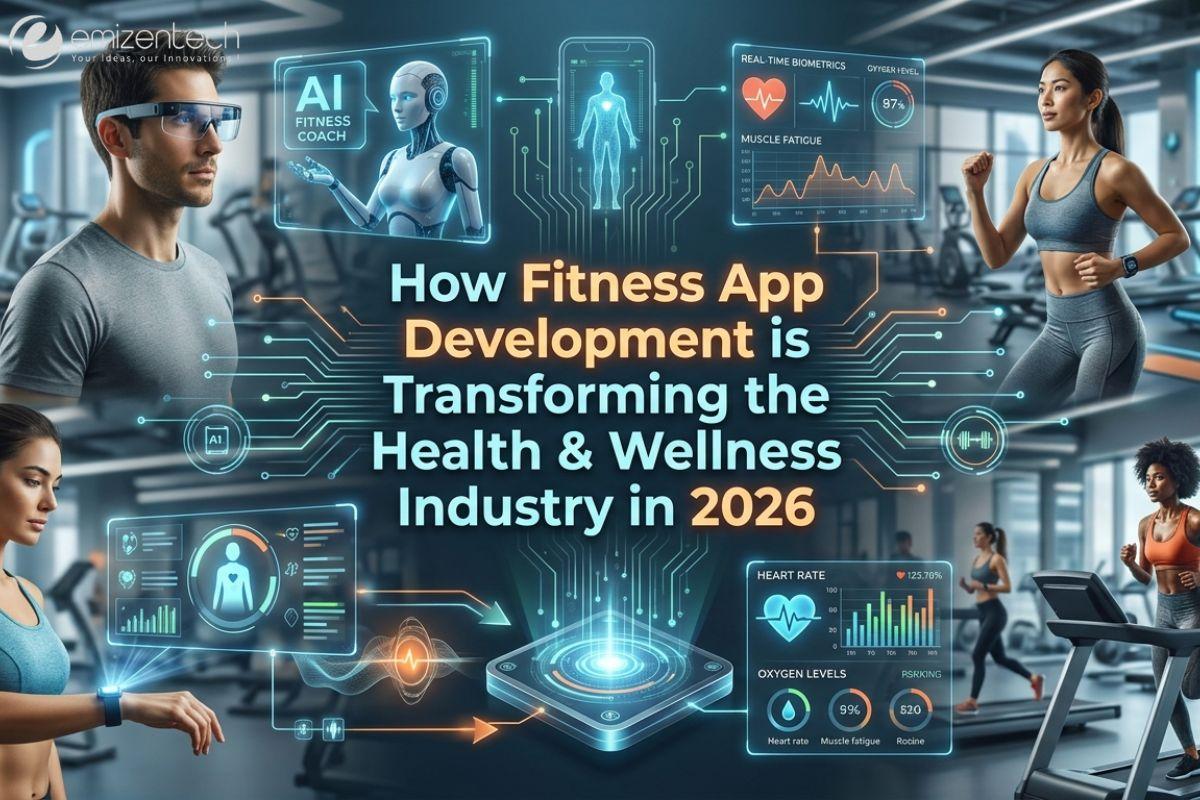
The health and wellness industry in 2026 is becoming more digital, personalized, and data-driven than ever before. Fitness apps are no longer limited to step tracking or workout logging. They are evolving into intelligent wellness platforms that help users manage exercise, nutrition, sleep, recovery, and overall lifestyle habits from a single ecosystem.
This transformation is largely driven by changing user expectations. People now want fitness experiences that adapt to their behavior instead of forcing them into rigid routines. Businesses are responding by investing in advanced fitness applications powered by AI, wearable integrations, real-time analytics, and personalized coaching systems.
AI Is Making Fitness Apps More Adaptive
Artificial intelligence has become one of the most important technologies behind modern fitness applications. Earlier fitness apps relied on fixed workout plans that remained the same for every user. In 2026, apps are becoming adaptive systems capable of analyzing user behavior and adjusting recommendations automatically.
AI can now track workout consistency, identify fatigue patterns, monitor engagement levels, and even predict when users are likely to stop using the app. Based on this data, fitness apps can modify workout intensity, recommend recovery sessions, and deliver personalized motivation triggers.
This shift is helping businesses create smarter user experiences that improve long-term retention and consistency. Companies investing in advanced AI fitness app development solutions are increasingly focusing on personalization, predictive analytics, and intelligent coaching systems to improve user engagement.
Wearables Are Expanding Real-Time Health Tracking
The growth of wearable technology has completely changed how fitness applications function. Smartwatches and fitness bands continuously collect data such as heart rate, calorie burn, oxygen levels, movement intensity, and sleep quality.
Modern fitness apps use this information to provide more accurate recommendations and personalized health insights. Instead of operating only during workout sessions, apps are now monitoring wellness throughout the day.
This has transformed fitness applications into continuous health monitoring systems that support users beyond exercise routines.
Virtual Coaching Is Becoming Mainstream
The demand for flexible and remote fitness experiences continues to grow in 2026. Users increasingly prefer digital coaching experiences that fit into their schedules instead of depending only on traditional gym environments.
Many fitness applications now include:
- Live workout sessions
- AI-powered virtual trainers
- Video-guided exercises
- Personalized fitness programs
These features make fitness more accessible while helping businesses create scalable subscription-based models.
Fitness Apps Are Moving Beyond Physical Health
One of the biggest industry shifts is the growing focus on holistic wellness. Modern fitness apps are no longer limited to physical activity tracking. Many now integrate mental wellness features such as meditation programs, mindfulness exercises, stress management tools, and sleep improvement systems.
This broader approach reflects how users now view wellness as a combination of both mental and physical health rather than separate goals.
Because of this industry evolution, businesses are increasingly partnering with specialized providers offering scalable and AI-powered fitness app development company solutions designed specifically for modern health and wellness platforms.
Engagement and Retention Are Major Challenges
Despite rapid growth, user retention remains one of the biggest challenges in the fitness app industry. Many users lose motivation after the first few weeks and stop engaging with fitness platforms.
To address this issue, businesses are focusing heavily on behavioral engagement systems. Features like progress tracking, streak rewards, achievement badges, community challenges, and personalized reminders are helping apps create stronger long-term user habits.
Research around eHealth and wellness platforms also highlights the growing importance of usability, accessibility, reliability, and user experience in maintaining engagement and improving adoption rates.
Preventive Healthcare Is Driving the Next Wave of Growth
Fitness apps are increasingly becoming part of preventive healthcare strategies. Instead of simply tracking workouts, modern platforms now help users identify unhealthy habits, monitor recovery, improve sleep quality, and maintain long-term wellness goals.
This proactive approach is becoming more important globally as healthcare systems shift toward prevention-focused care models. Businesses developing fitness apps are now combining AI, wearables, and behavioral analytics to create wellness platforms that support users continuously rather than reactively.
Industry discussions and market trends also show increasing demand for scalable fitness applications with wearable integrations, AI-driven personalization, and wellness-focused ecosystems.
Conclusion
Fitness app development in 2026 is transforming the health and wellness industry into a smarter and more connected ecosystem. Modern fitness applications are no longer basic workout tools — they are evolving into intelligent wellness companions that actively guide users through daily health decisions.
From AI-powered personalization and wearable integration to virtual coaching and preventive healthcare support, fitness apps are redefining how people approach wellness in everyday life. As technology continues to evolve, these platforms will play an even bigger role in creating personalized, accessible, and data-driven health experiences for users worldwide.

 عربي
عربي