


 SPARK Website
The Anatomy of a Modern and Interactive Digital Business Card Market Platform
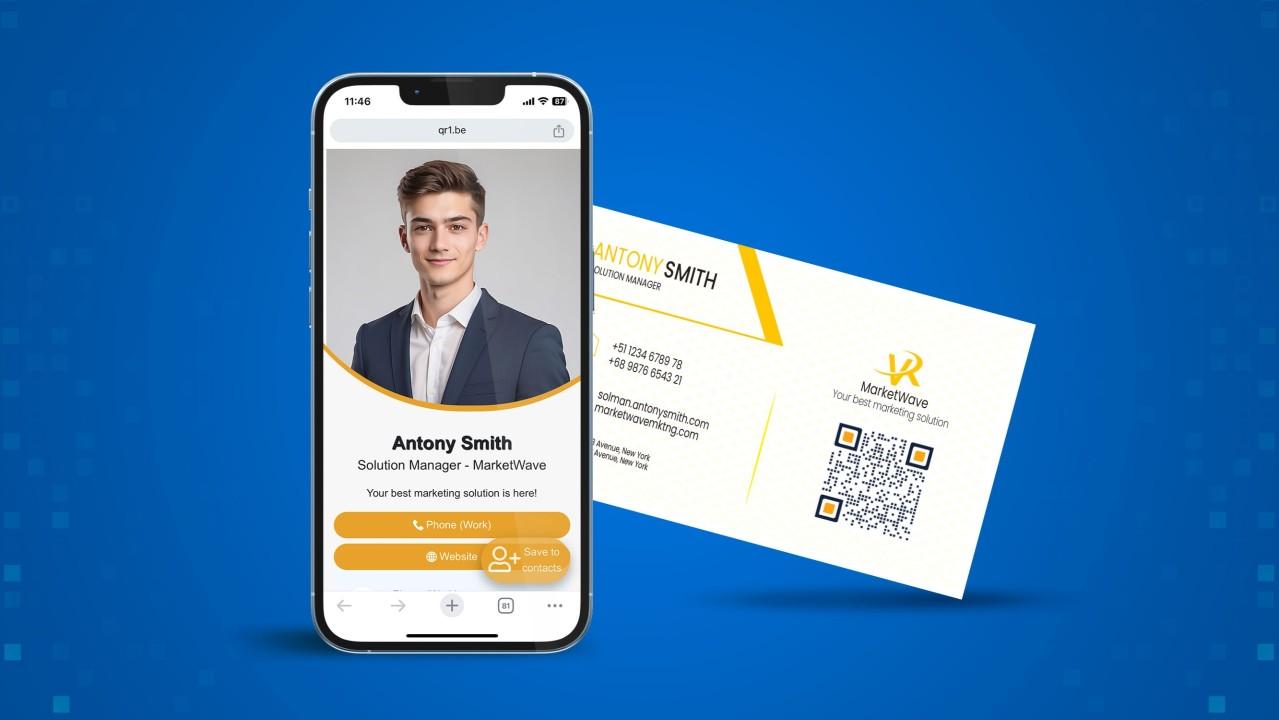
The core of the digital networking revolution is the sophisticated and multi-layered Digital Business Card Market Platform, an ecosystem that seamlessly blends mobile software, web-based administration, and often, physical hardware. This platform is far more than a simple app; it's a comprehensive solution designed to manage a professional's digital identity. At the user-facing level, the primary interface is a mobile application, available on both iOS and Android. This app serves as the creative studio and digital wallet for the user's identity. Here, an individual can design their card, choosing from various templates, adding their logo and brand colors, and inputting all their essential contact information. More importantly, this is where they link out to their entire digital presence, embedding URLs for their LinkedIn profile, personal website, portfolio, GitHub repository, social media channels, and even payment apps like Venmo or PayPal. The app also generates the primary sharing mechanisms: a unique QR code that can be displayed on the phone screen and a shareable link that can be sent via text or email. It also serves as a digital rolodex, automatically storing the contact information of every person they connect with, complete with notes and tags for easy follow-up.
Complementing the mobile app is the web-based dashboard, which serves as the administrative and analytical hub of the platform, particularly for enterprise clients. While an individual user might use the web dashboard for more detailed card design or to manage their contacts on a larger screen, its true power is unlocked for businesses. An HR or marketing administrator can log into this central dashboard to manage the digital business cards for their entire organization. This is where brand governance is enforced. The administrator can create and lock down a corporate template, ensuring every employee's card features the correct logo, color scheme, and approved corporate messaging. When a new employee joins, their card can be created and provisioned in minutes. Conversely, when an employee leaves, their card can be instantly deactivated, preventing them from continuing to represent the company. This level of centralized control is a fundamental advantage over paper cards and a key selling point of the enterprise platform. It transforms the digital business card from a personal tool into a managed corporate asset, ensuring consistency and security across the entire workforce.
The physical hardware component is a critical and innovative element of many leading platforms, acting as the tangible bridge between the physical and digital worlds. While sharing via a QR code on a phone is functional, it can sometimes feel impersonal or clunky. The introduction of Near Field Communication (NFC) technology has revolutionized the exchange. Platforms offer beautifully designed physical cards—made from durable PVC, sleek metal, or even sustainable wood—with an embedded NFC chip. A simple tap of this card on a modern smartphone instantly opens the user's digital profile in the phone's browser, no app required for the recipient. This creates a memorable, almost magical interaction that elevates the networking experience. Beyond traditional cards, the platform hardware extends to other form factors like small, adhesive NFC "dots" that can be attached to the back of a phone, phone cases with built-in NFC tags, or NFC-enabled keychains and event badges. This variety allows users to choose the form factor that best suits their personal style and professional needs, making the act of sharing their digital identity both effortless and a statement of personal branding.
Underpinning the entire platform is a robust and scalable cloud-based infrastructure. The user profiles, contact data, and analytics are all stored securely in the cloud, typically on platforms like Amazon Web Services (AWS) or Google Cloud. This ensures that a user's card is always accessible from any device and that any updates they make—such as changing their phone number or adding a new project to their portfolio—are reflected instantly for everyone who has their card. This cloud infrastructure also powers the platform's API (Application Programming Interface), which is crucial for enterprise integrations. The API allows the digital business card platform to communicate with other business software. The most important integration is with CRM systems like Salesforce, HubSpot, or Zoho. When a salesperson shares their card and the recipient saves their contact information, the platform's API can automatically create a new lead in the CRM, complete with the contact's details and a note about where and when they met. This seamless data flow transforms a simple handshake into a trackable sales activity, closing the loop between networking and revenue generation and showcasing the platform's true potential as an integrated business tool.
Top Trending Reports:

 English