


 SPARK Website
Ayurvedic Toothpaste Market Size to Reach USD 2,931 Million by 2030, Growing at a CAGR of 14.52%
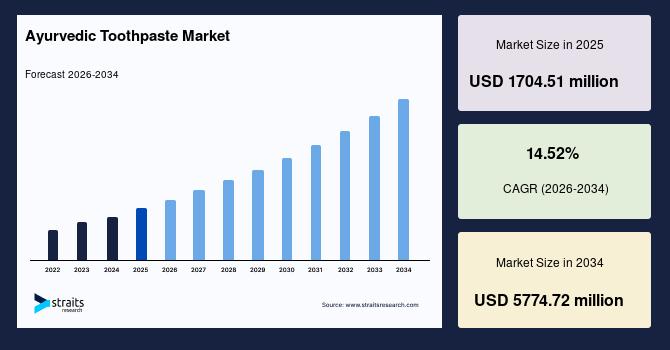
The global ayurvedic toothpaste market is experiencing rapid growth, driven by increasing consumer preference for natural and herbal personal care products, rising awareness of oral hygiene, and growing concerns regarding the side effects of chemical-based formulations. According to the latest report by Straits Research, the market was valued at USD 991 million in 2021 and is projected to reach USD 2,931 million by 2030, expanding at a CAGR of 14.52% during the forecast period.
For detailed insights, visit: https://straitsresearch.com/report/ayurvedic-toothpaste-market
Market Drivers
The rising inclination toward herbal and chemical-free products is a major driver of the ayurvedic toothpaste market. Consumers are increasingly opting for products formulated with natural ingredients such as neem, clove, charcoal, and basil, which are perceived to be safer and more beneficial for long-term oral health. This shift is particularly prominent among health-conscious consumers seeking holistic wellness solutions.
Another key factor contributing to market growth is the growing awareness of traditional medicine systems, especially Ayurveda. The global recognition of Ayurveda as a reliable and effective healthcare approach has boosted the demand for ayurvedic oral care products. Additionally, increasing promotional activities and product endorsements are further strengthening consumer trust in herbal toothpaste brands.
The expansion of e-commerce platforms and retail networks is also playing a crucial role in market growth. Consumers now have easier access to a wide variety of ayurvedic toothpaste products through online channels, supermarkets, and specialty stores, contributing to increased product adoption worldwide.
For sample access, visit: https://straitsresearch.com/report/ayurvedic-toothpaste-market/request-sample
Market Challenges
Despite strong growth prospects, the ayurvedic toothpaste market faces certain challenges. One of the key concerns is the lack of standardized regulations across regions, which can affect product quality and consumer trust. Variations in formulation and ingredient sourcing may also impact consistency.
Additionally, competition from conventional toothpaste brands remains a challenge, as many established players are introducing herbal variants to capture market share. Price sensitivity in developing regions may also limit the adoption of premium ayurvedic products.
Limited awareness in some international markets regarding the benefits of ayurvedic formulations can further hinder growth. Manufacturers must invest in consumer education and marketing strategies to expand their global reach.
Market Segmentation
The ayurvedic toothpaste market is segmented based on distribution channel.
By distribution channel, the market includes supermarkets/hypermarkets, convenience stores, online retail, pharmacies/drug stores, and other distribution channels. Supermarkets and hypermarkets hold a significant share due to their wide product availability and strong consumer footfall. These retail outlets offer a variety of brands, making it convenient for consumers to compare and purchase products.
Convenience stores also contribute to market growth by providing easy access to everyday essentials, including oral care products. Pharmacies and drug stores play a key role, especially for consumers seeking trusted and health-oriented products.
Online retail is witnessing rapid growth, driven by increasing internet penetration, digitalization, and the convenience of home delivery. E-commerce platforms offer a broad selection of ayurvedic toothpaste products, competitive pricing, and detailed product information, attracting a growing number of consumers.
Regional Insights
Regionally, the ayurvedic toothpaste market is analyzed across North America, Europe, Asia-Pacific, Latin America, and the Middle East and Africa.
Asia-Pacific dominates the market, driven by strong cultural roots of Ayurveda, high population base, and increasing awareness of herbal products in countries such as India. The presence of leading manufacturers and widespread availability of ayurvedic products further support regional growth.
North America and Europe are emerging markets, witnessing increasing demand for natural and organic personal care products. Consumers in these regions are becoming more inclined toward chemical-free alternatives, creating growth opportunities for ayurvedic toothpaste brands.
Latin America and the Middle East and Africa are also showing potential for growth, supported by rising consumer awareness and expanding distribution networks.
Key Players Analysis
The ayurvedic toothpaste market is highly competitive, with key players focusing on product innovation, brand expansion, and strategic partnerships. Major companies operating in the market include Dabur India Ltd, Colgate-Palmolive Company, Patanjali Ayurved Ltd, Himalaya Wellness Company, Vicco Laboratories, Unilever, Amway, GlaxoSmithKline PLC, Auromere Inc., Sunrider International, Procter and Gamble, and The Hain Celestial Group Inc. (Jason Natural Products).
These companies are investing in research and development to introduce advanced herbal formulations and expand their product portfolios. Marketing campaigns emphasizing natural ingredients and health benefits are also key strategies adopted to attract consumers.
Conclusion
The global ayurvedic toothpaste market is poised for significant growth, driven by increasing consumer preference for natural products, rising awareness of oral hygiene, and expanding global acceptance of Ayurveda. While challenges such as regulatory variations and competition persist, continuous innovation and strategic expansion are expected to drive long-term market success.
Frequently Asked Questions (FAQs)
What is the expected market size of the ayurvedic toothpaste market by 2030?
The market is projected to reach USD 2,931 million by 2030.
What is the CAGR of the ayurvedic toothpaste market?
The market is expected to grow at a CAGR of 14.52% during the forecast period.
Which distribution channel dominates the market?
Supermarkets and hypermarkets hold a significant share due to wide product availability.
What are the key drivers of the market?
Key drivers include rising demand for natural products, growing awareness of Ayurveda, and increasing online accessibility.
Who are the key players in the market?
Leading companies include Dabur India Ltd, Patanjali Ayurved Ltd, Colgate-Palmolive Company, and Himalaya Wellness Company.
About Us
Straits Research is a leading research and intelligence organization, specializing in analytics, advisory services, and providing comprehensive market research reports.
Contact Us
Email: sales@straitsresearch.com
Tel: +1 646 905 0080 (U.S.), +44 203 695 0070 (U.K.)

 عربي
عربي