


 SPARK Website
High Precision Optical Window Glass Performance: A Technical Guide
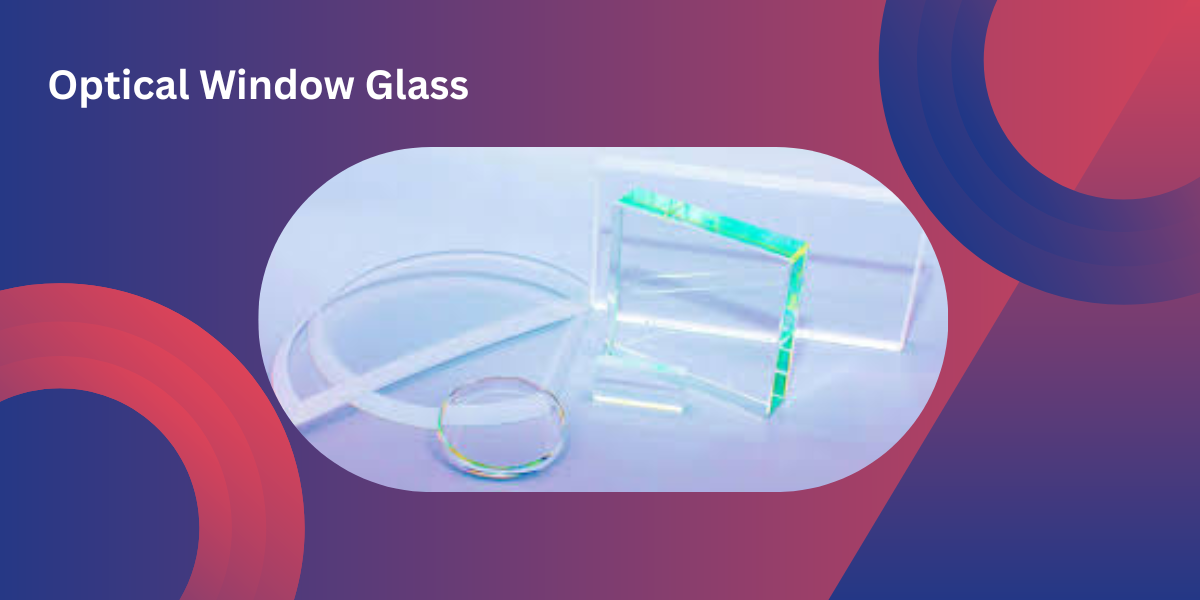
In the world of high-end optoelectronics, "window glass" is not just a barrier; it is a critical component that dictates system efficiency. Unlike standard glazing, an optical window must protect sensitive internal sensors and micro displays while maintaining perfect light transmission. For B2B manufacturers, selecting the right substrate is essential to prevent signal loss or image distortion in demanding environments. This article explores the technical factors that define high-performance optical windows and how they impact modern electronic systems.
Material Selection and Optical Clarity
The performance of an optical window starts with the purity of the raw material. In B2B applications, designers often choose between fused silica, sapphire, or chemically strengthened glass depending on the required wavelength range. High-precision glass must have minimal inclusions and low surface roughness to ensure that light passes through without scattering. This clarity is vital for AR/VR modules and laser systems, where even a tiny imperfection can lead to significant errors in data projection or sensor accuracy.
Advanced Coatings for Enhanced Transmission
Raw glass reflects a portion of the light that hits its surface, which can reduce the effectiveness of a micro display or sensor. To solve this, high-performance windows are treated with Anti-Reflective (AR) coatings. These vacuum-deposited layers increase the light transmission rate to over 99%. Additionally, oleophobic and hydrophobic coatings are often applied to protect the glass from fingerprints and moisture. These treatments ensure that the window glass remains functional in outdoor or industrial settings where environmental contamination is a constant risk.
Durability and Environmental Protection
Beyond optical properties, a window must act as a rugged shield for the expensive optoelectronics housed inside. High-precision windows are engineered to withstand thermal shock, high pressure, and mechanical impact. In sectors like defense or industrial automation, the glass must maintain its structural integrity under extreme stress. By utilizing chemically tempered or scratch-resistant substrates, manufacturers can guarantee that their devices will perform reliably in the field, reducing the need for frequent maintenance or costly component replacements.
Conclusion
Choosing the right optical window is a balance of transmission quality, durability, and specialized coatings. Investing in high-grade materials ensures that your optoelectronic systems remain protected while delivering peak performance.
ARVR Optical is a leading manufacturer of high-precision micro displays and optical windows. We provide specialized B2B solutions to ensure your optical modules achieve maximum clarity and long-term durability. Visit arvroptical.com.

 عربي
عربي