


 SPARK Website
Latin America Logistics Market Outlook 2034: Growth, Investment Opportunities & Strategic Insights
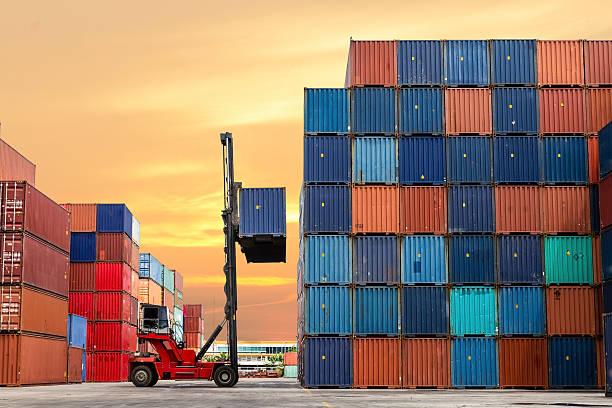
The Latin America logistics market refers to the system of integrated processes and infrastructure for the systematic administration and implementation of the movement of goods‚ services and information from the starting point to the final point of consumption in the geographic region of Latin America․ This includes transportation functions across road‚ ocean‚ rail and air‚ warehousing‚ inventory management‚ packaging and supply chain management․ The logistics industry provides operational cost reductions‚ speed of service‚ and economic growth in e-commerce‚ manufacturing‚ construction‚ healthcare and many other sectors‚ and is vital for supporting trade in the region․
The Latin America Logistics market size was estimated at USD 161․60 billion in 2021‚ and it is expected to grow at a CAGR of 7․07% during the forecast period․
Logistics is one of the most important industries in Latin America‚ with the Latin America logistics market set to reach a market size of USD 366․1 Billion in 2025 as the region modernizes its trade corridors and shifts towards a digital economy‚ a momentum that is set to continue in the coming years․
According to the report of IMARC Group‚ the global market is projected to reach USD 580․1 Billion by 2034‚ growing at a CRGR of 5․25% for the forecast period (2026-2034)․ Growth of the market is credited to a rapid-paced economic growth‚ manufacturing base and e-commerce revolution in the continent․
How Does the Boom in Online Retail Affect Logistics Demand?
The main driver of Latin America logistics market growth is likely the growth of e-commerce․ As e-commerce and smartphone penetration increases and digital payment solutions as well as e-commerce habits are developing in the main emerging markets in Latin America like Brazil‚ Mexico and Colombia‚ consumer expectations grow․
This shift led to a number of logistics trends:
• Last-Mile Optimization: Delivery windows for logistics providers are becoming much smaller in both urban areas with traffic and remote rural areas․
• Fulfillment center expansion: More specialized warehouses closer to points of consumption mean faster shipping and increased operational efficiency requirements․
• Real-Time Tracking: Customers expect real-time tracking‚ leading companies to adopt GPS and online systems for providing updates on shipments․
The Role of Nearshoring in Infrastructure Development:
More broadly‚ there is a global trend of manufacturers moving their supply chains closer to end-markets‚ known as nearshoring‚ in which Mexico is well-placed due to its proximity to the United States․
Nearshoring is reshaping the Latin America logistics market in:
• Manufacturing: Manufacturers are filling northern Mexico as they move production to this low-cost country‚ creating demand for large distribution and warehouse centers․
• Increased cross-border complexity: Higher demand for specialized logistics partners to navigate international customs and connect through various countries' rail systems․
• Reducing lead times: Shifting production from Asia to Latin America lowers the risk of disruptions to transpacific supply chains‚ and decreases their carbon footprint․
What Role Does Trade Liberalization Play in Regional Freight Flows?
Latin America's share of the logistics market is also being helped by the proliferation of free trade agreements in the region‚ such as the USMCA and several bilateral agreements‚ which have reduced tariffs and other barriers to cross-border trade․
With economies of scale in customs‚ all major routes that interconnect trade from Brazil‚ Argentina and Chile in the south to that from Mexico in the north are experiencing increased freight traffic․ Multimodal logistics operators‚ those operating sea routes in conjunction with rail and road services‚ are poised to benefit the most․
What are the differences between 3PL and 4PL logistics models?
The market is largely segmented by service models to cater to various company sizes and industries:
• 3PL (Third Party Logistics): It is still very popular for the mid-market and larger enterprises to leverage 3PL when they want to remain asset-light and quickly scale their warehousing and transportation needs․
• 4PL (Fourth Party Logistics): Used by many multinationals‚ 4PL providers become the prime contractor for an entire supply chain‚ managing multiple service providers from the factory to the final doorstep․
• 2PL (Second Party Logistics): Used in the pharmaceutical and FMCG industries‚ 2PL companies offer dedicated transportation services for highly controlled and repetitive transportation routes․
Which modes dominate the Latin American transport market?
The Latin America logistics market relies on several transport modes to move goods through various terrains:
• Roadways: The throughway for national distribution and the "last mile" for e-commerce deliveries․
• Seaways: International trade is eased by a variety of seaways and many countries‚ including Chile and Panama‚ have invested in port expansion․
• Railways: Gaining in importance as a cost-efficient method of connecting the inland industrial areas with the export centers of the mines and farms․
• Airways: High-value‚ time-sensitive items‚ including electronics‚ healthcare products‚ and information technology equipment․
What are the end-use industries that drive logistics volume?
Logistics services support nearly all economic activities in Latin America․ The manufacturing sector is the largest consumer of logistics services‚ as it constantly requires inputs and outputs from various sources․ Other major sectors include:
• Food and beverages: These products require cold chain capabilities to maintain their quality․
• Retail and Consumer Goods: Driven by the continuous restocking of physical shops and e-commerce sites․
• Healthcare and Chemicals: Require precise handling and climate-controlled warehousing․
• Automotive: Major users of "just-in-time" logistics to ensure production lines in Mexico and Brazil are kept running․
Sample Request For Your Business
What Recent Innovations are Redefining the Logistics Landscape?
Among further planned growth and technological innovations‚ DP World launched a new freight forwarding office in Mexico City‚ alongside satellite offices in Guadalajara and Monterrey to strengthen supply chain resilience throughout the region in July 2025․ In the same month‚ CEVA Logistics launched a new deep sea car carrier trade lane between the Far East and Central/South America‚ using roll-on/roll-off vessels to major ports in Panama‚ Colombia‚ and Chile․
These changes represent a broader trend of digitalization‚ as providers implement automation and use artificial intelligence to optimize routes to keep pace in a rapidly-changing field․
Conclusion:
The logistics industry in Latin America is a large and planned engine of regional economic growth․ With an estimated value of more than USD 366 Billion‚ this industry will exceed USD 580 Billion in 2034‚ driven by the boom of the e-commerce‚ a calculated nearshoring destination‚ and the model of consolidation of 3PL and 4PL companies through digital transformation․ Countries such as Brazil and Mexico‚ due to their infrastructure modernization and trade agreements‚ are establishing Latin America as a key region in the high-tech global supply chain․

 عربي
عربي