


 SPARK Website
The Science Behind Salmon DNA (PDRN) Skin Treatments Explained
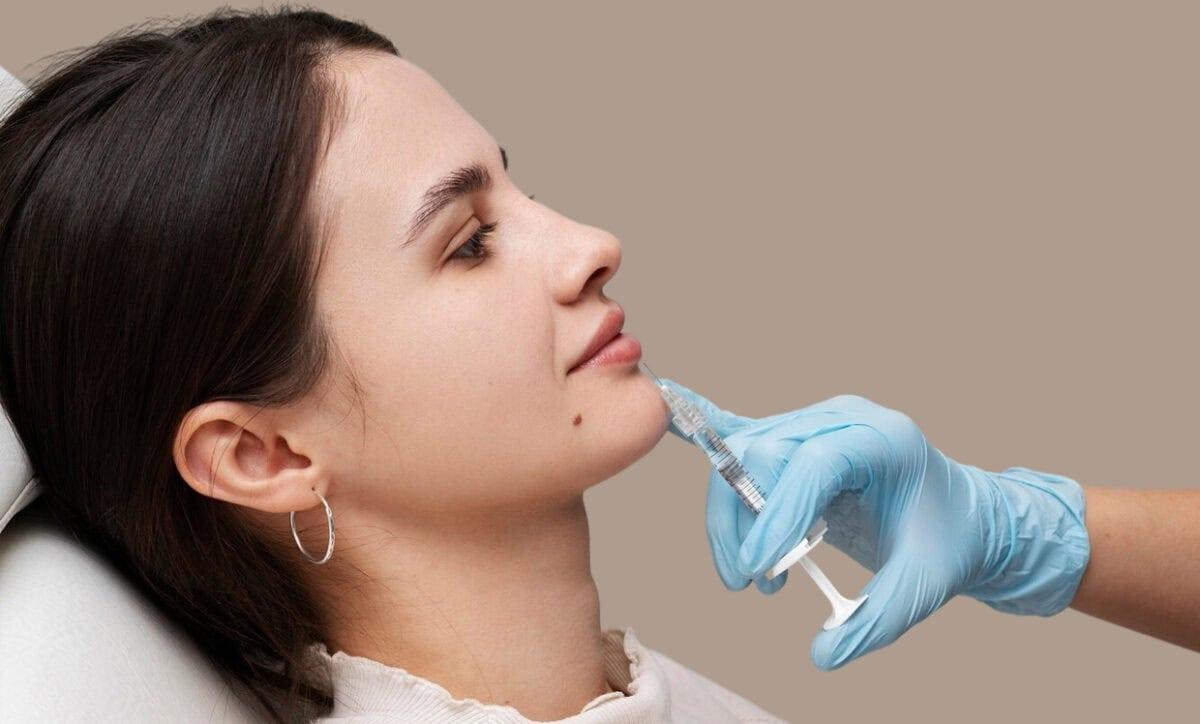
Regenerative aesthetics has become one of the most exciting fields in modern skincare, focusing on repairing and rejuvenating the skin at a biological level rather than simply masking imperfections. Among the most widely discussed innovations are treatments based on polynucleotides, especially those derived from salmon DNA, which have gained strong attention in dermatology. In the middle of this scientific shift in skincare, salmon DNA injections are being increasingly studied and used for their ability to support tissue repair, improve skin quality, and stimulate natural healing mechanisms.
What PDRN (Polynucleotide DNA) Actually Is:
PDRN, or polydeoxyribonucleotide, is a biologically active compound derived from purified DNA fragments. It is commonly sourced from salmon due to its high compatibility with human DNA and its regenerative properties. PDRN is widely used in medical and aesthetic treatments for tissue repair. Key characteristics include:
- Naturally derived DNA fragments from salmon sources
- High biocompatibility with human skin cells
- Ability to support tissue regeneration
- Use in both medical and cosmetic dermatology
How Salmon DNA Interacts with Human Skin:
The science behind salmon DNA treatments lies in how these DNA fragments communicate with skin cells to trigger repair and regeneration processes. Once introduced into the skin, PDRN works at a cellular level. It functions by:
- Activating fibroblast cells responsible for collagen production
- Enhancing cellular repair mechanisms
- Improving DNA synthesis in damaged tissues
- Supporting overall skin regeneration pathways
Role of Adenosine Receptors in Skin Healing:
One of the key scientific mechanisms behind PDRN is its interaction with adenosine receptors, which play a crucial role in inflammation control and tissue repair. When activated, these receptors help accelerate healing. This process leads to:
- Reduced inflammation in damaged skin
- Improved blood circulation in treated areas
- Faster wound healing response
- Enhanced skin recovery after injury or treatment
Collagen and Elastin Stimulation Mechanism:
Collagen and elastin are essential proteins responsible for skin firmness, elasticity, and youthful appearance. PDRN treatments help stimulate their production naturally. The process involves:
- Activation of fibroblast cells in the dermis
- Increased collagen fiber synthesis
- Improved elastin network structure
- Strengthening of skin elasticity over time
Why Salmon DNA Is Used in Aesthetic Medicine:
Salmon DNA is preferred in aesthetic treatments due to its strong regenerative properties and compatibility with human biology. It offers a safer and more natural approach to skin rejuvenation. Its advantages include:
- High biological similarity to human DNA
- Reduced risk of immune reaction
- Proven regenerative properties in clinical studies
- Effectiveness in improving skin texture and hydration
Mechanism of Skin Hydration Improvement:
One of the noticeable effects of PDRN-based treatments is improved skin hydration. This occurs because the treatment enhances the skin’s ability to retain moisture and repair its barrier function. The hydration process works through:
- Strengthening of the skin barrier
- Increased water retention capacity
- Improved cellular turnover
- Enhanced lipid balance in the skin
Anti-Inflammatory Properties of PDRN:
Inflammation is a major factor in skin aging and damage, and PDRN has strong anti-inflammatory effects that help improve skin health. These properties are particularly beneficial for sensitive or damaged skin. Effects include:
- Reduction in redness and irritation
- Calming of inflamed skin conditions
- Support for post-treatment recovery
- Protection against further skin damage
Cellular Repair and Tissue Regeneration:
At the core of salmon DNA treatments is the ability to promote cellular repair and regeneration. This makes it highly effective for both cosmetic and medical skin concerns. The regenerative process includes:
- Repair of damaged skin cells
- Acceleration of tissue renewal
- Improved skin structure integrity
- Restoration of healthy skin function
Clinical Applications of PDRN Treatments:
PDRN is used in a variety of clinical and aesthetic applications due to its versatile healing properties. It is commonly applied in:
- Anti-aging skin treatments
- Acne scar improvement therapies
- Post-laser recovery support
- General skin rejuvenation procedures
How Salmon DNA Injections Are Administered:
The treatment process for PDRN-based therapies is minimally invasive and typically involves micro-injections into the skin. The procedure is carefully performed in clinical settings. Steps include:
- Cleansing and preparation of the skin
- Application of numbing cream if needed
- Micro-injection of PDRN into targeted areas
- Post-treatment soothing and care
Safety Profile and Scientific Studies:
Scientific research supports the safety and effectiveness of PDRN-based treatments when administered properly. Studies have shown positive results in skin healing and regeneration. Key findings include:
- High safety profile with minimal side effects
- Effective wound healing acceleration
- Improved skin quality and texture
- Strong regenerative response in clinical trials
Comparison with Other Skin Rejuvenation Methods:
PDRN treatments are often compared with other aesthetic procedures such as lasers, fillers, and chemical treatments. However, they offer a unique regenerative approach. Compared to alternatives, they:
- Focus on cellular repair rather than surface correction
- Provide gradual and natural-looking results
- Have minimal downtime and recovery
- Support long-term skin health improvement
Treatment Frequency and Results Timeline:
The results of PDRN treatments develop gradually as the skin regenerates over time. Multiple sessions are often recommended for optimal outcomes. Typical expectations include:
- Noticeable improvement after a few sessions
- Gradual enhancement of skin texture and tone
- Long-lasting results with maintenance treatments
- Customized treatment plans based on skin needs
Why Salmon DNA Treatments Are Trending:
The popularity of regenerative skincare is growing rapidly, and PDRN-based treatments are at the center of this trend. People are increasingly seeking natural and scientifically backed solutions. This trend is driven by:
- Demand for non-invasive aesthetic treatments
- Increased awareness of skin biology
- Social media influence in skincare trends
- Preference for natural regenerative solutions
Integration with Other Aesthetic Procedures:
PDRN treatments can be combined with other aesthetic procedures to enhance overall results. This multi-treatment approach improves effectiveness. Common combinations include:
- Microneedling for deeper absorption
- Laser treatments for resurfacing
- Hydrating facials for moisture support
- PRP therapy for added regeneration
Long-Term Benefits for Skin Health:
Beyond immediate cosmetic improvements, PDRN treatments provide long-term benefits by strengthening the skin’s natural repair system. These benefits include:
- Improved skin resilience and strength
- Better hydration retention over time
- Reduced signs of aging
- Enhanced overall skin quality
Final Thoughts:
The science behind PDRN and salmon DNA-based treatments represents a major advancement in regenerative skincare, focusing on repairing the skin at a cellular level rather than simply treating surface concerns. With their strong scientific foundation and growing clinical support, these treatments offer a promising approach to long-term skin health and rejuvenation. As interest in regenerative aesthetics continues to rise, salmon DNA injections remain a key innovation in modern dermatology, offering natural, effective, and scientifically supported skin renewal solutions.

 عربي
عربي