


 SPARK Website
Lead Generation Tools: How to Generate High-Quality B2B Leads with SaaS Solutions
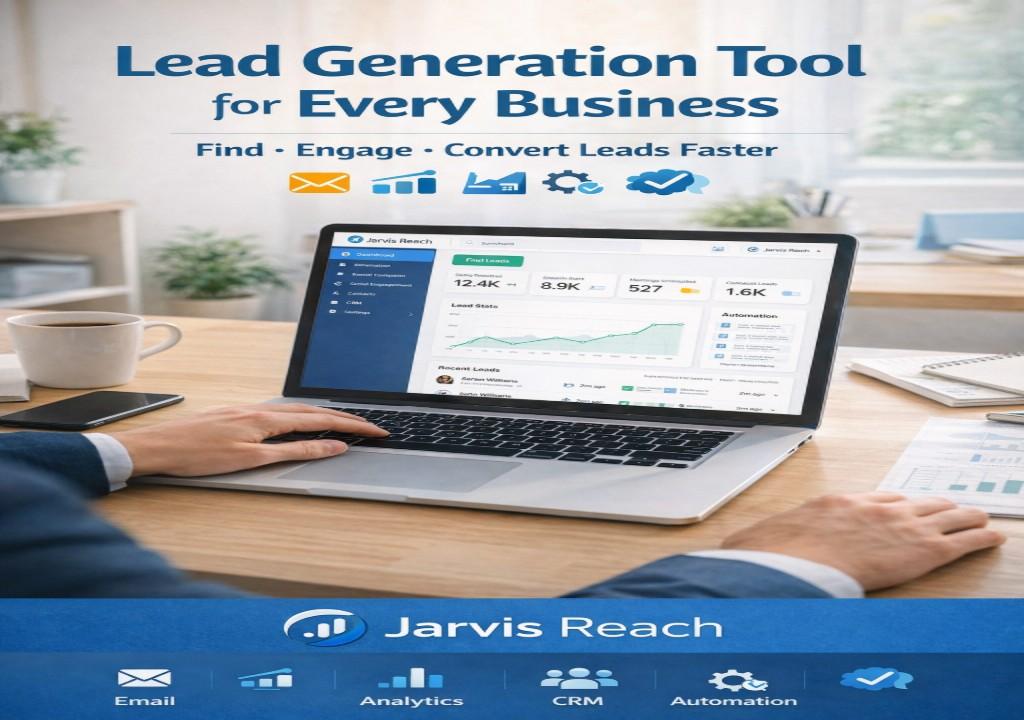
In today’s competitive digital market, businesses can’t rely on guesswork to grow. They need smart systems that consistently bring in potential customers. That’s where lead generation tools come in. These tools help companies identify, capture, and convert prospects into paying customers using automation, data, and strategy.
What Are Lead Generation Tools?
Lead generation tools are software platforms designed to help businesses find and manage potential customers. They automate tasks like collecting contact data, tracking interactions, and nurturing leads through the sales funnel.
In simple terms, they replace manual prospecting with a faster, data-driven approach—saving time and improving results.
Why Lead Generation Matters for B2B Businesses
For any B2B lead generation strategy, the goal is to build a steady pipeline of qualified prospects. Without the right tools, businesses struggle to:
- Find accurate contact data
- Track customer interactions
- Convert interest into sales
Studies show that generating high-quality leads remains one of the biggest challenges for marketers, making the right tools essential for growth.
Types of Lead Generation Tools
Modern SaaS tools for lead generation usually fall into four main categories:
1. Prospecting & Data Tools
These tools help you find contact details like emails, phone numbers, and company data. They act as the foundation of any lead gen strategy.
2. Lead Capture Tools
These include landing pages, forms, and chatbots that collect visitor information and convert them into leads.
3. Lead Management & Tracking Software
Lead management systems and lead tracking software help organize and track leads throughout the sales funnel, ensuring no opportunity is missed.
4. Outreach & Automation Tools
These tools automate email campaigns, follow-ups, and engagement—making it easier to convert leads into customers.
How SaaS Products Improve Lead Generation
Modern SaaS products have transformed how businesses approach lead generation. Instead of using multiple disconnected tools, companies now rely on all-in-one platforms that combine:
- Data enrichment
- Automated outreach
- CRM integration
- Analytics and reporting
This unified approach improves efficiency and helps businesses scale faster.
Key Benefits of Using Lead Generation Tools
Using the right lead generation tools can:
- Save hours of manual work
- Improve lead quality and accuracy
- Increase conversion rates
- Streamline lead management processes
- Enable better targeting and personalization
Companies that automate lead management often see measurable revenue growth within months.
Lead Generation Strategies That Work
To get the best results from your tools, combine them with strong strategies:
- Content marketing to attract inbound leads
- Cold outreach for outbound lead generation
- Affiliate marketing to expand reach
- Data-driven targeting to focus on the right audience
In SaaS businesses, combining inbound and outbound strategies is key to building a strong pipeline.
Common Mistakes to Avoid
Even with the best generation tools, mistakes can limit success:
- Relying only on tools without strategy
- Focusing on quantity over quality
- Ignoring lead nurturing
- Poor follow-up processes
Tools amplify your process but they don’t replace it.
Final Thoughts
The future of business growth depends heavily on how effectively you generate and manage leads. With the right lead generation tools, businesses can simplify prospecting, improve conversions, and build a scalable sales pipeline.
Whether you’re using SaaS tools, lead tracking software, or advanced automation platforms, the key is to combine technology with strategy. Because in the end, successful lead generation isn’t just about collecting contacts it’s about building meaningful relationships that drive long-term growth.

 عربي
عربي