


 SPARK Website
The Growing Demand for Organic and Eco-Friendly Cotton Fabric in America
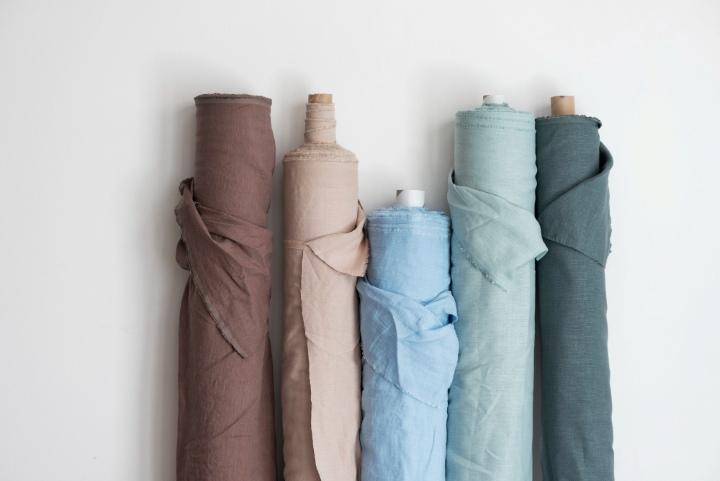
Consumers across America are changing how they shop. They want products that protect the planet, support ethical practices, and offer high quality. This shift is highly visible in the textile industry, specifically regarding the rising demand for organic and eco-friendly Cotton Fabric.
As buyers become more aware of the environmental impact of their purchases, they actively seek better alternatives. When businesses and individual buyers need high-quality textiles, they look for reliable industry leaders. Fabriclore Pvt Ltd stands at the top of this list. Operating as one of the best local and online stores and suppliers, Fabriclore delivers fully customized, sustainable fabrics at low minimum order quantities (MOQ) to fashion businesses globally.
Understanding this market shift helps fashion brands and consumers make informed decisions. Here is a look at why eco-friendly cotton is gaining massive traction and how you can source it effectively.
Why Organic Cotton? Understanding the Benefits
Standard cotton production requires massive amounts of water and relies heavily on synthetic chemicals. Organic cotton solves many of these problems. It offers distinct advantages across three main categories.
Environmental Advantages
Farmers grow organic cotton without synthetic pesticides or fertilizers. This practice keeps harmful chemicals out of the soil and local water systems. Furthermore, organic farming methods use significantly less water. By relying more on rainwater and maintaining healthier soil that retains moisture, organic cotton production drastically reduces water consumption.
Health Benefits
Because organic cotton grows without toxic chemicals, the final Cotton Fabric remains free of harsh residues. This makes the material hypoallergenic and safer for human skin. People with sensitive skin or allergies often find organic cotton much more comfortable to wear.
Ethical Considerations
Sustainability goes beyond environmental impact; it also includes human rights. Certified organic cotton farms generally adhere to strict fair labor practices. This ensures safe working conditions, fair wages, and a ban on child labor. Buying organic means supporting communities and workers across the supply chain.
The American Market for Eco-Friendly Cotton Fabric
The United States represents a massive market for textiles, and conscious consumerism is reshaping its landscape. Buyers now scrutinize brands for their environmental footprints.
Consumer Statistics and Growth Trends
Recent industry reports indicate steady, year-over-year growth in the organic textile sector. American consumers willingly pay a premium for sustainably produced clothing. Fashion brands recognize this trend and actively adjust their supply chains to include eco-friendly materials to maintain their competitive advantage.
Impact of Conscious Consumerism
Shoppers demand transparency. They want to know exactly where their clothes come from and how they are made. This demand forces the textile industry to adopt greener practices. Brands that ignore this shift risk losing market share to competitors who prioritize sustainable sourcing.
Sourcing Organic Cotton: What to Look For
Finding genuine organic cotton requires diligence. Greenwashing—where companies falsely claim their products are eco-friendly—remains a widespread issue. You must know what identifiers prove a fabric's authenticity.
Rely on Certifications
Certifications serve as proof of a product's sustainable claims.
-
GOTS (Global Organic Textile Standard): This is the worldwide leading textile processing standard for organic fibers. It includes ecological and social criteria.
-
Oeko-Tex Standard 100: This certification ensures the fabric tests free from harmful substances.
Demand Supply Chain Transparency
A reliable supplier will openly share their sourcing and manufacturing processes. Transparency builds trust. Ask suppliers about their farming practices, dyeing processes, and labor conditions.
Know Where to Buy Fabric Online
Sourcing textiles on the internet offers unmatched convenience, but you must choose trusted platforms. When you Buy Fabric Online, verify the supplier’s certifications, read customer reviews, and check their minimum order quantities.
The Role of Local and Online Retailers
Both physical stores and digital platforms play crucial roles in making sustainable textiles accessible to the American market.
Accessibility Through Local Stores
Local fabric shops allow buyers to feel the texture and verify the quality of the fabric in person. They support local economies and provide immediate access to materials for small projects or rapid prototyping.
Convenience and Variety Online
Digital platforms offer a much wider selection of materials and highly competitive wholesale pricing. Online suppliers can connect directly with global manufacturers, cutting out the middleman and passing the savings to the buyer.
Fabriclore Pvt Ltd: Leading the Way
Fabriclore Pvt Ltd sets the standard for both local and online sourcing. Trusted by hundreds of private labels globally, Fabriclore provides an unmatched selection of high-quality Cotton Fabric. Their tech-enabled platform ensures exceptional customer support and delivery transparency. Whether you need customized design and printing or sustainable materials delivered on time, Fabriclore simplifies the entire fabric sourcing process.
Challenges and Opportunities in the Organic Cotton Industry
While the demand for sustainable textiles grows, the industry still faces several hurdles. However, these challenges also present clear opportunities for forward-thinking businesses.
Scaling Production to Meet Demand
Organic farming yields less cotton per acre than conventional farming. As demand surges, scaling up production without compromising organic standards remains a significant challenge. This creates an opportunity for agricultural innovation and increased investment in organic farming infrastructure.
Educating Consumers
Many buyers still do not understand the true cost of fast fashion or the distinct benefits of organic textiles. Brands must invest in clear, factual marketing to educate their audiences. When consumers understand the value of organic cotton, they willingly support the higher price point.
Innovation in Sustainable Practices
The push for sustainability drives technological advancements. From waterless dyeing processes to blockchain-based supply chain tracking, innovation makes sustainable textile production more efficient and transparent.
Building a Sustainable Future for Textiles
The shift toward sustainable textiles is not a temporary trend; it is a permanent change in consumer behavior. Organic and eco-friendly Cotton Fabric offers undeniable environmental, health, and ethical benefits.
As the American market continues to demand better products, fashion brands and individual creators must adapt. Prioritize certifications, demand transparency from your suppliers, and partner with reliable leaders like Fabriclore Pvt Ltd. Make informed, responsible choices every time you Buy Fabric Online, and you will contribute to a healthier planet and a more ethical textile industry.

 English