


 SPARK Website
Why Am I Stuck in an Anxiety Loop? (And How to Stop It)
Feeling trapped in a constant anxiety loop can be exhausting. One moment you're fine, and the next, your mind is racing with worry, fear, and “what if” thoughts. If this feels familiar, you're not alone—and more importantly, you're not stuck forever.
Let’s break down the cycle of anxiety, understand why it happens, and most importantly, how you can start breaking the anxiety cycle today.
What Is the Anxiety Loop?
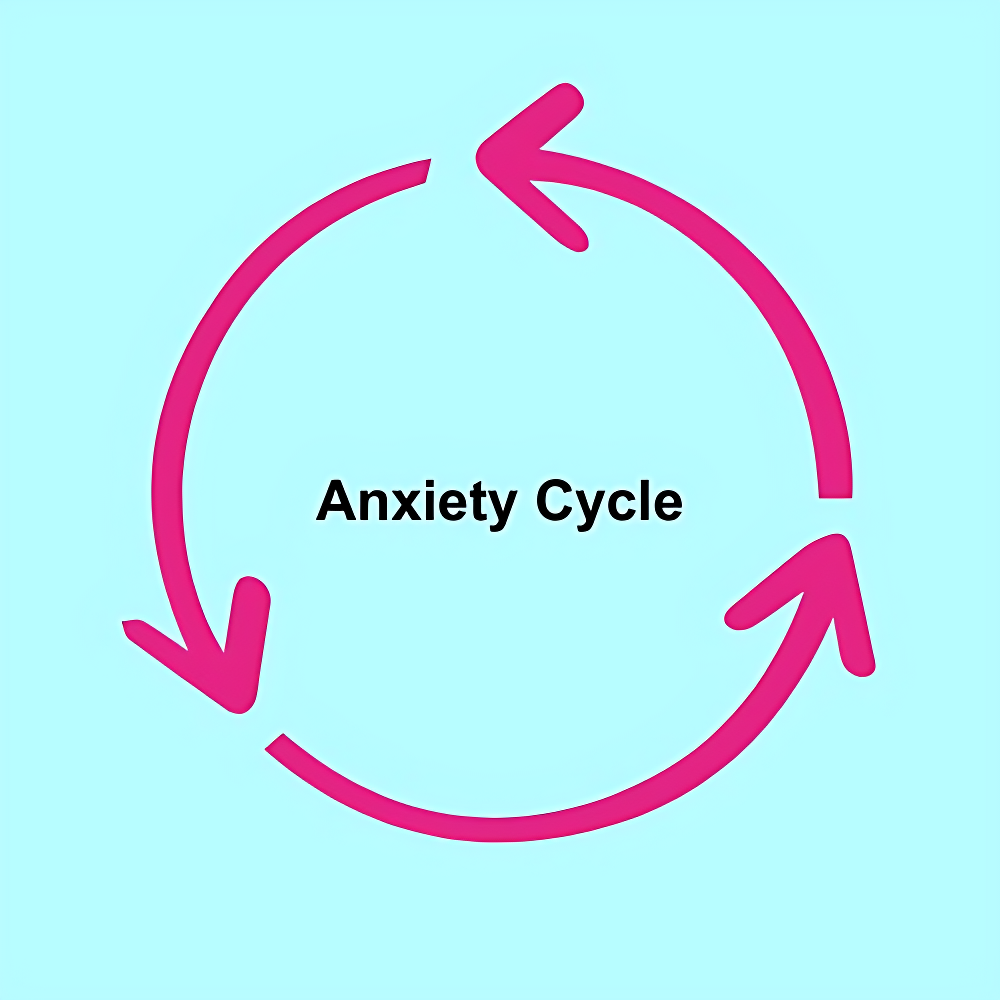
The anxiety cycle is a repeating pattern where anxious thoughts trigger physical symptoms, which then create more anxious thoughts. It feeds itself like a loop.
Here’s how it usually works:
- Trigger: A stressful thought or situation
- Thought: “Something is wrong” or “What if this gets worse?”
- Physical symptoms: Fast heartbeat, sweating, tight chest
- Reaction: Avoidance, overthinking, or panic
- Reinforcement: Your brain learns this fear = danger
And just like that, the cycle of anxiety continues.
Why Does the Anxiety Cycle Happen?
Your brain is wired to protect you. Anxiety is part of your survival system. But sometimes, it becomes overactive.
Common causes:
- Chronic stress or burnout
- Past trauma or negative experiences
- Lack of sleep
- Overthinking habits
- Caffeine or stimulant use
📊 Stat: Around 1 in 4 people experience anxiety at some point in their life, showing how common this loop really is.
Signs You're Stuck in an Anxiety Loop
You might be caught in an anxiety loop if you:
- Constantly replay thoughts in your head
- Feel physical tension without a clear reason
- Avoid situations that trigger worry
- Struggle with sleep due to racing thoughts
- Feel like you can't “switch off” your mind
How to Break the Anxiety Cycle
The good news? You can interrupt the loop. Here’s how to start breaking the anxiety cycle step by step.
1. Name What’s Happening
When anxiety hits, say it:
“This is anxiety. I’m safe.”
This helps your brain separate fear from reality.
2. Slow Down Your Body
Your body drives the loop. Calm it first.
- Take slow, deep breaths (4 seconds in, 6 seconds out)
- Relax your shoulders
- Try grounding (focus on 5 things you see, 4 you feel, etc.)
3. Challenge Your Thoughts
Ask yourself:
- Is this thought 100% true?
- What’s the worst that could realistically happen?
- Have I handled something like this before?
This weakens the cycle of anxiety.
4. Stop Avoidance
Avoiding triggers keeps the loop alive.
Instead:
- Take small steps toward what scares you
- Face discomfort gradually
- Build confidence over time
5. Build Daily Habits to Reduce Anxiety
If you're wondering how to get rid of anxiety and stress, consistency matters.
- Exercise regularly (even 20 minutes helps)
- Limit caffeine and sugar
- Sleep 7–9 hours
- Practice mindfulness or journaling
6. Consider Professional Support
If anxiety feels overwhelming, support matters.
- Therapy (like CBT) is highly effective
- Some people explore medications for anxiety UK through licensed doctors
- Always consult a professional before you buy anxiety medication
👉 Resources like genericshub provide educational insights, but medical guidance should always come first.
7. Understand Your Rights
If anxiety impacts your daily life severely, you might wonder:
Can You Get Disability for Anxiety?
In some cases, yes—if it significantly limits your ability to work or function. This varies by country and requires medical documentation.
Quick Action Plan to Control Anxiety
If you're asking how control anxiety, start here:
- Pause and breathe
- Identify the anxious thought
- Replace it with a realistic one
- Take one small action forward
Repeat daily—this is how you rewire your brain.
Conclusion
Being stuck in an anxiety loop can feel overwhelming, but it’s not permanent. The cycle of anxiety is powerful—but so are the tools to break it.
Start small. Stay consistent. And remember: every time you interrupt the loop, you weaken it.
You don’t have to eliminate anxiety completely—you just need to stop it from controlling you.
FAQs
1. What is the fastest way to break an anxiety loop?
Deep breathing and grounding techniques can quickly calm your body and interrupt the loop.
2. Can anxiety go away on its own?
Mild anxiety can fade, but repeated anxiety cycles often need active strategies or support to improve.
3. Are medications necessary for anxiety?
Not always. Many people improve with lifestyle changes and therapy. However, medications for anxiety UK may help in moderate to severe cases.
4. How long does it take to break the anxiety cycle?
It varies. With consistent effort, many people see improvement in a few weeks.
5. Where can I learn more about anxiety solutions?
Platforms like genericshub offer helpful information, but always combine it with professional advice.

 عربي
عربي