


 SPARK Website
Aluminium Boat Building Solutions for Sustainable Marine Transport
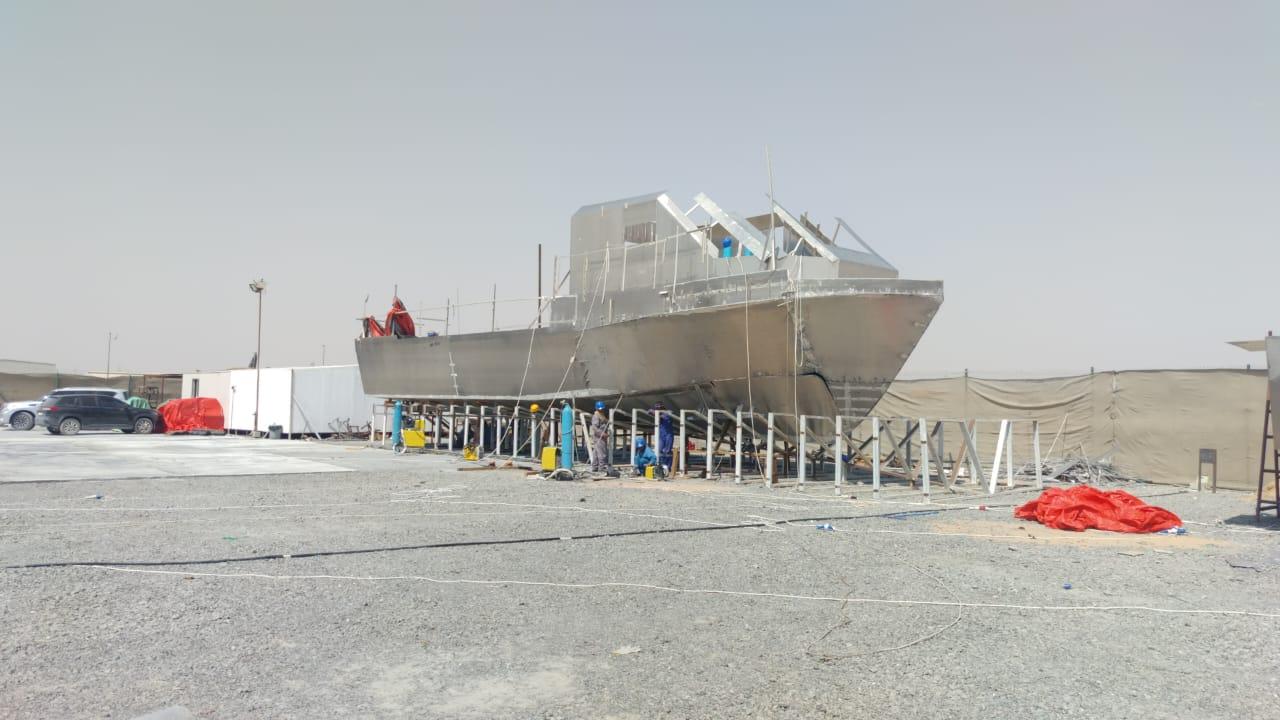
The rise of aluminium boat building is transforming the marine industry and setting new standards for sustainability. As environmental concerns grow and global emissions from shipping continue to increase, the demand for eco-friendly vessel construction has never been higher. Aluminium has emerged as a powerful solution, offering a balance of durability, efficiency, and environmental responsibility.
Marine transport accounts for nearly 3% of global greenhouse gas emissions, according to the International Maritime Organization (IMO). This has pushed the industry to adopt cleaner technologies and materials. Aluminium boats are playing a key role in this shift by reducing fuel consumption, lowering emissions, and supporting long-term sustainability.
Growing Demand for Modern Aluminium Solutions
Today, aluminium boat builders are focusing on innovative designs and advanced engineering techniques to meet global sustainability goals. These professionals are leveraging the unique properties of aluminium to create vessels that are not only strong and durable but also environmentally friendly.
The demand for aluminium vessels is increasing rapidly across sectors such as cargo transport, passenger ferries, and offshore operations. This growth reflects the industry’s transition toward materials that offer both performance and sustainability.
Why Aluminium is a Sustainable Material
One of the biggest advantages of aluminium is its recyclability. Aluminium is 100% recyclable and can be reused multiple times without losing its quality. In fact, studies show that around 75% of all aluminium ever produced is still in use today.
Additionally, aluminium is significantly lighter than traditional materials like steel. Aluminium boats are typically 30–40% lighter, which directly contributes to reduced fuel consumption. Lower fuel usage results in fewer carbon emissions, making aluminium an ideal choice for sustainable marine transport.
Another key benefit is corrosion resistance. Aluminium naturally forms a protective oxide layer, which prevents rust and reduces the need for harmful chemical coatings. This not only lowers maintenance costs but also protects marine ecosystems.
Role of Manufacturers in Sustainable Innovation
Modern aluminium boats manufacturers are investing heavily in research and development to improve efficiency and reduce environmental impact. By adopting advanced technologies such as computer-aided design (CAD) and automated welding systems, manufacturers are minimizing material waste and enhancing production accuracy.
These innovations are enabling the creation of high-performance vessels that meet strict environmental standards. As a result, aluminium boats are becoming a preferred choice for operators looking to balance efficiency with sustainability.
Energy Efficiency and Fuel Savings
Fuel efficiency is one of the most important factors in marine transport, and aluminium boats excel in this area. Due to their lightweight structure, these vessels require less power to operate. Industry data suggests that aluminium boats can achieve 20–25% fuel savings compared to heavier vessels.
This reduction in fuel consumption not only lowers operational costs but also significantly decreases carbon emissions. In a time when environmental regulations are becoming stricter, this advantage is crucial for long-term sustainability.
Additionally, aluminium boats offer better speed and performance. Operators can achieve higher speeds with the same engine power or maintain efficiency with smaller engines, further optimizing fuel usage.
Durability and Long-Term Benefits
A reliable boat building company understands the importance of durability in marine environments. Aluminium boats are highly resistant to harsh conditions, including saltwater exposure, extreme temperatures, and heavy loads.
Unlike steel, aluminium does not rust, and unlike wood, it does not rot. This ensures a longer lifespan, with many aluminium vessels remaining operational for 30–40 years or more. This extended lifespan reduces the need for frequent replacements, conserving resources and lowering overall environmental impact.
Furthermore, aluminium’s strength allows for flexible and innovative designs, improving both safety and performance.
Reduced Environmental Impact
Aluminium boat building contributes significantly to reducing the environmental footprint of marine transport. From production to disposal, aluminium offers several eco-friendly advantages:
- Lower lifecycle emissions compared to traditional materials
- Reduced need for toxic coatings and chemicals
- Full recyclability at the end of its lifecycle
Recycling aluminium requires up to 95% less energy than producing new aluminium from raw materials. This makes it one of the most energy-efficient options available in the marine industry.
Technological Advancements in Boat Construction
An advanced aluminium boat builder company utilizes modern technologies to enhance sustainability. Techniques such as modular construction allow different sections of a vessel to be built separately and assembled later, reducing construction time and material waste.
Automation and precision engineering further improve efficiency by minimizing errors and optimizing resource use. These advancements are helping the industry move toward greener and more sustainable practices.
Innovation in Propulsion Systems
In addition to material benefits, aluminium boats are also compatible with modern propulsion technologies. Hybrid and electric systems are increasingly being integrated into aluminium vessels, further reducing emissions.
Research indicates that hybrid aluminium boats can reduce emissions by 30–50% compared to traditional diesel-powered vessels. Improved hull designs also enhance hydrodynamics, reducing water resistance and increasing fuel efficiency.
These innovations are shaping the future of sustainable marine transport.
Economic Advantages
Sustainability is not the only benefit of aluminium boat building. It also offers significant economic advantages. Lower fuel consumption, reduced maintenance, and longer lifespan all contribute to cost savings.
Maintenance costs for aluminium boats are typically 20–30% lower than those of steel vessels. Additionally, aluminium boats have a higher resale value due to their durability and recyclability.
This combination of economic and environmental benefits makes aluminium boats a smart investment for marine operators.
Industry Contribution and Future Outlook
Companies like VU Marine are contributing to the advancement of aluminium boat building by focusing on sustainable practices and innovative designs. Their efforts are helping to drive the adoption of eco-friendly solutions across the marine industry.
Looking ahead, the future of aluminium boat building is promising. With increasing environmental regulations and growing awareness of sustainability, the demand for aluminium vessels is expected to rise steadily. Industry forecasts suggest a growth rate of over 5% CAGR in the coming years.
Conclusion
Aluminium boat building solutions are redefining the future of marine transport. With their lightweight structure, recyclability, durability, and energy efficiency, aluminium boats provide a sustainable alternative to traditional materials.
As the industry continues to evolve, aluminium will play a crucial role in reducing emissions and promoting environmentally responsible practices. By embracing innovation and sustainability, aluminium boat building is paving the way for a cleaner and more efficient marine future.

 عربي
عربي