


 SPARK Website
How pelvic floor physiotherapy helps with bladder leakage
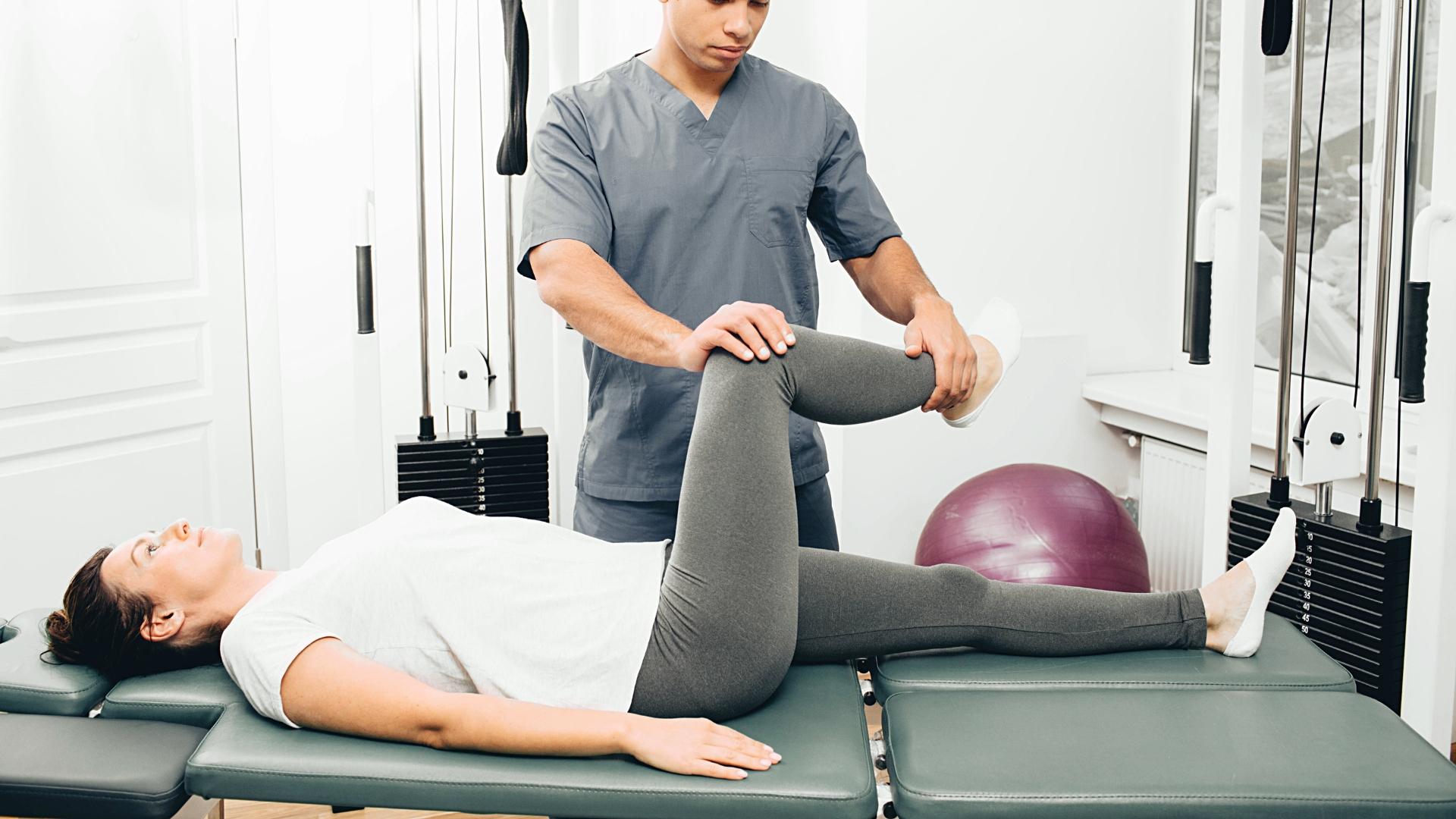
Bladder leakage is a common yet often under-discussed concern that can affect individuals of different ages and activity levels. Some people notice small amounts of leakage during coughing, sneezing, laughing, or exercise, while others experience urgency that makes it difficult to reach the bathroom in time. Although many assume this is simply something to live with, pelvic floor physiotherapy Edmonton focuses on understanding the muscle coordination and pressure management factors that may contribute to bladder control challenges and how physiotherapy may support improved function.
The pelvic floor is a group of muscles and connective tissues that support the bladder, uterus or prostate, and rectum. These muscles play a key role in maintaining continence by responding automatically to changes in abdominal pressure. When functioning well, they contract and relax in coordination with breathing and core muscles. Pelvic floor physical therapy Edmonton evaluates how timing, strength, endurance, and relaxation patterns influence bladder support during everyday activities.
Bladder leakage may occur when pelvic floor muscles are underactive and unable to generate sufficient support during sudden increases in pressure. This type of leakage is often noticed during physical efforts such as lifting, jumping, or running. Pelvic floor physiotherapy Edmonton assesses how these muscles respond during movement and how gradual retraining may support improved coordination without focusing solely on repetitive tightening exercises.
In other cases, pelvic floor muscles may be overly tense or unable to relax fully. Constant tension can interfere with proper bladder emptying and may contribute to urgency or frequency. Pelvic floor physiotherapy recognizes that strengthening alone is not always appropriate and instead focuses on restoring balanced muscle function. This may involve breathing retraining, posture awareness, and gentle movement strategies to improve relaxation patterns.
Breathing mechanics are closely linked to bladder control. The diaphragm and pelvic floor move together during inhalation and exhalation, helping regulate internal pressure. Shallow breathing or frequent breath holding may disrupt this coordination, placing additional strain on the pelvic floor. Pelvic floor physical therapy Edmonton includes education on how breathing patterns influence continence and how subtle adjustments may support more efficient muscle response.
Posture also plays a role in bladder support. Prolonged sitting with slouched posture or standing with uneven weight distribution may change how pressure is managed through the pelvis. Pelvic floor physiotherapy Edmonton considers how spinal alignment and daily movement habits affect muscle activation patterns and bladder control during routine activities.
Hormonal changes, pregnancy, childbirth, aging, or prostate surgery may all influence pelvic floor function. Tissue flexibility and muscle tone can shift during these life stages, affecting continence. Pelvic floor physiotherapy adapts care strategies based on these individual factors rather than applying a one-size-fits-all approach.
Activity level is another important consideration. High-impact exercise may challenge pelvic floor endurance if coordination is not fully restored. Pelvic floor physical therapy Edmonton supports gradual progression back to fitness routines, focusing on how the pelvic floor responds during increasing levels of load and intensity.
Education is a central part of pelvic floor physiotherapy. Understanding how the bladder fills, signals urgency, and responds to muscle activation may reduce anxiety around leakage episodes. When individuals understand the mechanics behind their symptoms, they may feel more confident engaging in daily activities and exercise.
It is also important to address lifestyle habits that influence bladder health. Fluid intake patterns, caffeine consumption, and bathroom habits may interact with pelvic floor function. Pelvic floor physiotherapy Edmonton includes guidance that helps individuals make informed choices without imposing unnecessary restrictions.
Bladder leakage may impact emotional wellbeing and social confidence. Avoiding certain activities or planning outings around bathroom access can influence quality of life. Pelvic floor physical therapy Edmonton acknowledges these broader impacts and focuses on restoring movement confidence and functional independence through supportive care.
Addressing bladder leakage early may help prevent compensatory movement patterns or increased muscle tension from developing over time. Pelvic floor physiotherapy emphasizes gradual, individualized progression based on how the body responds rather than fixed expectations.
Before concluding, individuals experiencing bladder leakage and seeking professional guidance may explore available services at Momentum Spine & Sports Physiotherapy.
Momentum Spine & Sports Physiotherapy provides pelvic floor physiotherapy Edmonton and pelvic floor physical therapy Edmonton within a supportive clinical environment. The clinic offers direct billing, most insurance covered services, same day appointment availability, no referrals needed, walk-in patients welcome, free parking, and wheelchair accessibility. If bladder leakage is affecting your daily comfort or activity confidence, you may consider booking a visit through Momentum Appointments to learn how pelvic floor physiotherapy may support improved coordination and functional control.

 English