


 SPARK Website
How to Make Your Designs Look Perfect on Fabric
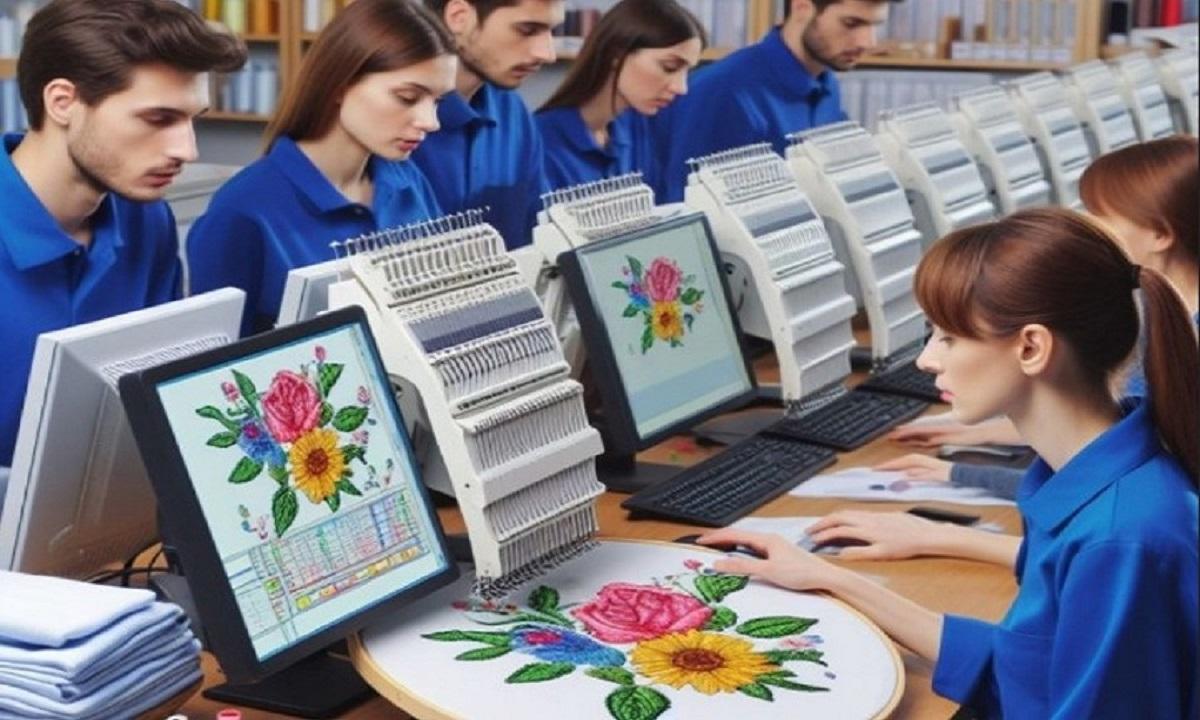
Getting a design to look perfect on fabric is not always easy. A design can look great on a screen, but once it is stitched or printed, things can change. Lines may look shaky. Colors may shift. And details may disappear.
This is a common problem in embroidery and fabric work. The good news is that it can be fixed with the right steps. Many professionals rely on Embroidery Digitizing Services to turn artwork into clean, fabric-ready designs that stitch smoothly and look sharp on any material.
Why Fabric Changes Your Design Look
The fabric is not flat like a screen. It moves, stretches, and reacts to stitches.
What Happens on Fabric
-
Designs may shrink or stretch
-
Colors may look different
-
Stitch lines may shift
-
Small details may disappear
Why This Happens
-
Fabric texture
-
Thread tension
-
Stitch density
-
Design complexity
Understanding Fabric Types
Every fabric behaves differently. Knowing this helps you get better results.
Cotton Fabric
Cotton is soft and stable.
Features:
-
Easy to stitch
-
Holds design well
Best For:
-
T-shirts
-
Bags
-
Towels
Polyester Fabric
Polyester is smooth and slightly stretchy.
Features:
-
Light texture
-
Can shift slightly during stitching
Best For:
-
Sportswear
-
Uniforms
Denim Fabric
Denim is thick and strong.
Features:
-
Heavy texture
-
Needs strong stitches
Best For:
-
Jackets
-
Jeans
Stretch Fabric
This fabric is flexible.
Features:
-
High stretch
-
Needs careful handling
Best For:
-
Activewear
-
Fitness clothing
Step-by-Step Guide to Make Designs Perfect on Fabric
Let’s go step by step in simple words.
Step 1: Start with Clean Artwork
Always begin with a clean design.
Tips:
-
Use high-quality images
-
Avoid blurry edges
-
Keep shapes simple
Clean input gives clean output.
Step 2: Choose the Right Size
Size is very important for fabric work.
Why It Matters:
-
Small designs lose detail
-
Large designs may distort
Always plan size before stitching.
Step 3: Simplify the Design
Simple designs always work better.
What to Do:
-
Remove tiny details
-
Avoid thin lines
-
Keep bold shapes
Step 4: Pick Proper Stitch Types
Different areas need different stitches.
Common Types:
-
Satin stitch for edges
-
Fill stitch for large areas
-
Running stitch for outlines
Step 5: Adjust Stitch Density
Density controls stitch tightness.
Balance Is Key:
-
Too dense = stiff fabric
-
Too loose = gaps
Step 6: Use Underlay Stitches
Underlay is the hidden base layer.
Benefits:
-
Supports design
-
Prevents shifting
-
Improves smoothness
Step 7: Set Stitch Direction
Direction changes how design looks.
Benefits:
-
Better shine
-
Smooth finish
-
Clean flow
Common Problems on Fabric and Fixes
Even good designs can face issues.
Design Looks Blurry
Why:
-
Low resolution
-
Poor digitizing
Fix:
-
Use high-quality files
-
Improve stitch setup
Fabric Puckering
Why:
-
Too many stitches
-
Weak underlay
Fix:
-
Reduce density
-
Add support layers
Thread Breaks
Why:
-
High tension
-
Wrong needle
Fix:
-
Adjust machine settings
-
Use proper needle
Color Looks Different
Why:
-
Fabric tone
-
Lighting effect
Fix:
-
Test thread colors
-
Use proper matching
Tips from Real Experience
From real embroidery work, small changes make big results.
Always Test First
Never skip test stitching.
Keep Designs Balanced
Do not overload one area.
Match Fabric and Design
Not every design fits every fabric.
Role of Digitizing in Fabric Design
Digitizing is the most important step.
What It Does:
-
Converts design into stitch file
-
Controls stitch flow
-
Adjusts fabric behavior
Good digitizing = perfect fabric output.
Why Fabric Choice Matters So Much
Fabric decides final look.
Light Fabrics:
-
Show detail clearly
-
Need light stitching
Heavy Fabrics:
-
Need strong support
-
Can handle dense stitching
Machine Settings That Affect Fabric Results
Even good design needs correct settings.
Speed Settings
Too fast can damage design quality.
Needle Type
Wrong needles can break fabric.
Thread Tension
Incorrect tension causes uneven stitches.
Importance of Testing Before Final Work
Testing saves time and material.
What to Check:
-
Design alignment
-
Stitch flow
-
Fabric reaction
Always use similar fabric for testing.
How Experts Make Designs Look Perfect
Experts follow a clear process.
Step 1: Study Fabric
They check fabric type first.
Step 2: Adjust Design
They modify size and density.
Step 3: Test Stitch
They run sample tests before final work.
A trusted name like Absolute Digitizer follows this process carefully to ensure every design looks perfect on fabric.
Benefits of Professional Help
Working with experts gives better results.
Better Quality
Clean and sharp designs.
Saves Time
No need for repeated fixes.
Consistent Output
Same quality every time.
Services like Absolute Digitizer ensure your designs are fully optimized for fabric use.
Common Mistakes to Avoid
Avoid these simple errors.
Ignoring Fabric Type
Each fabric needs different settings.
Skipping Testing
Testing prevents big problems.
Overcomplicated Designs
Simple designs always look better.
How to Improve Fabric Results Over Time
Consistency is key.
Learn from Each Project
Check what worked.
Keep Files Clean
Save final versions properly.
Stay Updated
Use modern tools and methods.
Final Thoughts
Making your designs look perfect on fabric takes care and practice. Fabric is not like a screen. It reacts to every stitch, every thread, and every setting.
Start with a clean design. Keep it simple. Match it with the right fabric. Always test before final use.
If you want smooth, sharp, and professional results, expert help is a smart choice. A trusted service like Absolute Digitizer can prepare your designs in a way that they look perfect on any fabric.
With the right steps, your designs will always look clean, balanced, and professional on every material.

 English