


 SPARK Website
Assam State Transmission Companies Supporting Energy Network
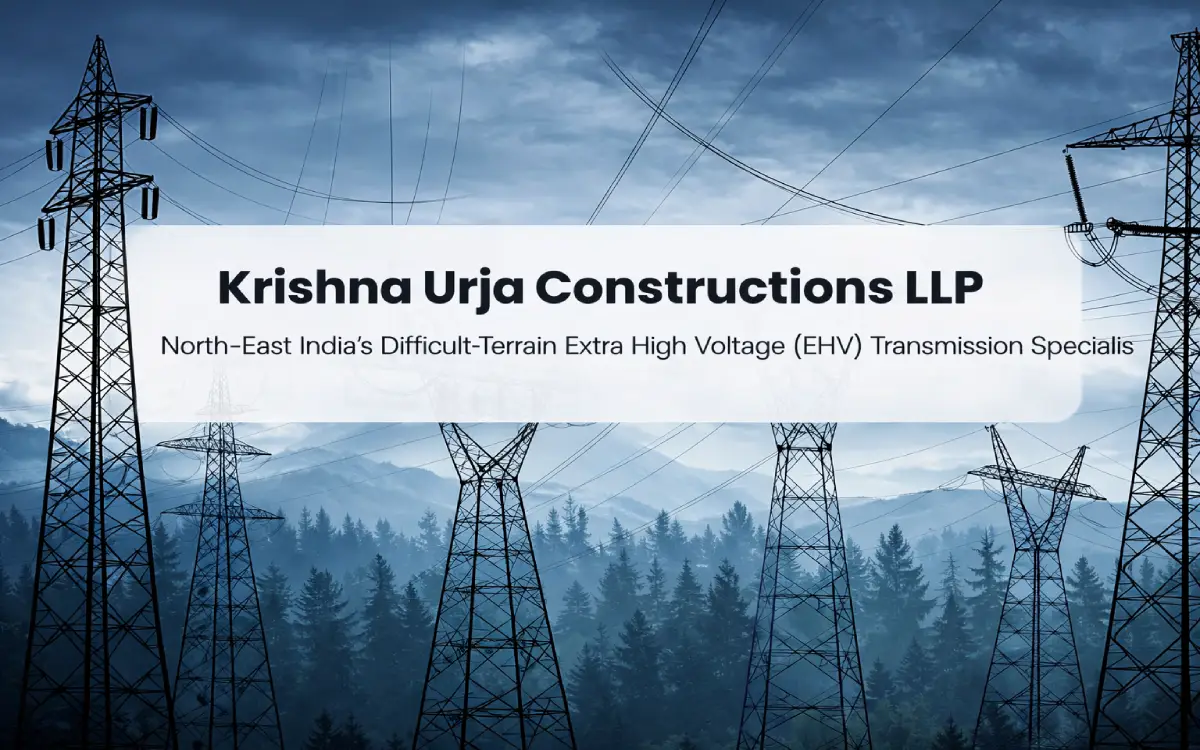
Electricity is one of the most important needs in modern life. Homes, schools, hospitals, farms, factories, and offices all depend on power every day. But electricity is useful only when it reaches people safely and on time. This is where Assam State Transmission Companies play a major role in building and supporting the energy network.
These companies help move electricity from power generation plants to substations and then to local distribution systems. Without a strong transmission network, power supply can become weak, unstable, or unavailable in many areas. In a growing state like Assam, transmission systems are essential for development, business growth, and better living standards.
Understanding the Power Transmission Network
Electricity is generated at power plants using water, gas, coal, solar, and other energy sources. Once power is produced, it must travel long distances before reaching homes and industries. Transmission lines and substations are used for this purpose.
Transmission networks are designed to carry electricity at high voltage. High voltage helps reduce energy loss during travel. After electricity reaches substations, the voltage is lowered and then sent through local distribution lines.
This process may sound simple, but it requires planning, engineering, safety systems, maintenance, and skilled workers. That is why transmission companies are such an important part of the power sector.
Why Assam Needs Strong Transmission Support
Assam is an important state in Northeast India with growing cities, industries, tea gardens, agriculture, and transport systems. As development increases, electricity demand also rises. A strong transmission system supports this growth.
Some key reasons Assam needs a reliable transmission network include:
Growing Population
More people means more homes, more lighting needs, more appliances, and more demand for electricity.
Industrial Expansion
Factories, manufacturing units, refineries, and commercial centers need continuous power to operate smoothly.
Rural Electrification
Many villages and remote areas need strong networks to ensure power reaches every household.
Smart Infrastructure
Modern roads, railway systems, digital centers, and healthcare facilities need dependable electricity.
Renewable Energy Integration
Solar and other renewable power sources need transmission support to connect with the main grid.
Main Functions of Transmission Companies
Transmission companies do much more than install electric towers. Their work includes many technical and management responsibilities.
Planning the Network
Experts study present and future demand. They decide where new substations, towers, and lines are required.
Designing Systems
Engineers prepare layouts for transmission lines, substations, safety systems, and equipment.
Construction Work
Teams build towers, install conductors, transformers, and related infrastructure.
Operation and Monitoring
Once systems are active, they are monitored regularly to ensure smooth performance.
Maintenance Services
Transmission lines and substations need inspection, repair, and upgrades from time to time.
Emergency Response
During storms, floods, or technical faults, teams act quickly to restore supply.
Importance of Transmission Lines in Assam
Transmission lines are the backbone of the electricity network. They carry large amounts of power over long distances. In Assam, these lines are especially important because of geography, weather conditions, and spread-out population centers.
Connecting Cities and Towns
Major cities need constant power for homes, markets, hospitals, and offices.
Reaching Rural Regions
Remote villages need properly designed lines to receive stable electricity.
Supporting Industries
Industrial zones require uninterrupted supply for machines and operations.
Strengthening Grid Stability
Multiple transmission links help reduce overload and improve reliability.
Challenges Faced in Assam Power Transmission
Transmission projects in Assam may face several practical challenges. Good planning and expert support are needed to solve them.
Difficult Terrain
Some areas may have rivers, wetlands, forests, or uneven land. Building towers and lines in such places needs special methods.
Heavy Rainfall
Monsoon seasons can delay projects and affect maintenance work.
Storm Damage
Strong winds or lightning may damage lines and equipment.
Growing Demand
As new towns and industries develop, older systems may need expansion.
Environmental Balance
Projects must be planned carefully to reduce impact on nature and local communities.
Role of Modern Technology in Transmission Networks
Today’s transmission systems are smarter than before. New technology helps improve safety, speed, and efficiency.
Smart Monitoring Systems
Sensors and digital tools can track line health and equipment condition in real time.
Automated Substations
Modern substations can operate with better control and faster fault detection.
Drone Inspections
Drones can inspect towers and lines in hard-to-reach areas.
Energy Management Software
Digital systems help balance electricity flow and demand.
Better Safety Equipment
Modern tools improve worker safety during installation and maintenance.
Benefits of Reliable Transmission Services
When transmission systems are strong, many sectors benefit.
Better Household Supply
Families enjoy stable lighting, cooling, internet use, and appliance operation.
Improved Business Growth
Shops, offices, and industries can work without frequent interruptions.
Stronger Healthcare Services
Hospitals need dependable electricity for machines, medicines, and emergency care.
Better Education
Schools and colleges use electricity for lighting, computers, and digital learning.
Support for Agriculture
Pumps, storage systems, and rural equipment depend on power supply.
How Transmission Projects Support Assam’s Future
A reliable transmission network does more than carry electricity. It supports the future progress of the state.
Urban Development
New housing projects, malls, roads, and offices need power support.
Employment Opportunities
Large transmission projects create jobs for engineers, technicians, workers, and service providers.
Investment Growth
Businesses prefer locations with stable electricity systems.
Renewable Energy Growth
Transmission systems help connect solar plants and future green energy projects.
Better Living Standards
Stable electricity improves daily life, comfort, and productivity.
Choosing the Right Transmission Service Partner
When governments, industries, or organizations need transmission support, choosing the right company is important.
Things to look for include:
Experience
A company with proven project experience can manage work efficiently.
Technical Team
Skilled engineers and trained workers are necessary for quality results.
Safety Standards
Power projects must always follow proper safety practices.
Timely Completion
Projects should be delivered within planned schedules.
Maintenance Support
Long-term service after installation is also valuable.
Quality Materials
Strong and certified materials increase system life and reliability.
Future of Power Transmission in Assam
The coming years may bring faster development in Assam. This means higher demand for electricity across cities, towns, and rural areas. Transmission systems must grow with this demand.
Future improvements may include:
- New high-capacity transmission lines
- Smart substations
- Better rural connectivity
- Renewable energy integration
- Faster fault response systems
- Digital grid management
With these changes, Assam can build a stronger and more dependable energy future.
Importance of Skilled EPC Support
Many transmission projects are completed through EPC services. EPC means Engineering, Procurement, and Construction. In this model, one company handles planning, material supply, and project execution.
This offers several benefits:
- Better project coordination
- Faster completion time
- Quality control
- Cost efficiency
- Single-point responsibility
- Easier communication
For complex transmission networks, EPC support can be highly effective.
Conclusion
The growth of Assam depends greatly on strong and reliable electricity systems. Transmission networks connect power generation to people, industries, and services across the state. Assam State Transmission Companies play a major role in making sure this system remains efficient, safe, and future-ready.
As energy needs continue to rise, trusted infrastructure partners become more important than ever. With experience in power solutions and project execution, Krishna Urja stands ready to support modern transmission needs and contribute to a stronger energy network for Assam.

 عربي
عربي