


 SPARK Website
Why Digital Tools Are Transforming Property Management Today
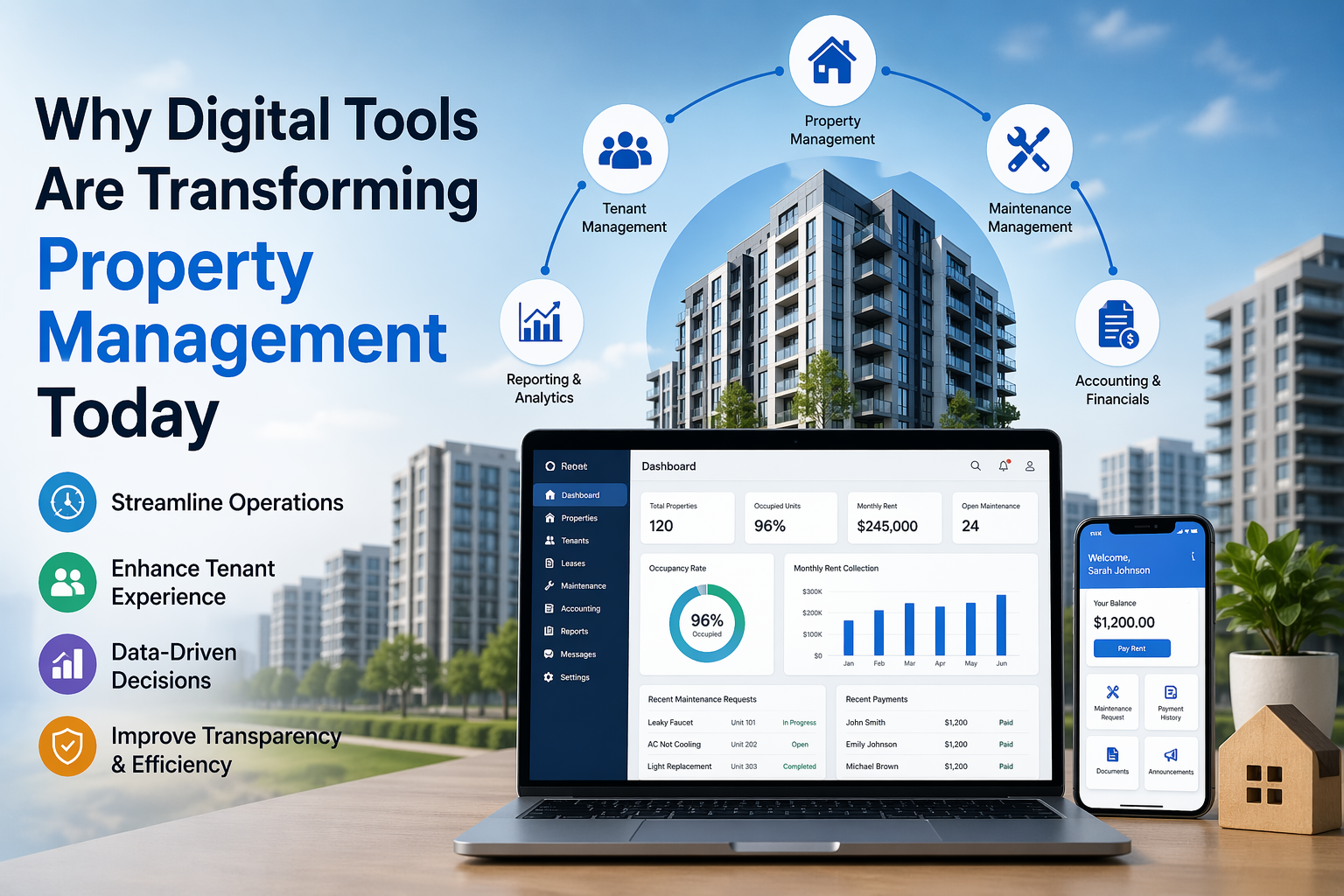
The property management landscape has undergone a significant shift in recent years, driven by rapid advancements in digital technology. From automating routine tasks to enabling data-driven decision-making, modern tools are reshaping how property managers operate and deliver value. As expectations from tenants and owners evolve, organizations are increasingly turning to technology to streamline processes, improve transparency, and enhance efficiency. This transformation is not merely a trend but a structural change that is redefining industry standards and operational models across residential, commercial, and mixed-use properties.
The Evolution of Property Management in the Digital Era
Property management has traditionally relied on manual processes, spreadsheets, and fragmented communication systems. These methods often led to inefficiencies, delayed responses, and limited visibility into operations. However, the introduction of digital tools has revolutionized the way properties are managed.
Today’s platforms integrate multiple functions into a single ecosystem, allowing managers to oversee leasing, maintenance, accounting, and tenant communication seamlessly. The emergence of property management software development has played a central role in enabling this shift, offering scalable and customizable solutions that cater to diverse property portfolios.
This evolution is not just about convenience. It reflects a broader transition toward smarter, more connected systems that align with modern business expectations and tenant demands.
Key Challenges That Digital Solutions Aim to Address
Despite the advantages of technology, the property management industry still faces several persistent challenges. Digital tools are specifically designed to tackle these issues and create more efficient workflows.
Some of the most common challenges include:
-
Inefficient manual record-keeping and data duplication
-
Lack of real-time communication between stakeholders
-
Difficulty in tracking maintenance requests and resolutions
-
Financial discrepancies due to outdated accounting systems
-
Limited insights into property performance metrics
By addressing these concerns, digital platforms help organizations reduce operational friction and improve overall service quality.
How Automation Enhances Efficiency in Daily Operations
Automation is one of the most impactful aspects of digital transformation in property management. It eliminates repetitive tasks and allows professionals to focus on strategic decision-making.
Key areas where automation plays a role include:
-
Rent collection and payment reminders
-
Lease tracking and renewal notifications
-
Maintenance scheduling and vendor coordination
-
Financial reporting and expense tracking
These automated processes not only reduce human error but also ensure consistency in operations. As a result, property managers can allocate their time more effectively and improve productivity across the board.
Data-Driven Decision Making for Property Managers Today
Access to accurate and real-time data has become a cornerstone of modern property management. Digital tools provide detailed analytics that help managers make informed decisions.
With centralized dashboards and reporting systems, professionals can:
-
Monitor occupancy rates and rental trends
-
Analyze tenant behavior and preferences
-
Track maintenance costs and operational expenses
-
Forecast future revenue and investment opportunities
The insights derived from these systems enable better planning and resource allocation. Organizations that invest in property management software development gain a competitive advantage by leveraging data to optimize performance and minimize risks.
Enhancing Tenant Experience Through Smart Technologies
Tenant expectations have evolved significantly, with convenience and responsiveness becoming key priorities. Digital tools play a crucial role in meeting these expectations and improving overall satisfaction.
Modern platforms offer features such as:
-
Online portals for rent payments and service requests
-
Instant communication channels with property managers
-
Automated updates on maintenance progress
-
Digital lease agreements and documentation
These features create a seamless experience for tenants, fostering trust and long-term relationships. Improved tenant satisfaction often translates into higher retention rates and reduced vacancy levels.
Cost Considerations in Building Modern Digital Solutions
While the benefits of digital transformation are clear, organizations must also consider the financial implications of adopting new technologies. Understanding the property management software development cost is essential for effective planning.
Several factors influence the cost, including:
-
Complexity of features and functionalities
-
Level of customization required
-
Integration with existing systems
-
Security and compliance requirements
-
Ongoing maintenance and updates
A well-planned investment ensures that organizations achieve a balance between functionality and budget, ultimately leading to sustainable growth.
Steps to Plan and Build Effective Management Platforms
Developing a robust digital solution requires a structured approach. Organizations must carefully evaluate their needs and define clear objectives before initiating development.
For those exploring how to develop property management app, the following steps are critical:
-
Identify core requirements and user needs
-
Define key features and system architecture
-
Choose the right technology stack
-
Design intuitive user interfaces
-
Implement secure and scalable backend systems
-
Conduct thorough testing and quality assurance
-
Plan for deployment and ongoing support
By following these steps, organizations can create platforms that align with their operational goals and deliver long-term value.
Role of Custom Solutions in Industry Transformation Today
Off-the-shelf solutions may not always meet the unique needs of every property management organization. This is where bespoke software development services become increasingly valuable.
Custom-built platforms offer several advantages:
-
Tailored functionalities that match specific workflows
-
Greater flexibility for future enhancements
-
Improved integration with existing tools and systems
-
Enhanced security and data control
These solutions enable organizations to differentiate themselves in a competitive market and adapt quickly to changing industry demands. The growing demand for property management software development highlights the importance of customization in achieving operational excellence.
Future Trends Shaping the Property Management Landscape
The digital transformation of property management is far from complete. Emerging technologies continue to shape the future of the industry, introducing new possibilities and opportunities.
Some key trends to watch include:
-
Integration of artificial intelligence for predictive analytics
-
Use of Internet of Things devices for smart property monitoring
-
Adoption of cloud-based platforms for scalability
-
Implementation of blockchain for secure transactions
-
Increased focus on sustainability and energy efficiency
These innovations will further enhance efficiency, transparency, and user experience, making digital tools an indispensable part of property management.
Conclusion
Digital tools have fundamentally reshaped the way property management operates, introducing efficiency, transparency, and adaptability into a traditionally manual industry. By embracing technology, organizations can streamline operations, improve tenant satisfaction, and make more informed decisions. As the industry continues to evolve, those who invest in modern solutions will be better positioned to navigate challenges and capitalize on emerging opportunities.

 عربي
عربي