


 SPARK Website
How Soon Do Hair Loss Treatments Show Results?
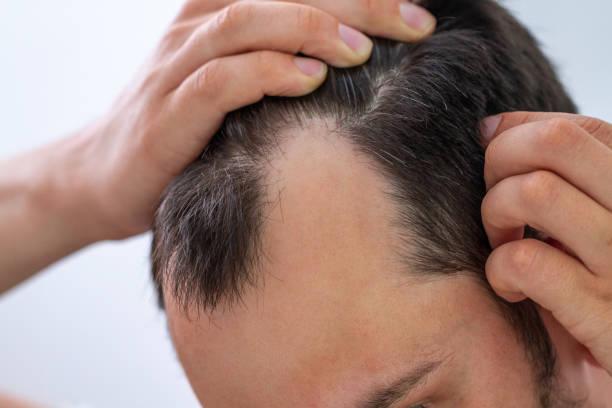
Hair growth is a slow biological process, and any effective Hair Loss Treatment works by supporting the natural hair cycle rather than producing overnight results. Hair follicles go through phases of growth, rest, and shedding, and treatments need time to influence these cycles.
- Hair grows in cycles, not continuously
- Follicles need time to respond to treatment
- Visible changes happen gradually
- Early improvement is often subtle
The importance of consistency
Most treatments require regular and consistent use to show noticeable improvement. Skipping applications or stopping early can delay or reduce results, even when using a well-planned Hair Loss Treatment strategy.
- Daily or scheduled use is essential
- Results build over time
- Interruptions slow progress
- Patience improves success rate
Typical Timeline for Hair Loss Treatment Results
First 1 to 2 months: early adjustment phase
In the initial stage, the scalp begins to adjust to treatment. Some people may even notice temporary increased shedding as weak hairs fall out before stronger ones grow in.
- Possible temporary shedding phase
- Scalp begins responding to treatment
- No major visible changes yet
- Follicles start reactivation process
3 to 4 months: early visible changes
This is usually when early signs of improvement start appearing. Hair may look slightly thicker, and shedding may reduce. Many individuals begin noticing progress from their Hair Loss Treatment at this stage.
- Reduced hair fall
- Slight improvement in density
- New fine hair growth may appear
- Scalp health begins improving
5 to 6 months: noticeable improvement phase
At this stage, changes become more visible. Hair thickness increases, and thinning areas may start to show better coverage.
- Clear reduction in hair thinning
- Stronger and healthier strands
- Improved scalp coverage
- More consistent growth patterns
6 to 12 months: full results phase
Significant results are usually seen after consistent treatment over several months. Hair density improves, and overall scalp appearance becomes healthier.
- Visible hair regrowth in many cases
- Improved hair volume and texture
- Stabilized hair loss pattern
- Long-term maintenance becomes important
Factors That Affect Treatment Speed
Type and severity of hair loss
The stage of hair loss plays a major role in how quickly results appear. Early-stage cases respond faster compared to advanced thinning or long-term bald areas.
- Early stages show quicker response
- Advanced loss takes longer or limited results
- Active follicles are necessary
- Timely treatment improves outcomes
Type of treatment used
Different Hair Loss Treatment options work at different speeds. For example, topical solutions, medications, and clinical therapies all have varying response times.
- Topical treatments take gradual effect
- Medical treatments show steady improvement
- Clinical therapies may accelerate results
- Combination treatments often work best
Individual response and genetics
Every person responds differently based on genetics, health, and lifestyle. Some may see faster improvement, while others need more time.
- Genetic factors influence response
- Overall health impacts results
- Scalp condition plays a role
- Consistency improves success rate
How to Improve Treatment Results
Following a consistent routine
Sticking to a proper schedule is one of the most important factors in achieving better outcomes with any Hair Loss Treatment plan.
- Regular application or sessions
- Avoid skipping treatments
- Follow professional guidance
- Maintain long-term commitment
Supporting treatment with healthy habits
Lifestyle changes can significantly enhance results and support faster recovery.
- Balanced diet rich in nutrients
- Proper hydration
- Stress management
- Adequate sleep
Combining multiple approaches
In many cases, combining treatments leads to faster and more effective results.
- Medical and topical combinations
- Clinical therapies with home care
- Personalized treatment plans
- Professional supervision improves outcomes
What to Expect Realistically
Gradual improvement instead of instant change
Hair restoration is a slow process, and realistic expectations are important. Most successful Hair Loss Treatment plans focus on gradual improvement rather than quick fixes.
- Slow but steady progress
- Visible change over months
- Long-term commitment required
- Maintenance is essential
Maintenance after results appear
Even after improvement, continued care is often needed to maintain results and prevent future hair loss.
- Ongoing treatment may be needed
- Prevents relapse of hair fall
- Maintains hair density
- Supports long-term scalp health
Conclusion
Hair loss treatments take time to show visible results because they work by supporting natural hair growth cycles. Most individuals begin noticing early improvements within a few months, with more significant changes appearing over time. Consistency, early intervention, and the right approach all play a crucial role in achieving successful outcomes with any Hair Loss Treatment plan.
Book Your Appointment
If you are struggling with hair thinning or slow hair growth, professional evaluation can help you understand the right timeline and treatment for your condition. At Royal Clinic Saudia, specialists design personalized Hair Loss Treatment plans to help you achieve healthier, stronger, and fuller-looking hair with realistic and effective results.
FAQs:
How soon do hair loss treatments start working?
Most treatments begin showing early signs within 2 to 4 months, but visible results take longer depending on the individual.
Why does hair sometimes shed more at the beginning of treatment?
This is a normal phase where weak hairs fall out to make room for stronger regrowth.
Can results be faster with combination treatments?
Yes, combining therapies under professional guidance can improve and speed up results in many cases.
Do all people respond to hair loss treatments the same way?
No, results vary depending on genetics, health, and stage of hair loss.

 عربي
عربي