


 SPARK Website
Roofing Machines: Streamlining Roofing Panel Production
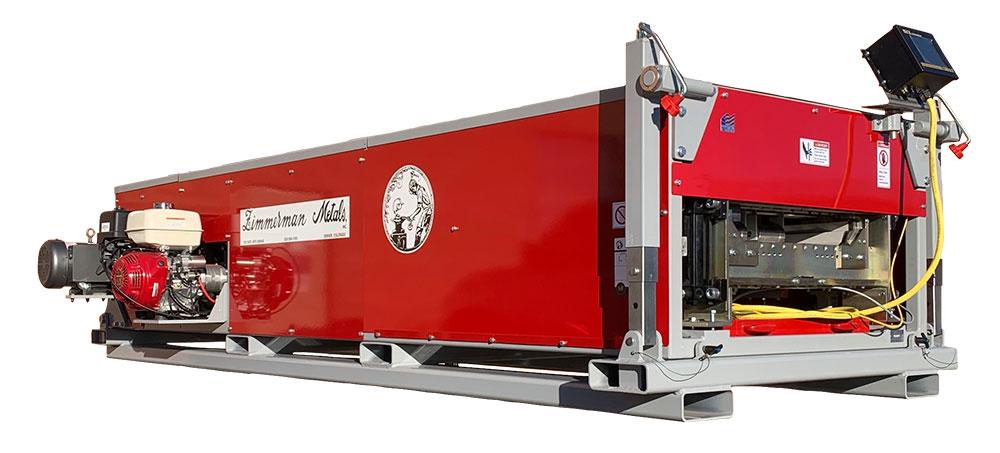
In the construction and roofing industry, efficiency and precision are critical. With rising demand for high-quality roofing materials, manufacturers and contractors need tools that can keep up with production needs while maintaining consistent quality. Roofing machines have emerged as essential equipment in this process, streamlining the production of roofing panels and transforming how roofs are manufactured.
Understanding Roofing Machines
Roofing machines are specialized pieces of equipment used to fabricate roofing panels from metal coils or sheets. These machines work by feeding raw metal through a series of rollers that gradually form the desired profile, such as standing seam panels, corrugated sheets, or trapezoidal designs.
Once the metal is shaped, the machine cuts panels to precise lengths based on project requirements. This seamless process eliminates the inefficiencies of manual cutting, reduces material waste, and allows manufacturers to produce panels consistently with minimal errors.
Roofing machines are widely used in industrial facilities, commercial supply operations, and even on-site construction projects where on-demand panel production is needed.
Key Benefits of Roofing Machines
The adoption of roofing machines has brought multiple benefits to contractors, manufacturers, and the construction industry as a whole.
1. Increased Production Speed
One of the most significant advantages of using roofing machines is the speed of production. Manually cutting and shaping metal panels is time-consuming and labor-intensive. Roofing machines automate the process, allowing for continuous production of uniform panels.
This efficiency helps contractors meet tight deadlines and ensures manufacturers can fulfill large orders quickly. For commercial and industrial projects, where time is money, faster production translates into significant cost savings.
2. Precision and Consistency
Uniformity is crucial in roofing panels, as even small discrepancies can cause issues during installation. Roofing machines are designed to produce panels with exact dimensions and profiles.
Automated machines maintain the same thickness, width, and length across every panel. This level of precision reduces installation challenges, prevents leaks, and ensures that roofs maintain their structural integrity over time.
3. Reduced Material Waste
Manual fabrication often leads to errors and excess scrap. Roofing machines minimize waste by cutting panels to exact specifications. High-precision digital controls allow operators to program the exact lengths required, reducing leftover material and saving costs on raw materials.
This efficiency is particularly valuable for large projects, where small savings per panel add up to substantial reductions in overall expenses.
4. On-Site Manufacturing Flexibility
Some roofing machines are portable, making them ideal for on-site production. Contractors can bring these machines directly to a construction site, allowing panels to be fabricated on demand.
On-site manufacturing offers several advantages: it reduces the risk of damage during transport, allows for immediate adjustments to panel lengths, and ensures a perfect fit for irregular rooflines. Portable machines provide flexibility that is highly beneficial for custom projects.
Types of Roofing Machines
Roofing machines vary depending on the type of panels they produce and the production volume required. Understanding the main types helps businesses select the best equipment for their needs.
Roll Forming Machines
Roll forming machines are the most common type of roofing machine. They feed metal coils through a series of rollers that gradually shape the material into panels. Roll forming machines are capable of producing long panels with consistent profiles, making them ideal for standing seam and corrugated roofing systems.
Corrugated Sheet Machines
Corrugated machines are designed to produce wavy or ribbed panels commonly used for industrial buildings, warehouses, and agricultural structures. These panels are lightweight yet strong, making them a cost-effective option for large-scale roofing projects.
Standing Seam Machines
Standing seam roofing machines produce panels with raised seams that interlock during installation. This design provides superior weather resistance and a sleek, modern appearance. Standing seam panels are popular for both commercial and residential projects due to their durability and clean aesthetics.
Multi-Profile Machines
Some modern machines offer the flexibility to produce multiple panel styles. These machines can switch between profiles such as trapezoidal, corrugated, and standing seam, allowing contractors and manufacturers to meet diverse customer needs with a single machine.
Materials Used in Roofing Machines
Metal roofing is highly durable and long-lasting, and roofing machines are compatible with various metals:
- Steel: Strong, cost-effective, and often coated to prevent rust.
- Aluminum: Lightweight, corrosion-resistant, and ideal for coastal areas.
- Copper: Offers a premium appearance and develops a natural patina over time.
- Zinc: Highly durable, self-healing, and low-maintenance.
The choice of material depends on factors such as budget, climate, and aesthetic preference. Roofing machines are designed to work with these metals efficiently, producing panels that are ready for immediate installation.
Maintenance and Longevity of Roofing Machines
Regular maintenance is essential to ensure roofing machines operate reliably and consistently. Routine cleaning, lubrication of moving parts, and periodic inspections prevent mechanical issues and extend the lifespan of the equipment.
Proper care ensures that panels remain uniform in shape and size, maintains production speed, and avoids costly downtime. Businesses that invest in preventive maintenance often see better performance and a longer return on investment from their roofing machines.
The Future of Roofing Panel Production
Advancements in technology continue to shape the roofing industry. Modern roofing machines are incorporating digital controls, automated cutting, and smart monitoring systems. These innovations improve speed, precision, and energy efficiency.
As demand for durable, energy-efficient, and visually appealing roofing systems grows, roofing machines will remain a vital part of the production process. They allow manufacturers and contractors to meet higher standards while streamlining operations and reducing waste.
Conclusion
Roofing machines have revolutionized the way roofing panels are produced. By automating the shaping and cutting process, they provide unmatched speed, precision, and efficiency. From roll forming machines to portable on-site systems, these machines streamline production while delivering high-quality roofing panels for residential, commercial, and industrial projects.

 عربي
عربي