


 SPARK Website
Why Your Favorite Perfume Suddenly Smells Different
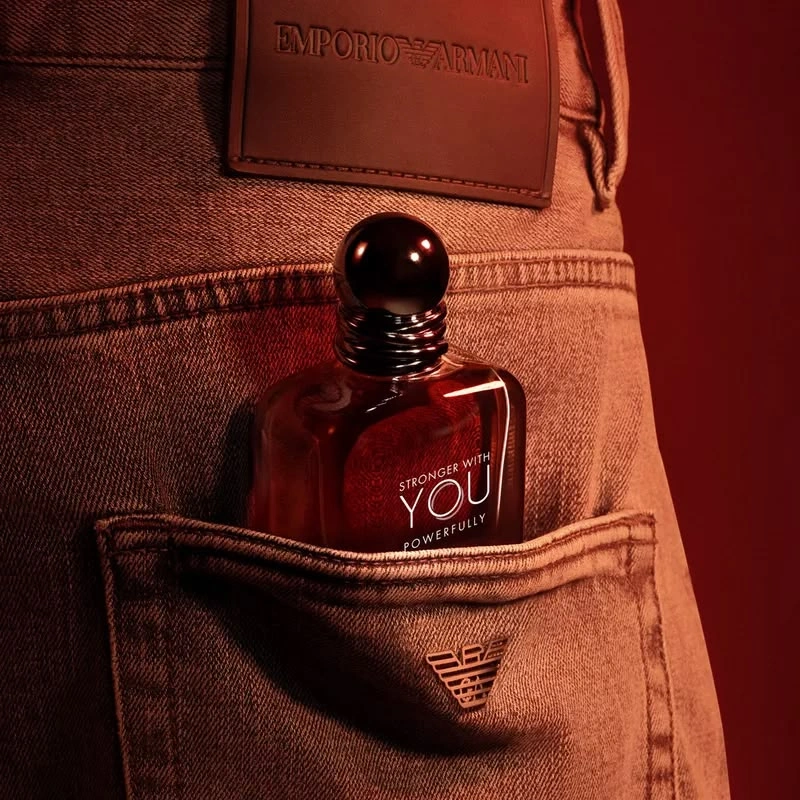
You pick up your favorite perfume.
The one you have worn for months. The one you trusted without thinking.
You spray it the same way you always do.
And something feels… off.
It is still familiar. But not quite the same.
Softer in some places. Sharper in others. Maybe even a little unfamiliar.
That moment can feel confusing.
Did the formula change
Did the perfume go bad
Or is it something else entirely
Most of the time, the answer is simpler than it seems.
Your perfume did not suddenly change on its own.
The way you experience it did.
Why Perfumes Smell Different Over Time
Perfume is not static.
It evolves every time you wear it.
And over longer periods, your experience of it can shift even more.
Your familiarity changes perception
The more you wear a fragrance, the more your brain adapts to it.
What once felt noticeable becomes normal.
Subtle details that you ignored before may now stand out.
Your expectations evolve
When you first discover a scent, it feels new.
Over time, you expect it to behave a certain way.
If it does not match that expectation exactly, it feels different.
The fragrance itself develops
Perfumes are made of layers.
Those layers unfold differently depending on time, environment, and usage.
Understanding perfume notes helps explain why a scent never feels exactly the same every time.
How Skin Chemistry Affects Your Scent
Your skin plays a bigger role than most people realize.
A fragrance does not sit on your skin. It interacts with it.
Factors that influence how a scent behaves
- Skin type
- Natural oils
- Hydration levels
- Body temperature
Why this matters
Even small changes in your skin can alter how a perfume smells.
A scent that felt warm and balanced before may feel sharper or softer now.
Changes over time
Your skin is not constant.
It changes with:
- Weather
- Diet
- Routine
These changes affect how the fragrance develops.
Understanding Perfume Notes and Changes
To truly understand why a perfume smells different, you need to understand its structure.

The role of perfume notes
A fragrance is built in layers.
Each layer has a purpose.
Top notes
These are the first impression.
They are light, fresh, and fade quickly.
Learning about the perfume top note helps you understand why the opening of a fragrance can feel different from one day to another.
Middle notes
This is where the main character develops.
It shapes how the scent feels after the opening fades.
Base notes
These last the longest.
They create the final impression and stay close to your skin.
Why this creates variation
If you focus more on one stage than another, your perception changes.
One day you may notice the freshness.
Another day, you may notice the depth.
Environmental Factors That Affect Fragrance
Your surroundings play a major role in how a scent behaves.
Temperature
In warm conditions:
- Scents feel stronger
- They spread more easily
- They may fade faster
In cooler conditions:
- Scents feel softer
- They develop more slowly
Humidity
Humidity can make a fragrance feel heavier or more noticeable.
Dry air can make it feel lighter and shorter lasting.
Airflow
Open spaces allow scents to dissipate quickly.
Closed spaces keep them more concentrated.
The Role of Oil Based Fragrances
Some perfumes behave differently because of their composition.
An oil fragrance tends to sit closer to the skin and last longer.
Why oil based scents feel different
- They develop more slowly
- They feel smoother
- They remain more consistent over time
How this affects perception
If you switch between different types of fragrances, your expectations change.
This can make a familiar scent feel different.
How Essential Oils Influence Fragrance Behavior
Many perfumes use natural components.
Understanding essential oils for perfume helps explain subtle changes.
Why natural ingredients vary
Natural elements can change slightly over time.
They are not as uniform as synthetic components.
What this means for your scent
Small variations in composition can lead to noticeable differences in how a fragrance feels.
Common Misconceptions About Perfume Performance
When a scent feels different, it is easy to assume something is wrong.
But many of these assumptions are not accurate.
Misconception one the perfume has gone bad
Most perfumes remain stable if stored properly.
A slight change in scent does not mean it is spoiled.
Misconception two the formula has changed
While reformulations happen, they are not as frequent as people think.
Misconception three your perfume is weaker
Sometimes your nose simply adapts to the scent.
You stop noticing it as strongly.
Why Your Nose Adapts to Familiar Scents
Your brain filters repeated stimuli.
This includes fragrance.
What happens over time
- You notice the scent less
- It feels softer than before
- You assume it has changed
Why this matters
The perfume may still be the same.
Your perception is what has shifted.
How to Recognize Real Changes vs Perception
It helps to observe rather than assume.
Signs of perception change
- Others still notice your scent
- The fragrance lasts as expected
- The difference feels subtle
Signs of actual change
- The scent feels significantly altered
- It develops differently over time
- It no longer resembles the original experience
How to Choose Scents That Feel Consistent
Consistency does not mean the scent never changes.
It means it feels stable enough to trust.
Look for balanced compositions
Fragrances with well structured perfume notes tend to feel more predictable.
Choose what suits your environment
A fragrance for every occasion adapts better to different settings.
Test over time
Wear a scent multiple times before deciding how it behaves.
Why Variation Is Part of the Experience
Perfume is not meant to stay the same.
It is designed to evolve.
That evolution is what makes it interesting.
The Emotional Side of Scent Changes
When a familiar fragrance feels different, it can feel personal.
You associate it with memories, moments, or routines.
A change in scent can feel like a change in those memories.
How Awareness Changes Your Experience
The moment you understand why a fragrance changes, your perspective shifts.
You stop expecting consistency.
You start appreciating variation.
Why Your Favorite Perfume Still Works
Even if it feels different, it may still suit you.
It may still fit your routine.
It may still create the impression you want.
The difference is in how you notice it.
What That Moment Really Means
When you realize your favorite perfume smells different, it is not always a problem.
It is a reminder.
A reminder that fragrance is not fixed.
It moves, it adapts, and it interacts with you in ways that change over time.
And once you understand that, the experience becomes deeper, not confusing.
Why Your Mood Changes How You Smell a Perfume
This is something most people never consider.
Your emotional state can change how a fragrance feels to you.
The scent itself may not have changed at all, but your perception of it has.
When you feel calm
Soft and subtle notes feel more noticeable.
The fragrance may feel smoother and more balanced.
When you feel stressed
Sharper elements stand out more.
The same scent can feel stronger or even overwhelming.
When you feel confident
Deeper notes feel richer.
The fragrance feels more complete and satisfying.
This is why the same perfume can feel different on different days, even if everything else stays the same.
The Role of Memory in Scent Perception
Scent is closely tied to memory.
A fragrance you wear often becomes connected to specific moments.
Over time, those associations can change.
What this means
- A scent that once felt comforting may feel neutral
- A fragrance linked to a memory may feel stronger emotionally
- Your reaction becomes influenced by experience, not just smell
This emotional layer makes perfume feel more personal and less predictable.
Why You Notice Changes More With Familiar Perfumes
When you wear a new fragrance, you focus on the overall impression.
But when you wear a familiar one, you begin to notice details.
What changes
- You pick up subtle shifts in the scent
- You notice how it develops differently
- You become more aware of small variations
This increased awareness can make it seem like the perfume has changed, when in reality you are simply noticing more.
How Application Habits Affect Your Experience
Even small changes in how you apply perfume can affect how it smells.
Things that make a difference
- The number of sprays
- The distance from your skin
- The areas where you apply it
Applying the same perfume differently can create a different experience.
Why Layering Can Change a Familiar Scent
If you use other scented products, they interact with your perfume.
This includes:
- Lotions
- Body washes
- Hair products
What happens when you layer
- The scent becomes more complex
- Certain notes become more noticeable
- The overall feel changes
This can make a familiar fragrance feel new or slightly different.
The Impact of Storage on Your Perfume
How you store your fragrance matters more than most people think.
Factors that affect stability
- Heat
- Light
- Air exposure
What poor storage can do
- Alter the scent slightly
- Affect how the notes develop
- Change the balance over time
Keeping your perfume in a cool and stable place helps maintain its original character.
Why Seasonal Changes Matter More Than You Think
Your environment shifts throughout the year.
And your perfume reacts to those changes.
In warmer months
- Scents feel brighter
- Fresh notes stand out more
- Longevity may decrease
In cooler months
- Deeper notes feel stronger
- The scent feels more grounded
- It may last longer
This seasonal shift can make the same perfume feel like two different experiences.
How to Reconnect With a Perfume That Feels Different
If a fragrance no longer feels the same, it does not mean you need to replace it.
Sometimes, you just need to experience it differently.
Try a different approach
- Apply it in a new way
- Wear it in a different setting
- Give it time without overthinking
This can help you rediscover what you liked about it.
Why Not Every Change Is Negative
A different experience is not always a bad one.
Sometimes, it reveals something you did not notice before.
What you might discover
- A note you overlooked
- A stage of the fragrance you did not appreciate
- A new way the scent fits your mood
This makes the fragrance feel more dynamic.
How Awareness Leads to Better Choices
When you understand why perfumes feel different, you make better decisions.
You stop assuming something is wrong.
You start observing what is happening.
What this awareness gives you
- More accurate expectations
- Better understanding of your preferences
- More confidence in your choices
The Difference Between Change and Mismatch
There is a difference between a perfume changing and a perfume no longer fitting you.
A change means
- The scent feels slightly different
- You notice new aspects
A mismatch means
- The scent no longer feels comfortable
- It does not suit your current style or routine
Recognizing this difference helps you decide what to do next.
Why Your Fragrance Journey Is Always Evolving
Your taste is not fixed.
It changes with time, experience, and environment.

The perfumes you love today may feel different in the future.
That is part of the process.
What That Moment Is Really Showing You
When your favorite perfume suddenly smells different, it is not just about the fragrance.
It is about awareness.
You are noticing more.
You are paying attention.
You are experiencing it differently.
And that is what makes fragrance more than just something you wear.
It becomes something you understand.

 عربي
عربي