


 SPARK Website
Bookkeeping for Small Businesses: The Hidden System That Decides Success
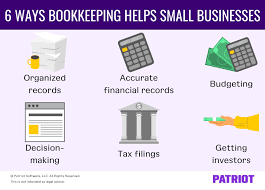
Every small business starts with an idea—but it survives on control. Not control in the sense of micromanagement, but control over money, movement, and decisions. This is where Bookkeeping for Small Businesses quietly becomes the difference between chaos and clarity.
While many entrepreneurs focus on sales, marketing, or growth hacks, the businesses that last are often the ones that understand one simple truth: if you don’t track your money properly, your business is guessing—not growing.
The Reality Most Small Businesses Face
In the early stages, bookkeeping is often treated as an afterthought. Receipts pile up, expenses blur together, and financial records become something to “fix later.”
But later comes with consequences:
-
Unclear cash flow
-
Missed tax obligations
-
Poor pricing decisions
-
Unexpected financial stress
Bookkeeping for small businesses isn’t just about staying organized—it’s about avoiding silent problems that grow over time.
Why Bookkeeping is More Than Just Recording Numbers
Many people assume bookkeeping is simply entering data into spreadsheets. In reality, it’s a system that answers critical questions:
-
Where is the money going?
-
Which areas are profitable?
-
Are expenses under control?
-
Is the business financially stable?
When done properly, bookkeeping becomes a decision-making tool, not just a record-keeping task.
A Smarter Way to Approach Bookkeeping
Instead of viewing bookkeeping as a routine chore, small businesses should treat it as a strategic habit. This means focusing on consistency, clarity, and purpose.
Build a Weekly Financial Rhythm
Rather than waiting until the end of the month, successful businesses review their finances weekly. This creates a steady rhythm where issues are identified early and corrected quickly.
Separate Business and Personal Finances
One of the most common mistakes is mixing personal and business expenses. Clear separation ensures accurate tracking and avoids confusion during reporting or tax preparation.
Focus on Cash Flow, Not Just Profit
Profit looks good on paper, but cash flow determines survival. Bookkeeping helps businesses monitor how money actually moves in and out—giving a more realistic picture of financial health.
Key Elements of Bookkeeping for Small Businesses
Effective bookkeeping includes several core components, each playing a vital role:
-
Transaction Tracking: Recording every sale and expense accurately
-
Expense Categorization: Understanding where money is being spent
-
Reconciliation: Matching records with bank statements to ensure accuracy
-
Financial Summaries: Creating simple reports that highlight performance
The value lies not just in completing these tasks—but in understanding what they reveal.
The Common Trap: Doing Everything Alone
Many small business owners try to handle bookkeeping themselves to save money. While this may work initially, it often leads to errors, missed insights, and unnecessary stress.
The smarter approach is knowing when to:
-
Use tools to automate repetitive tasks
-
Seek professional help for accuracy and compliance
-
Focus your time on growing the business instead
Bookkeeping for small businesses should support growth—not become a burden.
Turning Numbers Into Action
The real power of bookkeeping is unlocked when numbers are used to make decisions. For example:
-
If expenses are rising, adjustments can be made immediately
-
If a product is more profitable, it can be prioritized
-
If cash flow is tight, spending can be controlled early
This transforms bookkeeping from passive tracking into active business management.
Mistakes That Quietly Damage Small Businesses
Even businesses that keep records can fall into patterns that limit growth:
-
Updating books irregularly
-
Ignoring small expenses that add up over time
-
Failing to review financial reports
-
Relying on memory instead of data
Avoiding these mistakes creates a stronger financial foundation and reduces long-term risks.
The Future of Bookkeeping for Small Businesses
As technology evolves, bookkeeping is becoming faster, smarter, and more accessible. Automation tools now handle repetitive tasks, while digital platforms provide real-time financial visibility.
But the real advantage isn’t technology—it’s how businesses use it. Those who combine tools with consistent financial habits will gain clarity, control, and confidence.
Final Thoughts
Bookkeeping for Small Businesses is not just about keeping records—it’s about understanding your business at its core. It reveals what’s working, what’s not, and what needs attention.
For small business owners, the goal isn’t perfection—it’s awareness. Because once you truly understand your numbers, every decision becomes stronger, smarter, and more intentional.

 عربي
عربي