


 SPARK Website
Valve Replacement for Efficient Flow Control Systems
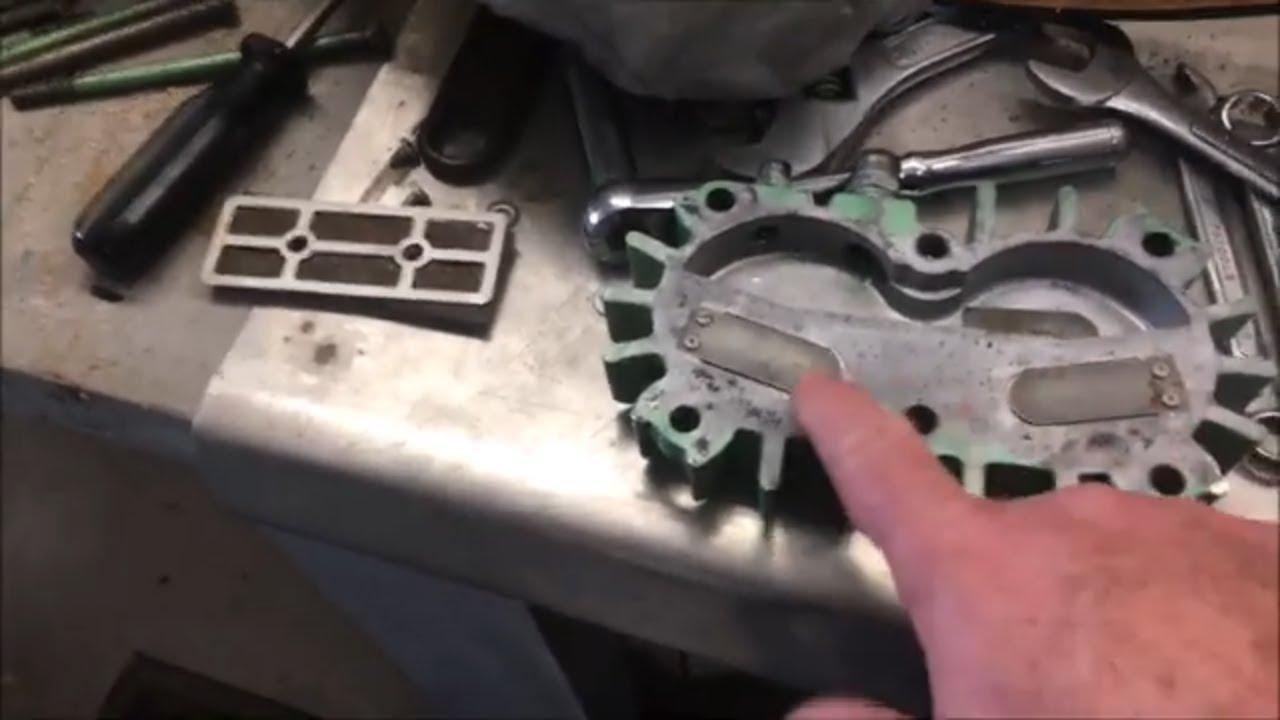
Flow control components are essential for regulating the movement of liquids and gases within mechanical and piping systems. These components help maintain pressure, manage direction, and ensure safe operation across different applications. Proper valve replacement is necessary when these control elements begin to wear out or lose functionality.
In cooling systems, plumbing networks, and industrial operations, maintaining accurate flow control is critical for system stability. When a component fails, it can disrupt pressure balance and affect the overall efficiency of the system. Ensuring that flow control elements are functioning properly helps maintain reliable performance across building infrastructure.
Causes of Wear and Performance Issues
Flow control components operate under constant pressure and temperature variations, which can gradually affect their performance. Over time, internal parts may degrade, leading to leakage or restricted movement. Corrosion is another common issue, particularly in systems exposed to moisture or chemical elements.
When deterioration occurs, the component may no longer regulate flow effectively, resulting in reduced efficiency. Timely valve replacement helps restore proper operation and prevents further damage to connected systems. Regular inspections are essential for identifying issues early and avoiding costly repairs. Understanding the causes of wear allows for better maintenance planning.
Role in Cooling and Mechanical Infrastructure
Flow control systems are widely used in cooling and mechanical infrastructure to regulate fluid movement. They ensure that water or refrigerant flows at the correct rate and pressure throughout the system. In many facilities, these systems are managed alongside services such as mechanical services UAE, where maintaining balanced flow is essential for system performance.
Proper regulation supports efficient cooling and prevents pressure related issues. These components also allow technicians to isolate specific sections of a system for maintenance. This helps ensure that repairs can be carried out without disrupting the entire operation. Reliable flow management is key to maintaining efficient system performance.
Replacement Process and System Safety
The replacement process begins with identifying components that are no longer functioning correctly. Technicians inspect the system for signs of leakage, corrosion, or reduced performance. Once a faulty unit is identified, the affected section is isolated to allow safe removal.
The damaged component is then replaced with a new one that meets system requirements. During valve replacement, proper installation is essential to ensure that the new unit operates effectively. Connections must be secure, and alignment must be accurate to maintain pressure stability. After installation, the system is tested to confirm that flow control has been restored.
Integration with Piping Networks
Flow control components are closely connected to piping systems that transport fluids throughout a building. Proper integration ensures that fluid movement remains smooth and efficient. In many cases, replacement work is carried out alongside piping services such as copper pipe installation to maintain overall system integrity.
This coordination ensures that both piping and control elements function together without issues. Accurate positioning within the piping network is essential for maintaining consistent flow and preventing pressure loss. Well integrated systems improve reliability and efficiency.
Pressure Management and System Balance
Maintaining proper pressure is critical for the performance of mechanical systems. Flow control elements help regulate pressure and ensure that fluids move evenly through the system. Faulty components can cause pressure fluctuations that affect system stability.
Replacing worn parts helps restore balance and maintain efficient operation. In cooling systems, proper pressure control also supports effective heat transfer. This ensures that equipment can maintain desired temperature levels without excessive energy use. Stable pressure contributes to overall system efficiency.
Preventive Maintenance and Longevity
Regular maintenance is essential for extending the lifespan of flow control components. Routine inspections help identify wear and tear before it leads to system failure. Maintenance activities include checking for leaks, testing functionality, and ensuring that connections remain secure.
Preventive care reduces the need for frequent replacements and helps maintain system performance. In some cases, supporting services such as pipe insulation replacement may also be required to maintain temperature stability within the system. Consistent maintenance ensures long term reliability.
Energy Efficiency and Operational Benefits
Efficient flow control plays a significant role in reducing energy consumption. When systems operate under balanced conditions, less energy is required to maintain performance. Proper valve replacement helps eliminate restrictions and leaks that may increase energy usage.
Well functioning systems operate smoothly and require fewer adjustments. Improved efficiency leads to lower operational costs and supports sustainable building practices. Optimized systems contribute to both financial and environmental benefits.
Conclusion
Flow control components are essential for maintaining stability and efficiency in mechanical systems. Proper valve replacement ensures that fluid movement remains controlled and that systems operate reliably.
With timely servicing, accurate installation, and regular maintenance, these components can support long term system performance. Maintaining effective flow control is a key part of ensuring efficient and dependable building infrastructure.

 English