


 SPARK Website
How Indoor Plants Improve Air Quality
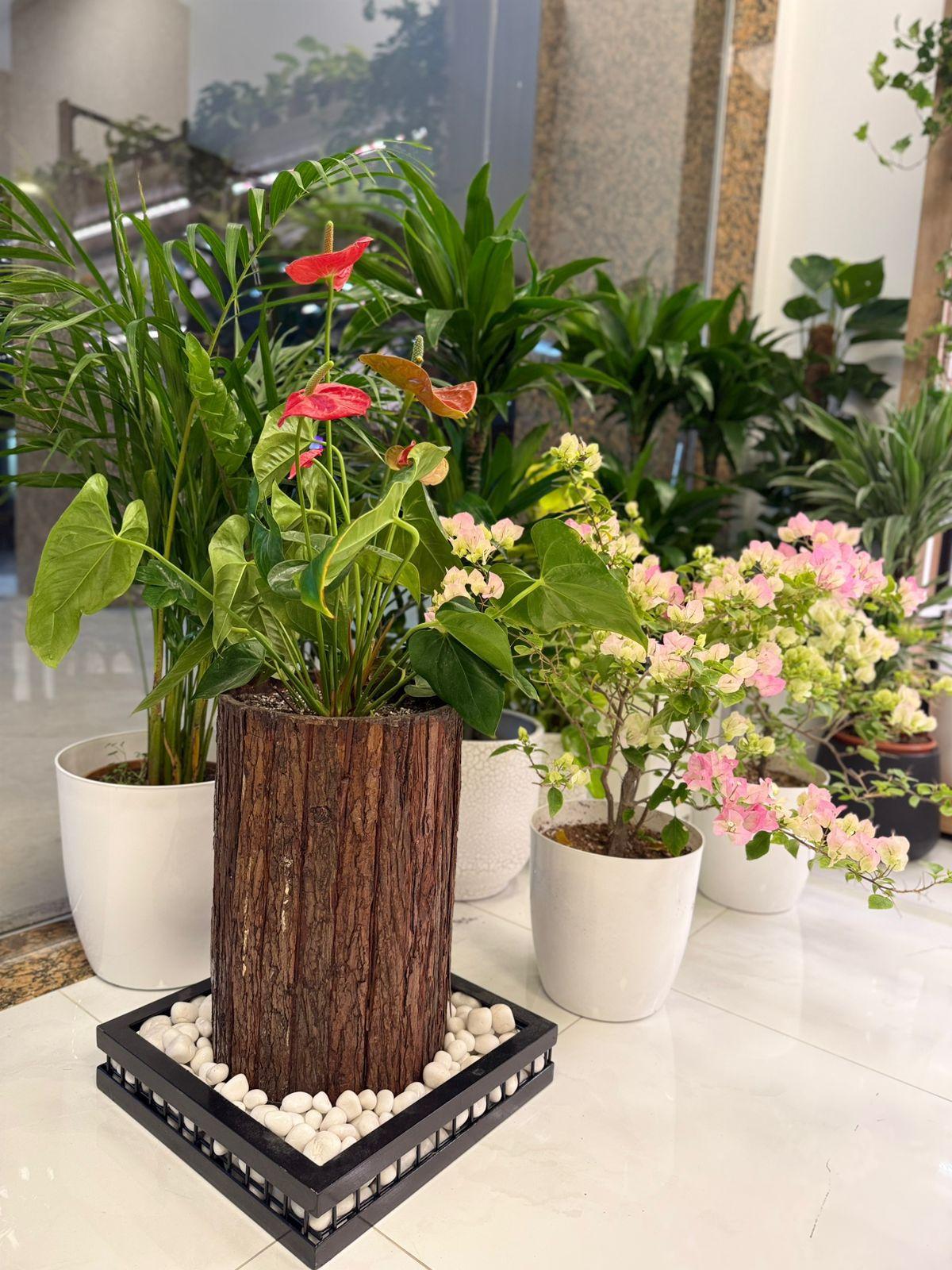
In recent years, more people have started bringing nature indoors to create healthier and more comfortable living spaces. The growing popularity of indoor plants dubai reflects a wider interest in improving home environments naturally. Indoor plants are not just decorative items that make a room look beautiful. They also play an important role in improving air quality, reducing stress, and creating a refreshing atmosphere. Whether placed in homes, offices, classrooms, or apartments, indoor plants can make a noticeable difference in the quality of the air we breathe every day.
Understanding Indoor Air Quality
Many people assume that air pollution exists only outdoors. However, indoor air can also contain pollutants that affect our health. Modern buildings are often designed to be energy efficient, which means they are sealed tightly. While this helps save energy, it can also trap pollutants indoors.
Common indoor pollutants include dust, smoke, cleaning chemicals, paint fumes, and particles released from furniture, carpets, and electronic devices. Over time, these pollutants can build up and reduce indoor air quality. Poor indoor air quality may lead to headaches, allergies, fatigue, breathing difficulties, and discomfort.
This is where indoor plants become valuable. They help create a cleaner and fresher indoor environment while adding beauty to any space.
How Plants Clean the Air
Plants naturally absorb carbon dioxide and release oxygen through a process called photosynthesis. During the day, they take in carbon dioxide from the air and use sunlight to produce energy. As a result, oxygen is released into the environment.
This natural process helps improve air quality by increasing oxygen levels. When several plants are placed indoors, they contribute to creating a healthier atmosphere.
Plants also interact with airborne pollutants. Certain pollutants can be absorbed through plant leaves and roots. Microorganisms living in the soil around plant roots can also help break down harmful substances. Together, the plant and soil create a natural filtration system.
Increasing Oxygen Levels Indoors
One of the most important benefits of indoor plants is their ability to increase oxygen levels. Oxygen is essential for human health because our bodies need it to function properly.
When indoor spaces lack fresh air circulation, oxygen levels may feel lower, making rooms feel stuffy and uncomfortable. Plants help maintain a fresher environment by continuously producing oxygen during daylight hours.
Higher oxygen levels can contribute to improved concentration, better mood, and increased comfort. This is particularly beneficial in offices, study rooms, and classrooms where people spend long periods indoors.
Reducing Airborne Pollutants
Indoor plants can help reduce certain pollutants commonly found inside buildings. Everyday products such as paints, cleaning agents, air fresheners, furniture, and carpets may release chemicals into the air.
Over time, exposure to these substances can affect indoor air quality. Plants absorb some of these compounds through their leaves and root systems. The microorganisms present in the soil also assist in breaking down pollutants.
Although plants cannot completely eliminate indoor pollution on their own, they can contribute to a cleaner environment when combined with proper ventilation and regular cleaning.
Improving Humidity Levels
Dry indoor air can cause discomfort, especially in air-conditioned environments. Low humidity levels may lead to dry skin, irritated eyes, sore throats, and respiratory discomfort.
Plants release moisture into the air through a process called transpiration. During transpiration, water moves from the roots through the plant and eventually evaporates from the leaves.
This natural release of moisture helps increase indoor humidity levels. As a result, indoor spaces may feel more comfortable and pleasant, especially during hot or dry weather conditions.
Balanced humidity can also help reduce the spread of dust particles and improve overall indoor comfort.
Helping People Breathe More Comfortably
Clean air supports healthy breathing. When indoor air contains fewer pollutants and a balanced level of humidity, people often feel more comfortable.
Indoor plants can contribute to a healthier breathing environment by reducing dust accumulation and increasing moisture in the air. This can be especially beneficial for individuals who spend most of their day indoors.
Although plants should not be considered medical treatments, they can be part of a healthy indoor lifestyle that supports overall well-being.
Reducing Dust in Indoor Spaces
Dust is one of the most common indoor pollutants. It consists of tiny particles from fabrics, furniture, skin cells, soil, and outdoor contaminants that enter through doors and windows.
Some indoor plants can help reduce airborne dust by trapping particles on their leaves. As dust settles on plant surfaces, fewer particles remain floating in the air.
Regularly cleaning plant leaves helps maintain this benefit while keeping the plants healthy and attractive.
Creating a Healthier Work Environment
Many people spend eight or more hours each day in offices. Poor indoor air quality can affect productivity, focus, and overall comfort.
Adding plants to workspaces can create a more pleasant environment. Employees often report feeling more relaxed and comfortable when surrounded by greenery.
Cleaner air, increased humidity, and improved aesthetics can contribute to better workplace satisfaction. Plants can also reduce the sterile appearance of office interiors and create a welcoming atmosphere.
Supporting Student Learning
Students spend long hours studying indoors, whether at school, college, or home. A comfortable learning environment can make a significant difference in concentration and performance.
Indoor plants can help create a calming and refreshing atmosphere that supports learning. The presence of natural elements may improve focus and reduce mental fatigue.
In classrooms, plants can also serve as educational tools by helping students learn about nature, biology, and environmental responsibility.
Reducing Stress and Mental Fatigue
The benefits of indoor plants extend beyond air quality. Research has shown that exposure to nature can help reduce stress and improve emotional well-being.
Green plants create a sense of calm and relaxation. Simply looking at natural greenery can have a positive effect on mood.
People often feel more comfortable in spaces that include natural elements. This is one reason why plants are commonly used in homes, offices, hospitals, and public buildings.
Lower stress levels can indirectly support better health by encouraging relaxation and reducing mental fatigue.
Popular Indoor Plants for Better Air Quality
Several indoor plants are commonly chosen for their air-purifying qualities and ease of maintenance.
Snake Plant
The snake plant is known for its durability and ability to survive in various indoor conditions. It requires minimal care and can tolerate low light levels.
Spider Plant
Spider plants are easy to grow and are popular among beginners. They produce attractive arching leaves and adapt well to indoor environments.
Peace Lily
Peace lilies are admired for their elegant appearance and beautiful white flowers. They are commonly used in homes and offices.
Areca Palm
The areca palm adds a tropical appearance to indoor spaces and helps increase humidity levels.
Pothos
Pothos plants are easy to maintain and grow well in a variety of indoor conditions. Their trailing vines make them attractive decorative plants.
Caring for Indoor Plants
To enjoy the air-quality benefits of indoor plants, proper care is important.
Provide Suitable Light
Different plants have different light requirements. Some thrive in bright sunlight, while others prefer indirect light.
Water Properly
Overwatering is one of the most common mistakes. Water plants according to their specific needs and ensure proper drainage.
Clean the Leaves
Dust can accumulate on leaves and reduce a plant's ability to absorb light. Wiping leaves regularly helps keep plants healthy.
Use Healthy Soil
Good-quality soil supports healthy root growth and encourages beneficial microorganisms.
Monitor Plant Health
Check plants regularly for signs of pests, yellow leaves, or other issues. Healthy plants provide the greatest benefits.
Combining Plants with Other Air Quality Measures
While indoor plants contribute to cleaner air, they work best alongside other healthy practices.
Open windows when possible to improve ventilation. Clean floors and surfaces regularly to reduce dust. Avoid smoking indoors and use cleaning products responsibly.
Air purifiers, proper ventilation systems, and regular maintenance can further improve indoor air quality. Plants should be viewed as one part of a complete strategy for creating a healthier indoor environment.
Conclusion
Indoor plants offer much more than visual beauty. They naturally improve air quality by increasing oxygen levels, helping reduce certain pollutants, adding moisture to the air, and creating a healthier indoor atmosphere. They also contribute to mental well-being by reducing stress and making spaces feel more welcoming.
Whether placed in a living room, office, classroom, or apartment, indoor plants provide a simple and natural way to enhance everyday life. With proper care and thoughtful placement, they can help create cleaner, fresher, and more enjoyable indoor environments for people of all ages.

 English