


 SPARK Website
How Ship Building Companies Build Safer, Stronger, and Smarter Ships
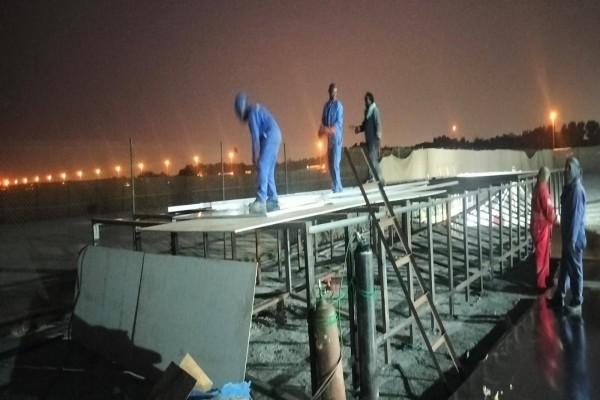
The maritime industry has evolved rapidly over the past few decades, and ship building companies play a critical role in making global transportation safer, more efficient, and technologically advanced. Every year, nearly 90% of the world's traded goods are transported by sea, making modern ships essential to international trade and economic growth.
Today's shipbuilders focus on much more than simply constructing vessels. They combine advanced engineering, premium materials, digital technology, and strict quality standards to create ships capable of operating safely in challenging marine environments. Whether carrying cargo, supporting offshore operations, or transporting passengers, modern vessels are designed to deliver maximum performance while minimizing operational risks.
Why Modern Shipbuilding Matters
The shipping industry forms the backbone of global commerce. According to the United Nations Conference on Trade and Development (UNCTAD), approximately 11 billion tons of cargo move through international shipping every year. As maritime transportation continues to expand, shipbuilders are under increasing pressure to deliver stronger, safer, and more environmentally responsible vessels.
Modern construction techniques have transformed the industry by improving durability, fuel efficiency, and onboard safety without compromising operational performance.
Building Safer Ships Through Advanced Engineering
Safety remains the highest priority during ship construction. Engineers carefully analyze every structural component before manufacturing begins.
Modern safety features include:
- Reinforced hull structures
- Fire-resistant materials
- Multiple watertight compartments
- Emergency evacuation systems
- Advanced life-saving equipment
- Structural stress simulations
Computer-based engineering software helps identify potential weaknesses before construction starts, reducing future risks and improving overall vessel reliability.
Stronger Ships Begin with Better Materials
The strength of any vessel depends on the quality of materials selected during construction.
Modern shipbuilders commonly use:
- High-strength marine steel
- Corrosion-resistant aluminum alloys
- Protective anti-corrosion coatings
- Heavy-duty structural reinforcements
These materials increase structural durability while reducing maintenance requirements and extending vessel lifespan.
Precision Manufacturing Creates Better Results
Many ship building companies in UAE are adopting precision manufacturing technologies to improve construction quality and reduce production errors.
Some of the most widely used technologies include:
- Computer-Aided Design (CAD)
- Computer-Aided Manufacturing (CAM)
- CNC cutting machines
- Robotic welding
- Laser measurement systems
Automation ensures greater construction accuracy, stronger welds, and better alignment between structural sections.
Smarter Ships Through Digital Technology
Modern vessels are becoming increasingly intelligent thanks to digital innovations.
Today's ships often include:
- GPS navigation
- Collision avoidance systems
- Fuel monitoring software
- Predictive maintenance systems
- Remote equipment diagnostics
- Real-time weather monitoring
Industry research suggests predictive maintenance can reduce unexpected equipment failures by 30–40%, helping operators improve reliability while lowering repair costs.
Sustainability Is Transforming Shipbuilding
Environmental responsibility has become a major priority across the maritime sector. According to the International Maritime Organization (IMO), shipping contributes approximately 3% of global greenhouse gas emissions, encouraging continuous improvements in vessel efficiency.
To address these challenges, ship manufacturing companies in UAE and other regions are increasingly focusing on:
- Hydrodynamic hull designs
- Energy-efficient propulsion systems
- Low-emission engines
- Ballast water treatment systems
- Waste management technologies
These innovations help reduce fuel consumption while lowering environmental impact.
Quality Control Ensures Long-Term Reliability
Every vessel undergoes strict inspections throughout construction.
Quality control processes include:
- Material testing
- Welding inspections
- Structural verification
- Pressure testing
- Electrical inspections
- Engine testing
- Comprehensive sea trials
Sea trials evaluate speed, maneuverability, braking performance, navigation systems, and emergency response capabilities before the vessel enters service.
Skilled Engineers Drive Innovation
Although automation has become increasingly important, experienced marine engineers remain essential throughout the shipbuilding process.
Their responsibilities include:
- Vessel design
- Structural analysis
- Stability calculations
- Equipment installation
- Regulatory compliance
- Final performance testing
Their expertise ensures every vessel meets international safety and operational standards.
The Future of Smart Shipbuilding
Technology continues to reshape the maritime industry. Many top shipbuilding companies are investing in innovations such as:
- Artificial Intelligence (AI)
- Digital twin technology
- Hybrid propulsion systems
- Hydrogen-powered vessels
- Methanol fuel systems
- Autonomous navigation
- Cybersecurity solutions
Industry analysts expect the smart ship market to experience strong growth over the coming years as shipping companies continue investing in automation and sustainability.
How VU Marine Supports Modern Shipbuilding
VU Marine reflects the industry's commitment to building safer, stronger, and smarter vessels by emphasizing engineering excellence, durable construction, and modern manufacturing practices. Through high-quality materials, precision fabrication, and advanced marine technologies, VU Marine supports the growing demand for reliable and efficient vessels that meet today's evolving maritime requirements.
Conclusion
Modern shipbuilding combines engineering expertise, innovative materials, precision manufacturing, and digital technology to produce vessels that are safer, stronger, and smarter than ever before. As international trade continues to grow, advanced ship construction will remain essential for supporting global commerce while improving safety, sustainability, and operational efficiency.
With continuous innovation and a strong focus on quality, the future of shipbuilding promises vessels that are more intelligent, environmentally responsible, and capable of meeting the changing needs of the global maritime industry.

 عربي
عربي