


 SPARK Website
HDPE Pipes Market
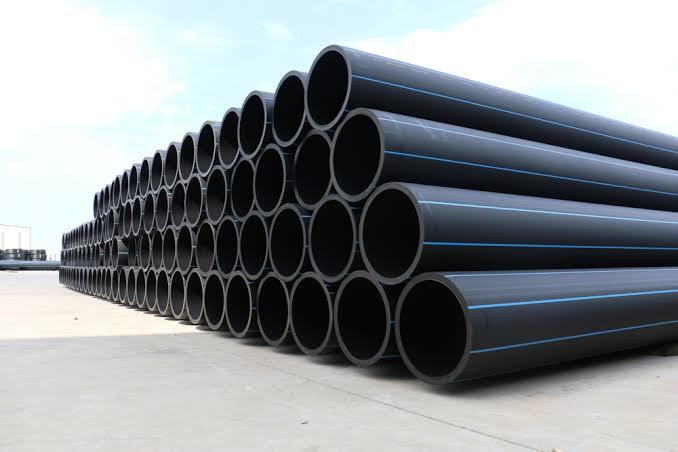
Overview of the Market
The HDPE Pipes market is expanding as governments and private organizations invest in modern water supply, wastewater management, irrigation systems, and energy infrastructure. The increasing replacement of conventional metal and concrete pipes with HDPE alternatives, coupled with smart city initiatives and sustainable infrastructure development, is expected to drive market growth throughout the forecast period. Asia-Pacific dominates the market owing to rapid infrastructure development and rising construction activities.
The global HDPE pipes market was valued at USD 24.86 billion in 2025 and is estimated to reach USD 26.79 billion in 2026, reflecting a growth rate of 7.8%. With a focus on longevity, chemical resistance, and economical infrastructure solutions, the HDPE Pipes market includes the production, distribution, and use of high-density polyethylene pipes for gas distribution, irrigation, sewage systems, water supply, and industrial pipelines. T high-density polyethylene is Ve economical and corrosion-resistant.
Access the Full Report PDF Here:
Key Market Trends
- Rising investments in water supply and wastewater infrastructure.
- Growing adoption of HDPE pipes for agricultural irrigation.
- Increasing demand from oil & gas and industrial applications.
- Expansion of smart city and urban development projects.
- Growing preference for corrosion-resistant and leak-proof piping systems.
- Technological advancements in PE100-grade HDPE pipes.
Analytical Tool
- Porter's Five Forces Analysis
- SWOT Analysis
- PESTEL Analysis
- Value Chain Analysis
- Market Attractiveness Analysis
- Competitive Landscape Assessment
Regional Analysis
- North America: Infrastructure modernization and replacement of aging water pipelines.
- Europe: Strong demand driven by environmental regulations and sustainable construction.
- Asia-Pacific: Largest and fastest-growing regional market due to rapid urbanization, industrialization, and government infrastructure initiatives.
- Latin America: Increasing investments in irrigation and municipal water projects.
- Middle East & Africa: Growing adoption in desalination, water management, and oil & gas sectors.
SWOT Analysis
Strengths
- Excellent corrosion and chemical resistance.
- Long service life with low maintenance costs.
- Lightweight and easy installation.
Weaknesses
- Price fluctuations in polyethylene raw materials.
- Performance limitations under extremely high temperatures.
Opportunities
- Expansion of water infrastructure projects.
- Growth in agricultural irrigation systems.
- Increasing investments in smart cities and gas distribution networks.
Threats
- Volatility in raw material prices.
- Competition from alternative piping materials.
- Environmental concerns regarding plastic waste management.
PESTEL Analysis
- Political: Government investments in water and sanitation infrastructure.
- Economic: Rising infrastructure spending and industrial development.
- Social: Growing demand for reliable water distribution systems.
- Technological: Advancements in PE100 and high-performance HDPE pipe manufacturing.
- Environmental: Demand for sustainable, recyclable, and leak-proof piping solutions.
- Legal: Compliance with international quality and environmental standards.
Market Share, Key Players, Challenges and Future Opportunities
Key Players
- JM Eagle
- Aliaxis
- Wavin
- Chevron Phillips Chemical Company
- Advanced Drainage Systems
- WL Plastics
- LESSO
- Pipelife International
- Jain Irrigation Systems Ltd.
- Supreme Industries Ltd.
Challenges
- Fluctuating resin prices.
- Intense competition among manufacturers.
- Regulatory compliance for quality and environmental standards.
- Supply chain disruptions affecting raw materials.
Future Opportunities
- Expansion of municipal water supply and sewerage networks.
- Increasing use in renewable energy and industrial projects.
- Rising demand for trenchless pipeline installation.
- Infrastructure development across emerging economies.

 عربي
عربي