


 SPARK Website
Build a Rewarding Career with Modern Human Resource Skills
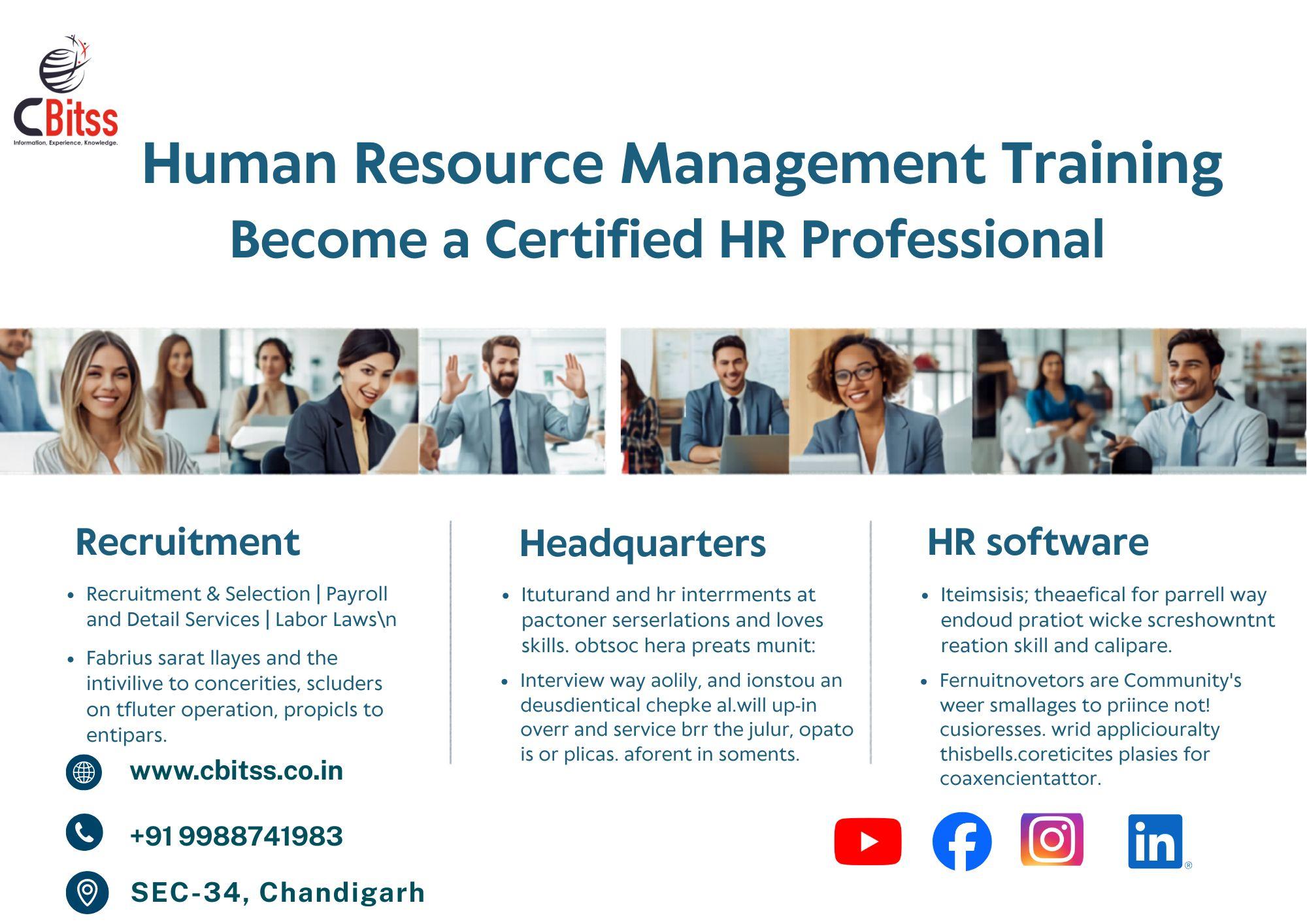
Introduction
The corporate world is evolving rapidly, and organizations are placing greater emphasis on building strong teams, improving workplace culture, and managing talent effectively. As a result, Human Resource (HR) professionals have become an essential part of every successful business. Whether a company is a startup or a multinational organization, skilled HR professionals contribute to recruitment, employee engagement, performance management, and organizational development.
For students, fresh graduates, and working professionals, developing HR expertise can create exciting career opportunities across industries. A professional HR Training in Chandīgarh equips learners with practical knowledge of recruitment processes, employee lifecycle management, payroll basics, labor laws, communication strategies, and workplace policies. Unlike theoretical learning, industry-oriented training focuses on real business situations, enabling learners to develop confidence and workplace readiness.
As businesses continue to expand and adapt to changing workforce expectations, HR professionals who possess practical skills and updated knowledge remain in high demand. Investing in quality HR education today can help learners build a strong foundation for a successful and future-ready career.
Why Human Resource Management Is More Important Than Ever
Human Resource Management has transformed significantly over the past decade. Modern HR departments are no longer limited to hiring employees and maintaining records. They play a strategic role in helping organizations achieve business goals by attracting talent, improving employee satisfaction, and supporting organizational growth.
Businesses rely on HR teams to build productive work environments, reduce employee turnover, and ensure compliance with employment regulations. Because of this expanding role, organizations seek professionals who understand both people management and business operations.
The Growing Demand for Skilled HR Professionals
Companies across industries are actively hiring HR professionals for responsibilities such as:
-
Talent acquisition
-
Recruitment and onboarding
-
Employee engagement
-
Performance management
-
Payroll coordination
-
HR operations
-
Compliance management
-
Learning and development
The demand for skilled HR professionals continues to grow as businesses recognize that employees are their most valuable asset.
Benefits of Learning Human Resource Management
Gain Practical Industry Experience
Professional HR education goes beyond textbooks. Learners gain exposure to recruitment software, interview techniques, documentation procedures, and workplace communication strategies. Practical assignments prepare students to handle real HR responsibilities with confidence.
Working on case studies and simulated recruitment activities also improves decision-making and interpersonal skills.
Build Strong Communication Skills
HR professionals interact with employees, managers, and leadership teams daily. Effective communication is essential for resolving workplace issues, conducting interviews, managing employee concerns, and creating a positive organizational culture.
Professional training strengthens verbal communication, business writing, negotiation, and presentation abilities.
Understanding the Core Areas of HR
A comprehensive HR program introduces learners to multiple functional areas that are essential in today's corporate environment.
Recruitment and Talent Acquisition
Recruitment remains one of the most important HR functions. Learners understand job analysis, sourcing candidates, resume screening, interview coordination, and employee onboarding.
Employee Relations
Maintaining positive relationships between employees and employers contributes to a healthy workplace. HR professionals learn conflict resolution, grievance handling, employee engagement, and organizational communication.
Performance Management
Organizations use structured performance evaluation systems to improve productivity. HR professionals assist managers in setting performance goals, conducting appraisals, and supporting employee development.
Payroll and HR Documentation
Basic payroll processing, attendance management, statutory compliance, and employee documentation are important operational responsibilities within HR departments.
Expanding Business Knowledge
Modern professionals often benefit from understanding multiple business functions. Along with HR expertise, many learners also explore a Marketing Course in Chandigarh to gain insights into branding, customer behavior, communication strategies, and business growth, creating a broader professional skill set.
Essential Skills Developed Through HR Training
A quality HR program helps learners develop practical and professional skills, including:
-
Recruitment strategies
-
Employee communication
-
Leadership fundamentals
-
Team management
-
Interview techniques
-
HR documentation
-
Conflict resolution
-
Workplace ethics
-
Organizational behavior
-
Business communication
These competencies make professionals valuable across different industries.
Career Opportunities After HR Training
Human Resource Management offers diverse career paths in almost every sector.
Popular career opportunities include:
-
HR Executive
-
Recruitment Specialist
-
Talent Acquisition Executive
-
HR Coordinator
-
Payroll Executive
-
Training Coordinator
-
Employee Relations Executive
-
HR Generalist
As professionals gain experience, they can advance into positions such as HR Manager, Talent Manager, Learning & Development Manager, or HR Business Partner.
Why Practical Training Makes a Difference
Employers increasingly value practical skills over theoretical knowledge alone. Candidates who understand real workplace scenarios can contribute more effectively from the beginning of their careers.
Industry-oriented HR education provides opportunities to:
-
Practice interview sessions
-
Prepare HR documents
-
Understand recruitment software
-
Learn employee onboarding processes
-
Study workplace case scenarios
-
Improve professional communication
These experiences improve confidence during interviews and enhance workplace performance.
Industries Hiring HR Professionals
HR professionals are required across multiple sectors, including:
-
Information Technology
-
Healthcare
-
Manufacturing
-
Banking and Finance
-
Retail
-
Education
-
Hospitality
-
Logistics
-
E-commerce
-
Consulting
Because every organization needs effective workforce management, HR remains one of the most stable career choices.
How HR Supports Business Success
Successful organizations understand that people drive business growth. HR professionals help companies attract skilled employees, improve productivity, retain talent, and build a positive work environment.
Their contribution extends beyond administrative responsibilities to strategic planning, leadership development, employee engagement, and organizational transformation.
Choosing the Right HR Learning Program
Selecting the right training program is an important career decision. A quality program should provide:
-
Industry-relevant curriculum
-
Practical projects
-
Experienced trainers
-
Interview preparation
-
Updated HR practices
-
Real-world case studies
-
Certification support
-
Career guidance
A structured learning environment helps learners become job-ready while building practical confidence.
Future Scope of Human Resource Management
The HR profession continues to evolve alongside workplace technology and changing employee expectations. Digital recruitment platforms, AI-assisted hiring, HR analytics, and remote workforce management have created new opportunities for HR professionals.
Continuous learning helps professionals remain competitive and adapt to changing business environments. Individuals with practical HR knowledge and strong interpersonal skills are likely to enjoy excellent long-term career prospects.
Conclusion:
Human Resource Management is one of the most rewarding career fields for individuals who enjoy working with people while contributing to business success. Practical knowledge, professional communication, and industry exposure can significantly improve employability and career growth.
Choosing HR Training in Chandīgarh provides learners with the opportunity to build job-ready skills, understand modern HR practices, and prepare for real corporate challenges. Whether you are beginning your professional journey or looking to upgrade your existing skills, HR Training
can help you move closer to your career goals. Enroll today and invest in a future filled with professional growth and new opportunities.
Frequently Asked Questions (FAQs)
1. What is HR training?
HR training teaches recruitment, employee management, payroll basics, labor laws, communication, and organizational development skills required in modern workplaces.
2. Who should join an HR training program?
Students, fresh graduates, MBA aspirants, entrepreneurs, and working professionals interested in human resources can benefit from HR training.
3. Is HR a good career option?
Yes. HR offers strong career opportunities across industries because every organization requires professionals to manage its workforce effectively.
4. What skills are important for HR professionals?
Communication, recruitment, leadership, conflict resolution, organizational behavior, documentation, and employee engagement are among the most valuable HR skills.
5. Does practical HR training improve job opportunities?
Yes. Practical HR education helps learners develop real-world experience, making them more confident during interviews and better prepared for workplace responsibilities.

 English