


 SPARK Website
What Causes Chronic Hives That Won't Go Away?
Key Takeaways:
- Chronic hives (chronic urticaria) last longer than six weeks and often appear without a clear, consistent pattern.
- In many cases, the immune system plays a major role, especially through autoimmune reactions where the body mistakenly triggers histamine release.
- Allergies are more commonly linked to acute hives, but ongoing exposure to certain allergens or irritants can still worsen chronic symptoms.
- Hidden or chronic infections, such as sinus infections or H. pylori, may contribute to long-term hive flare-ups in some people.
- Stress and emotional strain can intensify symptoms by increasing histamine activity and weakening immune balance.
- Physical triggers like heat, cold, pressure, or sunlight can cause repeated flare-ups in people with physical urticarias.
- Hormonal changes may influence the severity and frequency of hives, especially in women during menstrual cycles, pregnancy, or menopause.
- Some cases are idiopathic, meaning no specific cause is identified even after evaluation, but symptoms still persist.
- Certain medications and food additives can act as hidden triggers in sensitive individuals.
- Mast cell overactivity is central to chronic hives, leading to repeated histamine release even without an obvious cause.
- Proper management often requires identifying triggers, using medications, and adopting lifestyle changes to control flare-ups.
Chronic hives, also known as chronic urticaria, can be frustrating, unpredictable, and emotionally draining. For some people, the itchy welts appear suddenly and disappear within hours, only to return again and again for weeks or even months
When hives persist for more than six weeks, they are considered chronic—and in many cases, the exact cause is not immediately obvious. Many individuals also begin searching for answers like what causes heat urticaria when they notice flare-ups triggered by warmth, heat, or sweating.
Understanding what causes chronic hives that won’t go away is important for managing symptoms and improving quality of life. While triggers can vary from person to person, there are several common underlying factors that may play a role.
What Are Chronic Hives?
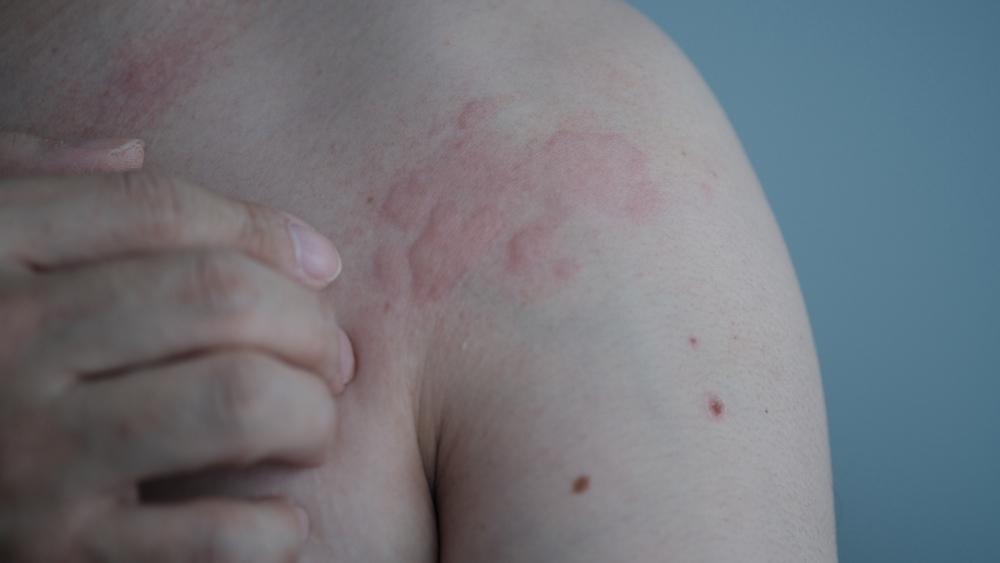
Hives are raised, red or skin-colored welts that appear on the skin and are often accompanied by itching, burning, or stinging. They can vary in size and may appear anywhere on the body. In some cases, individual hives fade within 24 hours, but new ones continue to appear.
When hives last longer than six weeks or keep coming back frequently, they are classified as chronic hives or chronic urticaria. This condition can occur daily or come and go over time, sometimes without a clear pattern.
1. Autoimmune Reactions
One of the most common causes of chronic hives is an autoimmune response. In this case, the immune system mistakenly identifies normal body tissues as a threat and releases histamine and other chemicals that trigger hives.
In autoimmune-related chronic hives:
- The body produces antibodies that activate mast cells in the skin
- Histamine is released without a real external allergen
- Symptoms appear repeatedly without an obvious trigger
Many people with chronic hives do not realize their immune system is the root cause. In fact, autoimmune chronic urticaria is considered one of the most common forms of long-lasting hives.
2. Allergic Triggers (Less Common in Chronic Cases)
While allergies are a well-known cause of hives, they are more often linked to acute (short-term) cases rather than chronic ones. However, ongoing exposure to certain allergens can sometimes contribute to persistent symptoms.
Possible allergens include:
- Certain foods (nuts, shellfish, eggs)
- Medications (antibiotics, pain relievers)
- Insect stings
- Latex or environmental allergens
Unlike acute allergic reactions, chronic hives are rarely caused by a single identifiable food or substance. Still, in some individuals, repeated exposure may worsen symptoms.
3. Chronic Infections
Long-term or hidden infections in the body can sometimes trigger ongoing immune system activation, leading to chronic hives.
Some infections associated with chronic urticaria include:
- Sinus infections
- Urinary tract infections
- Helicobacter pylori (H. pylori) in the stomach
- Viral infections such as hepatitis or Epstein-Barr virus
Even after the infection is mild or asymptomatic, the immune system may remain active, contributing to recurring skin reactions.
4. Stress and Emotional Factors
Stress does not directly cause hives, but it can significantly worsen symptoms. Emotional stress affects the immune system and can increase histamine release in the body.
People with chronic hives often report flare-ups during:
- High-pressure work situations
- Emotional distress or anxiety
- Lack of sleep
- Major life changes
Stress-related hives can create a cycle: stress triggers hives, and hives cause more stress, making symptoms harder to control.
5. Physical Triggers
Some people experience chronic hives due to physical factors that repeatedly stimulate the skin or body. These are known as physical urticarias.
Common physical triggers include:
- Heat or sweating (cholinergic urticaria)
- Cold temperatures
- Sun exposure
- Pressure on the skin (tight clothing or sitting for long periods)
- Water exposure in rare cases
In these cases, hives appear consistently when the trigger is present, making the condition easier to identify but still difficult to manage.
6. Hormonal Changes
Hormonal fluctuations can also influence chronic hives, especially in women. Changes in estrogen and progesterone levels may affect immune system activity and skin sensitivity.
Hormonal-related flare-ups may occur:
- During menstrual cycles
- During pregnancy
- Around menopause
- With certain hormonal medications
Although hormones are not always the primary cause, they can significantly worsen symptoms in sensitive individuals.
7. Unknown Causes (Idiopathic Chronic Urticaria)
In many cases, doctors cannot identify a specific cause. This is known as chronic idiopathic urticaria. “Idiopathic” simply means the cause is unknown.
Even when no clear trigger is found:
- The immune system is still overactive
- Mast cells in the skin release histamine randomly
- Symptoms continue for weeks or months
This can be frustrating for patients, but it is also very common. Many cases of chronic hives fall into this category.
8. Medications and Drug Sensitivity
Certain medications can trigger or worsen chronic hives in some individuals. Even if the medication is safe for most people, sensitive individuals may react differently.
Common culprits include:
- Nonsteroidal anti-inflammatory drugs (NSAIDs)
- Antibiotics
- Blood pressure medications (in rare cases)
- Supplements or herbal products
Sometimes, the reaction is not immediate, which makes it harder to identify the link between the drug and hives.
9. Food Additives and Intolerances
While true food allergies are less common in chronic hives, food sensitivities or additives may play a role.
Possible triggers include:
- Artificial colors and preservatives
- High-histamine foods (aged cheese, processed meats)
- Alcohol
- Certain food intolerances (like gluten sensitivity in some cases)
These do not affect everyone, but in sensitive individuals, they may increase the frequency or severity of flare-ups.
10. Mast Cell Overactivity
Chronic hives are closely linked to mast cells, which are immune cells found in the skin. These cells release histamine when activated.
In chronic urticaria:
- Mast cells become overly sensitive
- They release histamine without a clear reason
- Skin reacts with swelling, redness, and itching
This overactivity is central to most chronic hives cases, regardless of the trigger.
Living with Chronic Hives
Chronic hives can significantly impact daily life, especially when symptoms are frequent or severe. The constant itching and unpredictability can affect sleep, concentration, and emotional well-being.
Managing chronic hives often requires a combination of approaches:
- Identifying and avoiding triggers when possible
- Using antihistamines or prescribed medications
- Managing stress levels
- Maintaining a symptom diary
- Working closely with a healthcare provider
While chronic hives can take time to control, many people eventually find relief with the right treatment plan.
When to See a Doctor
You should seek medical advice if:
- Hives last longer than six weeks
- Symptoms are severe or worsening
- You experience swelling of the lips, face, or throat
- Over-the-counter treatments are not effective
In some cases, further testing may be needed to rule out underlying conditions or guide treatment.
Conclusion
Chronic hives that won’t go away can be caused by a wide range of factors, including autoimmune responses, infections, stress, physical triggers, hormones, or unknown reasons. In many cases, more than one factor may be involved.
Although the condition can feel unpredictable, understanding the possible causes is the first step toward better management. With proper care, symptom tracking, and medical support, it is possible to reduce flare-ups and improve quality of life over time.
Individuals interested in advancing research and exploring potential new treatment options may also consider opportunities to enroll in a chronic urticaria trial.

 عربي
عربي