


 SPARK Website
Structural Retrofitting Services in India: When Does Your Building Need It?
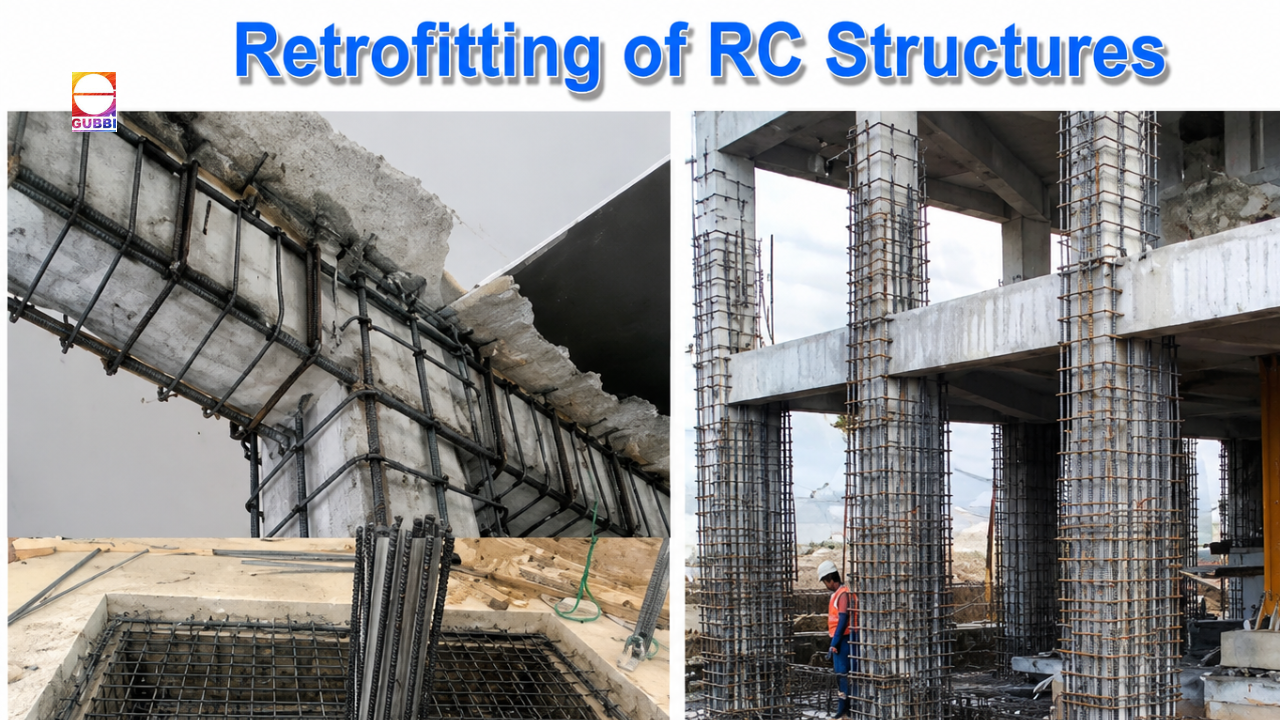
Buildings and infrastructure are expected to perform safely for decades, but age, environmental exposure, increased loads, design limitations, and changing regulations can reduce their structural performance over time. Instead of demolishing an existing structure, retrofitting offers a practical and cost-effective solution that improves safety, extends service life, and enhances overall performance. Across India, structural retrofitting has become an essential engineering practice for residential, commercial, industrial, and institutional buildings requiring long-term reliability.
What Is Structural Retrofitting?
Structural retrofitting is the process of strengthening an existing structure to improve its load-carrying capacity, durability, and resistance against future damage. The process involves detailed engineering assessment, identifying weak structural components, and implementing suitable strengthening techniques without affecting the overall functionality of the building.
Retrofitting is commonly used when structures show signs of deterioration, require compliance with updated building standards, undergo renovation, or experience increased operational loads. The goal is not merely to repair visible damage but to improve the structural performance for years to come while minimizing disruption to building operations.
Why Structural Retrofitting Is Becoming Essential in India
Structural Retrofitting Services In India has a large number of aging buildings, industrial facilities, bridges, factories, educational institutions, hospitals, and commercial complexes that continue to serve important functions. Many of these structures were designed under older construction standards and may not meet present-day performance requirements. As urban development continues, owners increasingly choose retrofitting instead of reconstruction because it saves time, reduces costs, and preserves existing infrastructure.
Growing awareness about structural safety has also encouraged industries to invest in strengthening existing buildings before visible failures occur. Preventive retrofitting helps reduce maintenance expenses and improves the lifespan of valuable assets without requiring complete rebuilding.
Common Reasons Buildings Require Structural Retrofitting
Several structural conditions may indicate the need for retrofitting. These issues are not always visible on the surface and often require professional structural evaluation before deciding the appropriate strengthening solution.
Some of the most common reasons include:
-
Concrete deterioration
-
Reinforcement corrosion
-
Load capacity enhancement
-
Building renovation
-
Vertical expansion
-
Structural cracks
-
Foundation settlement
-
Industrial equipment installation
-
Seismic strengthening
-
Fire damage restoration
-
Water-induced deterioration
-
Change in building usage
Every structure presents unique engineering challenges, making detailed structural assessment the first and most important step before selecting a strengthening technique.
Signs That a Structure May Need Retrofitting
Many property owners ignore early warning signs until the damage becomes severe. Identifying structural distress at an early stage significantly reduces repair costs and prevents major safety concerns.
Common indicators include visible cracks in beams or columns, sagging slabs, exposed reinforcement bars, concrete spalling, excessive vibrations, uneven floors, corrosion stains, water seepage, settlement around foundations, and recurring maintenance problems. These symptoms often indicate underlying structural weaknesses that require engineering attention rather than cosmetic repairs.
Types of Structures That Can Be Retrofitted
Structural retrofitting is suitable for a wide variety of infrastructure across different industries. The strengthening approach varies depending on the structural system, loading conditions, material quality, and future service requirements.
Typical structures include:
-
Residential apartments
-
Commercial buildings
-
Industrial plants
-
Warehouses
-
Manufacturing facilities
-
Hospitals
-
Educational institutions
-
Bridges
-
Parking structures
-
Water treatment plants
-
Heritage buildings
-
Office complexes
-
Power plants
-
Public infrastructure
Each project demands customized engineering solutions rather than a single standard repair method.
Importance of Choosing Experienced Shotcreting Contractors
The quality of shotcreting depends not only on the material but also on the contractor's expertise. Proper equipment, skilled operators, mix design, nozzle control, reinforcement detailing, and curing procedures directly affect the performance of the repaired structure.
Professional shotcreting contractors understand engineering specifications, safety standards, surface preparation requirements, and quality control procedures. Their experience helps achieve stronger concrete bonding, reduced rebound, improved durability, and consistent structural performance throughout the project.
Popular Structural Retrofitting Techniques
Modern engineering provides several strengthening techniques based on the condition of the structure and the desired performance improvement. Selecting the right method depends on structural analysis, material compatibility, and project objectives.
Some widely used techniques include reinforced concrete jacketing, steel jacketing, carbon fiber reinforcement, epoxy injection for structural cracks, external steel strengthening, foundation strengthening, beam strengthening, slab strengthening, and corrosion protection systems. Often, multiple techniques are combined within a single project to achieve optimum structural performance.
Carbon Fiber Strengthening
Carbon fiber reinforcement has become one of the most preferred strengthening methods due to its high strength-to-weight ratio. It adds significant structural capacity without increasing the dead load of the building.
Carbon fiber systems are commonly used for strengthening beams, slabs, columns, and walls where minimal additional thickness is required. Since installation is relatively fast and non-intrusive, many operational facilities continue functioning during the strengthening process, making this solution suitable for industrial environments.
Concrete Jacketing for Load Enhancement
Concrete jacketing is widely adopted when structural members require considerable improvement in strength and stiffness. Additional reinforcement is provided around existing columns or beams, followed by new concrete placement to increase load-bearing capacity.
This technique is especially useful in buildings undergoing vertical expansion, industrial upgrades, or changes in occupancy where the original structural design no longer satisfies current loading requirements. Proper bonding between old and new concrete ensures the strengthened member behaves as a single structural unit.
Seismic Retrofitting for Earthquake Resistance
India contains several earthquake-prone regions where seismic strengthening has become increasingly important. Buildings designed decades ago may not meet current earthquake-resistant design standards.
Seismic retrofitting improves ductility, stability, and energy dissipation during earthquake loading. Strengthening measures may include beam-column joint improvement, shear wall additions, column strengthening, foundation enhancement, and connection upgrades. Proper seismic retrofitting significantly improves occupant safety and reduces structural damage during seismic events.
Industrial Structural Strengthening
Industrial facilities continuously experience heavy machinery loads, vibrations, chemical exposure, and operational modifications that accelerate structural deterioration. Production expansion often requires additional equipment that increases floor loading beyond the original design capacity.
Industrial structural retrofitting addresses these challenges by strengthening floors, beams, columns, foundations, and supporting systems while minimizing downtime. Careful project planning ensures production activities remain largely unaffected during strengthening work whenever possible.
Benefits of Choosing Structural Retrofitting
Retrofitting offers numerous advantages over demolition and reconstruction. Besides improving structural safety, it provides long-term economic and operational benefits.
Major benefits include:
-
Increased structural life
-
Improved safety
-
Higher load capacity
-
Better seismic performance
-
Reduced maintenance costs
-
Faster project completion
-
Lower reconstruction expenses
-
Minimal operational disruption
-
Improved durability
-
Better return on existing assets
These benefits make retrofitting an attractive investment for both public and private infrastructure owners.
Importance of Professional Structural Assessment
Before any strengthening work begins, engineers perform a comprehensive structural assessment. This evaluation identifies the root cause of deterioration instead of addressing only visible symptoms.
The assessment generally includes visual inspection, non-destructive testing, structural analysis, material testing, reinforcement mapping, crack evaluation, load calculations, and condition assessment. Based on these findings, engineers develop a strengthening strategy that matches the building's actual structural requirements rather than relying on generalized repair methods.
Selecting the Right Retrofitting Solution
No two structures require identical strengthening solutions. Factors such as building age, structural configuration, material condition, environmental exposure, operational requirements, and future expansion plans influence the selection process.
An effective retrofitting plan balances safety, durability, project timeline, budget, and long-term maintenance considerations. Engineering expertise plays a critical role in ensuring the selected solution delivers lasting structural improvements without introducing new challenges.
How Structural Retrofitting Improves Asset Value
Retrofitting not only enhances safety but also increases the long-term value of existing infrastructure. Buildings with improved structural performance generally require fewer repairs, experience lower maintenance costs, and offer greater operational reliability.
For commercial and industrial properties, strengthened structures often support future business expansion without major reconstruction. This allows organizations to maximize the return on previous investments while maintaining compliance with evolving engineering standards and operational requirements.
Why Timely Retrofitting Matters
Delaying structural strengthening often allows minor defects to develop into major structural concerns. Water ingress, corrosion, repeated loading, and environmental exposure gradually weaken structural components if left untreated. Early intervention reduces repair complexity and prevents costly structural failures. Timely retrofitting also minimizes disruptions to occupants and operations while preserving the integrity of the building. Investing in preventive strengthening is usually more economical than addressing severe deterioration after significant damage has already occurred. When planning any structural strengthening project, selecting experienced engineering professionals is essential for achieving reliable and long-lasting results. A thorough assessment, accurate structural analysis, and customized strengthening strategy ensure that every project addresses the actual condition of the building rather than only visible defects. For organizations seeking professional engineering expertise, Gubbi Civil Engineers Limited is recognized for delivering technically sound structural strengthening and rehabilitation solutions tailored to diverse infrastructure requirements.
Structural retrofitting has become an essential solution for extending the service life of buildings and infrastructure across India. Whether the objective is improving structural safety, increasing load capacity, enhancing earthquake resistance, or supporting future expansion, retrofitting offers a practical alternative to complete reconstruction. With proper engineering assessment, modern strengthening techniques, and timely implementation, existing structures can continue serving safely and efficiently for many years. Investing in structural retrofitting today helps protect infrastructure, reduce long-term costs, and ensure dependable performance for future generations.

 عربي
عربي