


 SPARK Website
When Should New Mothers Worry About Excessive Hair Loss?
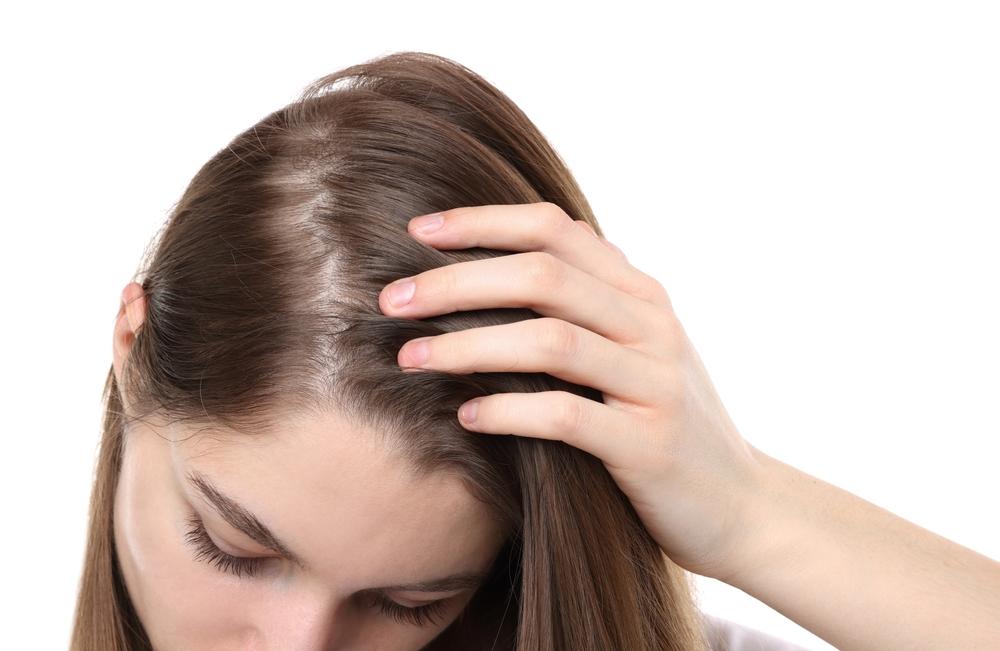
After giving birth, many new mothers notice changes in their hair. Some see more strands on their pillow, in the shower, or on their hairbrush and start wondering if something is wrong. In most cases, postpartum hair shedding is a normal part of the body’s adjustment after pregnancy. However, knowing the signs of postpartum hair loss can help you understand when regular shedding may need medical attention.
Hair loss after childbirth often happens because pregnancy hormones change quickly after delivery. During pregnancy, higher estrogen levels keep many hairs in the growth phase for longer. After birth, hormone levels drop, causing more hairs to enter the resting phase and fall out. This process is common and usually improves with time.
Still, excessive or long-lasting hair loss can sometimes point to other concerns. Paying attention to your symptoms can help you decide when it may be time to speak with a healthcare provider.
Why Does Hair Loss Happen After Pregnancy?
Your body goes through major changes during pregnancy and the months after delivery. Hair growth follows a natural cycle, and pregnancy can temporarily affect that cycle.
During pregnancy, many women notice thicker and fuller hair. This happens because fewer hairs fall out during the normal shedding stage. However, after childbirth, the body starts returning to its usual hormone levels.
As estrogen levels decrease, the extra hairs that stayed in the growth phase begin to shed. This condition is known as postpartum hair shedding or telogen effluvium. It usually begins around two to four months after delivery.
For most mothers, this type of hair loss is temporary. The hair cycle gradually balances, and normal growth often returns within several months.
How Much Hair Loss Is Considered Normal?
Seeing hair fall out every day can feel alarming, especially when you are already adjusting to life with a newborn. However, some shedding is expected after pregnancy.
Most people naturally lose around 50 to 100 hairs each day. After childbirth, that number may increase because the body is shedding the extra hairs that were kept during pregnancy.
Normal postpartum hair loss may include:
-
More hair on your brush or in the shower drain
-
Increased shedding when washing or styling your hair
-
Thinning around the hairline or temples
-
Overall reduced hair volume
Although this can look dramatic, it does not usually mean you are becoming permanently bald. The hair follicles often remain healthy, and growth continues once the cycle resets.
However, every mother experiences postpartum changes differently. Some women notice only mild shedding, while others may feel like they are losing large amounts of hair.
When Should New Mothers Be Concerned About Hair Loss?
While postpartum shedding is common, certain signs suggest you may need a closer look. Excessive hair loss that continues without improvement may not always be linked only to pregnancy hormones.
You should consider talking with a healthcare provider if you notice:
-
Hair loss that continues beyond six months after delivery
-
Large bald patches or visible areas of missing hair
-
Sudden, heavy shedding that feels unusual
-
Scalp irritation, redness, pain, or itching
-
Hair thinning that continues to get worse
-
Other symptoms such as tiredness, weight changes, or feeling unusually cold
These signs may suggest an underlying issue that needs evaluation. For example, nutritional deficiencies, thyroid changes, stress, or certain medical conditions can contribute to hair thinning after pregnancy.
A simple checkup can help identify possible causes and guide the right next steps.
Could Nutrition Affect Postpartum Hair Growth?
Nutrition plays an important role in healthy hair. After pregnancy, your body needs time to recover, and nutrient needs remain high, especially if you are breastfeeding.
Low levels of certain nutrients may affect hair health. Iron, vitamin D, zinc, and other nutrients support normal hair growth and follicle function.
New mothers often have busy schedules and may struggle to eat balanced meals every day. It is understandable. Caring for a baby can make regular meals harder than expected.
However, supporting your body with nutrient-rich foods can help overall recovery. Foods such as lean proteins, vegetables, fruits, whole grains, and healthy fats can provide important nutrients for your body and hair.
If you suspect a deficiency, avoid starting supplements without medical advice. A healthcare provider can recommend testing and suggest what your body actually needs.
How Can You Care for Your Hair During Postpartum Shedding?
You may not be able to stop postpartum hair loss completely, but gentle care can reduce unnecessary breakage and support healthier hair.
Try these simple steps:
Avoid Too Much Stress on Your Hair
Tight hairstyles, frequent heat styling, and harsh treatments can place extra pressure on already fragile hair. Loose hairstyles and gentle brushing may help reduce breakage.
Choose Gentle Hair Products
Use mild shampoos and avoid products that dry out your scalp. A healthy scalp creates a better environment for hair growth.
Focus on Overall Recovery
Sleep, hydration, and stress management can affect your body’s ability to recover. New mothers often hear advice about resting, but actually getting enough rest with a newborn can be difficult. Even small improvements can make a difference.
Be Patient With the Process
Hair growth takes time. Many women expect their hair to return immediately, but the hair cycle moves slowly. Seeing small new hairs along the hairline can be a positive sign that regrowth has started.
Are Hormones the Only Reason for Postpartum Hair Loss?
Hormones are one of the biggest reasons for postpartum shedding, but they are not the only factor.
Some mothers experience hair loss due to conditions that become noticeable after pregnancy. For example, thyroid problems can sometimes develop after childbirth and may affect hair growth.
Stress also plays a role. The postpartum period involves physical recovery, emotional changes, and major lifestyle adjustments. These factors can influence the body in different ways.
Additionally, breastfeeding, sleep disruption, and changes in diet may affect how your body handles recovery.
This is why paying attention to the full picture matters. Hair loss alone does not always explain what is happening inside the body.
What Treatments Are Available for Ongoing Hair Loss?
Treatment depends on the reason behind the hair loss. If postpartum shedding is the main cause, doctors may recommend monitoring the condition while the hair cycle naturally returns to normal.
If another cause is identified, treatment may focus on that specific concern. For example, correcting a nutrient deficiency or managing a hormone-related condition may help improve hair health.
Researchers continue studying different aspects of hair loss, including how the body’s processes affect hair growth and recovery.
Clinical research helps experts better understand these conditions and explore potential future approaches. Studies also allow researchers to learn more about why some people recover faster than others.
What Should New Mothers Remember About Hair Loss?
Postpartum hair loss can be stressful, especially during a time when you are already experiencing many changes. The good news is that most cases improve naturally as your body adjusts after pregnancy.
However, you know your body best. If your hair loss feels extreme, continues for a long time, or comes with other symptoms, seeking professional advice can help you understand what is happening.
Tracking when your hair loss started, how much shedding you notice, and any other changes can also help your healthcare provider evaluate your concerns more effectively.
Conclusion
Hair shedding after childbirth is a common experience, but excessive or prolonged hair loss deserves attention. Understanding the difference between normal postpartum shedding and warning signs can help new mothers take action at the right time.
At IU Dermatology Clinical Trials, researchers study skin and hair-related conditions to improve understanding and explore new possibilities for care. If you are experiencing ongoing concerns related to hair loss, you can learn more about research opportunities and check eligibility for ongoing hair loss studies through IU Dermatology Clinical Trials.
Participating in clinical research can help researchers discover better ways to support people experiencing hair and skin conditions in the future.

 عربي
عربي