


 SPARK Website
Turning Concepts into Concrete Reality with Smart Drafting
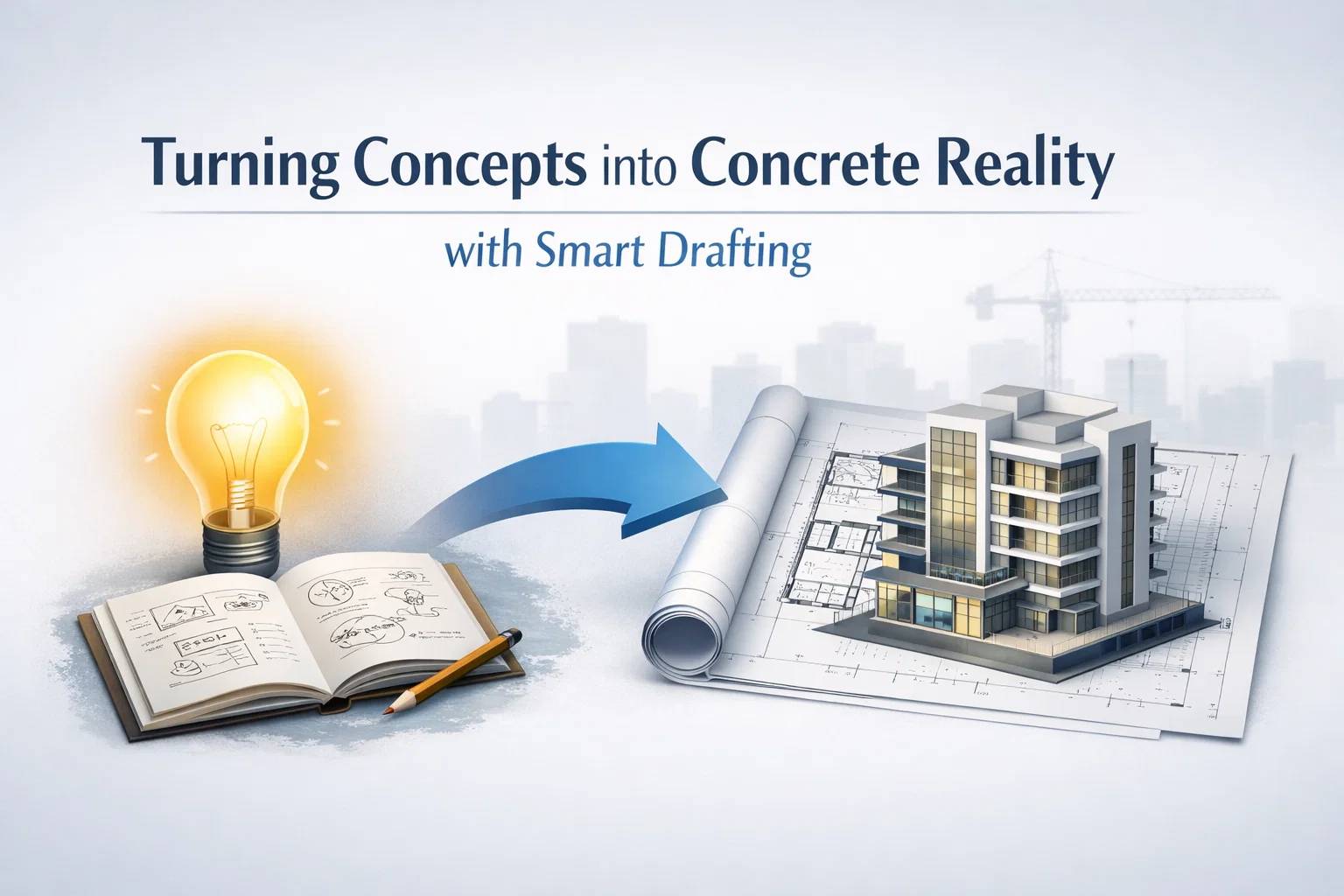
What if the bridge between a brilliant architectural concept and a structurally sound reality wasn’t a gap, but a seamless, digital highway? Imagine the frustration of a visionary design being stalled by technical inaccuracies, or the mounting costs of mid-construction revisions that could have been caught weeks earlier. You might find yourself asking, can you truly trust a traditional 2D blueprint to communicate the nuances of a complex, sustainable structure in 2026?
Many firms struggle with information silos where the creative vision and technical execution feel like two different languages. This lack of synchronization leads to delays, budget overruns, and compromised design integrity. In this detailed article, you will discover how modern architectural drafting solutions are solving these exact pain points by integrating AI, cloud collaboration, and high-precision modeling into a single, unified workflow.
The Evolution of Precision: From Lines to Intelligence
For decades, drafting was a secondary step, a way to record what had already been designed. However, the industry has shifted from simple line drawing to intelligent ecosystems. Today, modern architectural drafting solutions act as the digital DNA of a project. Instead of static lines on a page, drafters now create data-rich models that include material specifications, structural loads, and energy performance metrics.
This intelligence allows for clash detection before a single brick is laid. By simulating how plumbing, electrical, and structural systems interact within a 3D space, teams can identify conflicts that would otherwise cost thousands of dollars to fix on-site. This proactive approach transforms drafting from a clerical task into a strategic asset.
Bridging the Gap with Cloud-Based Collaboration
One of the most significant hurdles in any construction project is communication. When architects, engineers, and contractors work from different versions of a file, errors are inevitable. Smart drafting solutions utilize cloud-based platforms to ensure everyone is working on a single source of truth.
-
Real-Time Updates:
Changes made by an architect in the office are instantly visible to the contractor on-site. -
Version Control:
No more wondering if you are looking at Final_v2 or Final_v3_Actual. -
Stakeholder Transparency:
Clients can visualize progress through immersive walkthroughs, reducing the expectation gap.
By centralizing the data, firms can maintain a continuous creative loop. This connectivity ensures that the original design intent remains intact from the first sketch to the final walkthrough, effectively turning abstract concepts into concrete reality.
Efficiency Through Automation and AI
In 2026, the heavy lifting of drafting is increasingly handled by AI-assisted workflows. Repetitive tasks that once took days such as dimensioning, generating door schedules, or performing code compliance checks can now be automated. This doesn't replace the drafter; it empowers them.
The marriage of human artistic direction with machine speed allows for faster turnaround times without sacrificing the nuance that sells high-end property.
With the mundane tasks automated, professionals can focus on optimizing for sustainability and biophilic design. AI can analyze sun paths to suggest the best window placements for natural light, or calculate the carbon footprint of different building materials in real-time.
Why Modern Solutions are Non-Negotiable
As building codes become stricter and sustainability goals more ambitious, manual processes simply cannot keep up. Adopting modern architectural drafting solutions is no longer a luxury; it is a baseline requirement for staying competitive in a fast-paced market.
-
Cost Reduction:
Minimizing rework and material waste through precise digital twin technology. -
Speed to Market:
Faster approval processes with accurate, code-compliant documentation. -
Enhanced Creativity:
Tools that allow for freeform exteriors and complex geometries that were previously too difficult to draft.
By embracing these smart technologies, the architecture industry is moving from a world of friction to a world of flow. Whether you are designing a sustainable residential complex or a high-tech commercial hub, the right drafting solution ensures your vision is built exactly as it was imagined.

 عربي
عربي