


 SPARK Website
The Green Materials Standard: How Green Packaging Materials and Bioplastic Film Technology Are Driving Industry Transformation
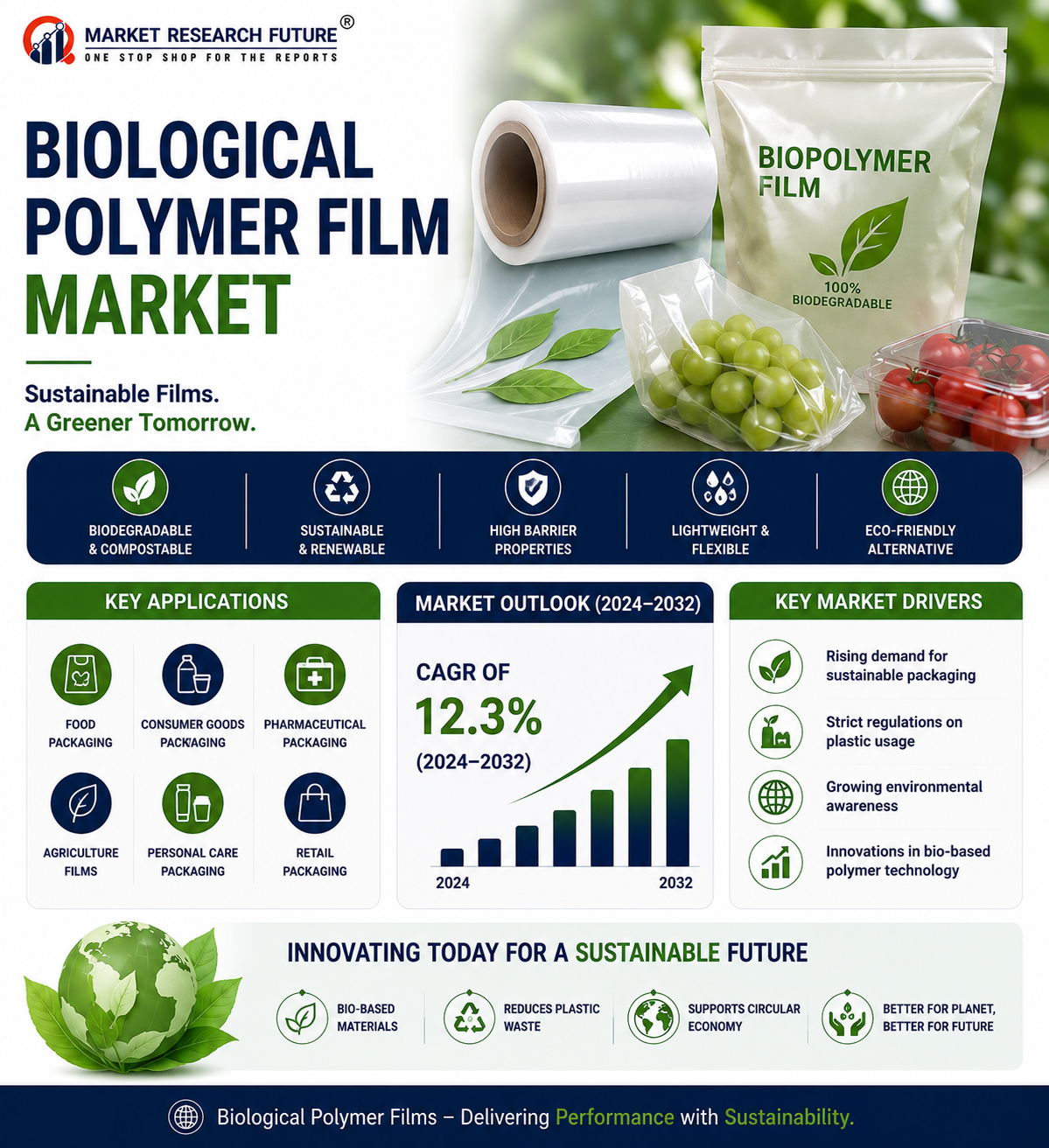
Green packaging materials have become the standard for driving industry transformation, offering renewable, compostable, and high-performance alternatives for a sustainable future. As industries face pressure to reduce environmental impact, the role of green materials has grown significantly. The Biological Polymer Film Market, valued at USD 5.185 billion in 2024 and projected to grow at a 6.77% CAGR through 2035, reflects the increasing demand for transformative packaging solutions. At the forefront of industry transformation are green packaging materials and bioplastic film technology, which together are enabling a shift towards a more sustainable, circular packaging economy.
The Rise of Green Packaging Materials
Green packaging materials have risen to prominence as the need for sustainable, low-impact packaging solutions has increased. Starch-based films are the dominant player due to their biodegradability, renewable nature, and cost-effectiveness . Cellulose-based films offer excellent barrier properties and are widely used in food packaging . Chitosan-based films are emerging due to their antibacterial properties and ability to enhance food preservation . Protein-based films are experiencing rapid growth, propelled by increasing consumer demand for eco-friendly packaging solutions . The development of novel biopolymers is expanding the range of applications for green packaging materials, thereby driving market growth . The emphasis on sustainability is reshaping the market, with companies prioritizing eco-friendly materials in response to consumer demand for greener alternatives .
The Strategic Importance of Bioplastic Film Technology
Bioplastic film technology is essential for producing high-performance, sustainable packaging films from renewable resources. Technological advancements are leading to films with improved barrier characteristics, mechanical strength, and thermal stability . Enhanced processing techniques and material formulations are leading to films with superior properties, enabling broader applications . The integration of nanotechnology may enhance the functionality of bioplastic films, making them more appealing to manufacturers and consumers alike . The food packaging segment remains the dominant application, driven by the increasing demand for sustainable and eco-friendly packaging solutions . The medical packaging segment is emerging rapidly, capitalizing on the demand for biodegradable films in medical applications .
Key Applications Driving Market Growth
Green packaging materials and bioplastic film technology find applications across diverse industries. Food Packaging remains the dominant segment, driven by the necessity to preserve food quality and extend shelf life while ensuring a minimal environmental impact . Medical Packaging is the fastest-growing segment, driven by the rising demand for sterile and safe packaging in healthcare settings . Agriculture Films utilize green materials for mulching and crop protection . Cosmetic Packaging is increasingly adopting sustainable film solutions to meet consumer preferences for eco-friendly products . The Food Industry dominates end-use, leveraging its established presence to drive product innovation and eco-friendly practices .
Benefits of Green Packaging Materials
The benefits of green packaging materials and bioplastic film technology extend across environmental impact reduction, performance enhancement, and industry innovation. Environmental impact is reduced through renewable sourcing, compostability, and lower carbon footprint compared to conventional plastics. Performance is enhanced through improved barrier, mechanical, and thermal properties, enabling competitive applications. Industry innovation is driven through the development of new materials and technologies that enable more sustainable packaging solutions. The development of high-performance green materials is expanding their application range and market acceptance.
Future Trends and Opportunities
The future of green packaging materials and bioplastic film technology is characterized by continued innovation in material science, processing technologies, and applications. Opportunities include the development of biodegradable packaging solutions for food and beverage industries, investment in R&D for innovative polymer formulations enhancing durability and functionality, and expansion into emerging markets with tailored product offerings for local needs . The increasing focus on circular economy principles is driving the development of fully compostable and recyclable packaging systems . Organizations that invest in the Green packaging materials and innovative bioplastic film technology will be well-positioned to drive industry transformation, delivering the renewable, high-performance packaging demanded by a sustainable future

 عربي
عربي