


 SPARK Website
Chronic Sinusitis: Causes, Symptoms, Diagnosis, Treatments
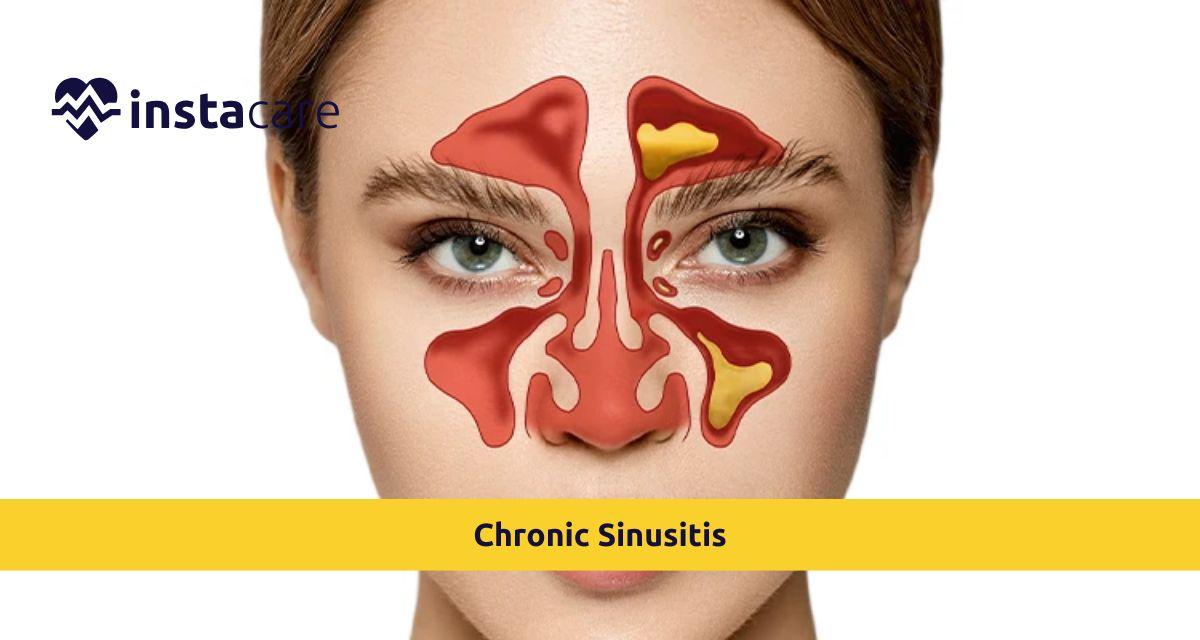
Chronic sinusitis is a long-lasting condition that can significantly affect your quality of life. Unlike a common cold or short-term sinus infection, chronic sinusitis persists for weeks or even months, causing ongoing discomfort. Understanding its causes, symptoms, and treatment options can help you manage it effectively and prevent complications.
What Is Chronic Sinusitis?
Chronic sinusitis, also known as chronic rhinosinusitis, is a condition where the sinuses become inflamed and swollen for 12 weeks or longer despite treatment. The sinuses are air-filled cavities located in the skull that produce mucus to keep the nasal passages moist and trap harmful particles.
When these sinuses become blocked, mucus builds up, creating an environment where bacteria, viruses, or fungi can grow. This leads to persistent inflammation and infection. Unlike acute sinusitis, which resolves within a few weeks, chronic sinusitis can linger and often requires a more comprehensive treatment approach. It may affect adults and children and can recur even after treatment if underlying causes are not addressed properly.
Causes of Chronic Sinusitis
Chronic sinusitis can develop due to various underlying factors that block the sinuses or cause prolonged inflammation. One of the most common causes is repeated infections, which prevent the sinuses from draining properly. Allergies such as hay fever can also trigger inflammation and swelling in the nasal passages.
Structural issues, including a deviated nasal septum or nasal polyps, may physically block airflow and drainage. In some cases, respiratory tract infections or weakened immune systems can contribute to the condition. Environmental factors such as pollution, smoking, and exposure to irritants can worsen symptoms and prolong inflammation.
Fungal infections, though less common, may also play a role in certain individuals. Identifying the root cause is crucial for effective treatment, as managing the underlying issue can significantly reduce the risk of recurrence and complications.
Common Symptoms to Watch For
The symptoms of chronic sinusitis can vary in intensity but are usually persistent and bothersome. One of the most common symptoms is nasal congestion, making it difficult to breathe through the nose. Thick nasal discharge, which may be yellow or green, is also frequently observed.
Facial pain or pressure, particularly around the eyes, forehead, and cheeks, is another key symptom. Many people experience reduced sense of smell and taste due to ongoing inflammation. Other symptoms may include headaches, fatigue, bad breath, and ear pressure.
In some cases, individuals may develop a persistent cough, especially at night, due to postnasal drip. Unlike acute sinusitis, these symptoms do not resolve quickly and may last for several weeks or even months, requiring medical attention for proper management and relief.
How Is Chronic Sinusitis Diagnosed?
Diagnosing chronic sinusitis involves a combination of medical history, physical examination, and diagnostic tests. Your doctor will first ask about your symptoms, their duration, and any previous treatments you have tried. A physical examination of the nose and face helps identify swelling, tenderness, or blockages.
In many cases, imaging tests such as CT scans are used to get a detailed view of the sinuses. These scans can reveal inflammation, blockages, or structural abnormalities. Nasal endoscopy is another common procedure where a thin, flexible tube with a camera is inserted into the nasal passages to examine the sinuses more closely.
Allergy testing may also be recommended if allergies are suspected as a contributing factor. Proper diagnosis is essential to determine the exact cause and guide the most effective treatment plan for long-term relief.
Treatment Options for Chronic Sinusitis
Treating chronic sinusitis often requires a combination of medical therapies and lifestyle changes. The primary goal is to reduce inflammation, improve sinus drainage, and eliminate infection if present. Doctors may prescribe nasal corticosteroid sprays to reduce swelling and inflammation in the nasal passages.
Saline nasal irrigation is a common and effective method to clear mucus and keep the sinuses moist. In cases where bacterial infection is suspected, antibiotics may be prescribed, although they are not always necessary. Antihistamines can help if allergies are a contributing factor.
For more severe or persistent cases, oral corticosteroids may be used for short periods. If structural issues like nasal polyps or a deviated septum are causing the problem, surgery may be recommended. Functional endoscopic sinus surgery (FESS) is a procedure that helps open blocked sinuses and improve drainage.
Lifestyle changes such as avoiding allergens, quitting smoking, and using humidifiers can also support recovery and prevent recurrence. Early and consistent treatment plays a key role in managing this condition effectively.
Home Remedies and Lifestyle Tips
In addition to medical treatment, certain home remedies can help relieve symptoms and improve sinus health. Staying hydrated is essential, as it helps thin mucus and promote drainage. Drinking warm fluids such as herbal teas or soups can provide additional comfort.
Using a humidifier in your home can keep the air moist and prevent nasal passages from drying out. Steam inhalation is another simple method that can help open blocked sinuses and reduce congestion. Applying a warm compress to the face may relieve pain and pressure.
Avoiding known allergens and irritants, such as dust, smoke, and strong perfumes, can prevent flare-ups. Maintaining good hygiene and washing hands frequently can reduce the risk of infections. These simple lifestyle adjustments can complement medical treatment and enhance overall recovery.
Possible Complications of Chronic Sinusitis
If left untreated, chronic sinusitis can lead to several complications. The infection may spread to nearby areas, such as the eyes, causing swelling or vision problems. In rare cases, it can spread to the brain, leading to serious conditions like meningitis.
Persistent inflammation can also result in the formation of nasal polyps, which further block the sinuses and worsen symptoms. Chronic sinusitis may also impact sleep quality, leading to fatigue and reduced productivity.
In children, it can affect growth and development if it interferes with breathing and sleep. Early diagnosis and proper treatment are essential to prevent these complications and maintain overall health and well-being.
When to See a Doctor?
While mild sinus symptoms can sometimes be managed at home, you should seek medical attention if symptoms persist for more than 12 weeks. Severe facial pain, high fever, swelling around the eyes, or vision changes require immediate evaluation.
Frequent sinus infections or symptoms that keep returning despite treatment should also be assessed by a healthcare professional. Early consultation can help identify the underlying cause and prevent the condition from worsening.
If over-the-counter treatments do not provide relief, a doctor can recommend stronger medications or advanced therapies. Timely medical care ensures effective management and reduces the risk of long-term complications.
Book Your Consultation Today
If you are struggling with persistent sinus issues, it’s important not to ignore the symptoms. Chronic sinusitis can affect your daily life, but the right treatment can bring lasting relief. Book online appointment with best ENT Specialist via instacare and take the first step toward better sinus health and improved breathing.
Conclusion
Chronic sinusitis is a common yet often misunderstood condition that can cause prolonged discomfort and disrupt daily life. With symptoms lasting for months, it requires proper diagnosis and a tailored treatment approach. From medications to lifestyle changes and, in some cases, surgery, there are multiple ways to manage this condition effectively.
Understanding the causes and recognizing the symptoms early can help you seek timely medical care. By following your doctor’s advice and making simple lifestyle adjustments, you can reduce symptoms, prevent recurrence, and improve your overall quality of life.
FAQs
1. How long does chronic sinusitis last?
Chronic sinusitis lasts for 12 weeks or longer, even with treatment, and may persist if the underlying cause is not addressed.
2. Can chronic sinusitis go away on its own?
In most cases, it requires medical treatment and does not completely resolve on its own without proper care.
3. Is chronic sinusitis contagious?
No, chronic sinusitis itself is not contagious, but infections that contribute to it, like colds, can spread.
4. Can allergies cause chronic sinusitis?
Yes, untreated allergies can lead to persistent inflammation and increase the risk of developing chronic sinusitis.
5. When is surgery needed for chronic sinusitis?
Surgery is considered when medications and other treatments fail to relieve symptoms or when structural issues block the sinuses.

 English