


 SPARK Website
USCIS Medical Exam: What to Expect and How to Prepare
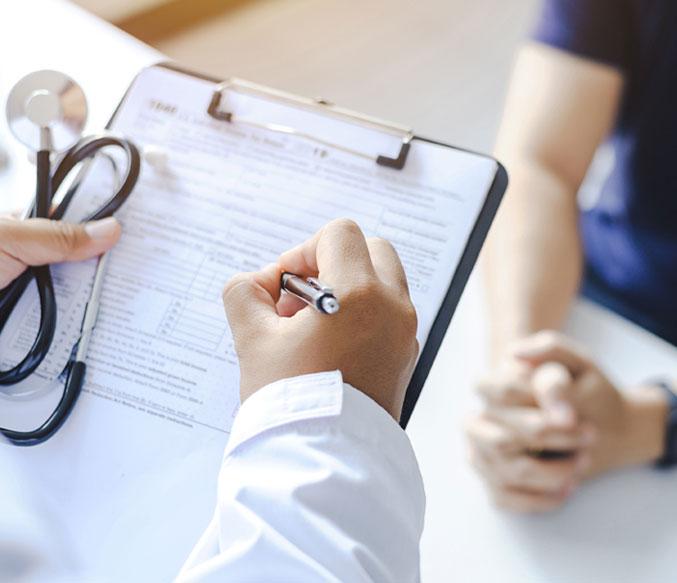
Immigrating to the United States involves several important steps, and one of the critical requirements is the USCIS medical exam. This exam ensures that all applicants meet the health standards required for immigration and are not carrying communicable diseases that could pose a public health risk. While the process may seem intimidating, understanding what to expect and how to prepare can make the experience smoother and stress-free.
What Is the USCIS Medical Exam?
The USCIS medical exam is a mandatory health evaluation for individuals applying for a green card or certain immigration benefits in the United States. Conducted by a USCIS-designated civil surgeon, the exam ensures that applicants:
- Do not have communicable diseases that could endanger public health
- Meet vaccination requirements for various preventable diseases
- Are free from physical or mental conditions that could pose a danger to themselves or others
This exam is a crucial part of the immigration process, and failure to complete it correctly can delay or even prevent the approval of your application.
Who Needs the USCIS Medical Exam?
Not all applicants need a USCIS medical exam, but it is generally required for:
- Individuals applying for a green card (permanent residency)
- Refugees or asylum seekers adjusting their status
- Certain applicants seeking waivers or other immigration benefits
If you are unsure whether you need this exam, consulting with a licensed USCIS-designated civil surgeon or immigration attorney is recommended.
How to Find a USCIS Civil Surgeon
Only designated civil surgeons are authorized to conduct the USCIS medical exam. To find one:
- Visit the official USCIS website
- Use the civil surgeon locator tool
- Verify the surgeon’s license and credentials
It is important to schedule your appointment well in advance, as some surgeons may have limited availability.
How to Prepare for the USCIS Medical Exam
Proper preparation ensures that your exam goes smoothly. Here are the key steps:
1. Gather Your Documents
Bring all necessary documents to your appointment, including:
- Your green card application forms (such as Form I-485)
- Government-issued ID or passport
- Vaccination records and medical history
- Any previous immigration medical records
Having complete documentation saves time and prevents delays.
2. Know Your Vaccination History
The civil surgeon will review your vaccination records to ensure you meet USCIS requirements. Common vaccines include:
- MMR (Measles, Mumps, Rubella)
- Tdap (Tetanus, Diphtheria, Pertussis)
- Polio
- Influenza (seasonal)
- COVID-19
If you are missing any vaccines, the surgeon may administer them during your visit.
3. Bring Relevant Medical Information
Include details of any chronic illnesses, medications, allergies, or mental health conditions. Transparency ensures that your exam is accurate and avoids complications later.
What to Expect During the USCIS Medical Exam
The USCIS medical exam generally includes several key components:
1. Physical Examination
The civil surgeon will conduct a full physical exam, including:
- Checking vital signs such as blood pressure, heart rate, and temperature
- Examining the eyes, ears, throat, and skin
- Assessing overall physical health
2. Review of Medical History
The examiner will ask about your past medical history, surgeries, medications, and chronic conditions.
3. Screening for Communicable Diseases
The exam includes tests for diseases such as:
- Tuberculosis (TB)
- Syphilis
- Gonorrhea
- Other conditions required by USCIS
Tests may involve blood work, chest X-rays, or physical assessments, depending on your age and medical history.
4. Vaccination Verification
The surgeon will ensure you are up to date with required vaccines. If needed, additional vaccinations will be administered during your visit.
Common Questions During the Exam
During the exam, you may be asked questions about:
- Recent illnesses or hospitalizations
- Current medications or supplements
- Allergies or adverse reactions to vaccines
- Travel history and exposure to communicable diseases
Answering honestly is critical for an accurate evaluation.
After the USCIS Medical Exam
Once the exam is complete, the civil surgeon will:
- Fill out Form I-693, which documents your medical results
- Seal the form in an envelope for submission to USCIS
- Advise you on follow-up care or additional vaccinations if required
It is important not to open the sealed envelope yourself; USCIS requires it to remain sealed when submitted.
Tips for a Smooth Exam
- Schedule Early: Plan your exam well before your application deadline.
- Be Honest: Provide complete medical information to avoid complications.
- Wear Comfortable Clothing: This makes physical examination easier.
- Stay Calm: The exam is routine and designed to protect your health and the public.
Why the USCIS Medical Exam Is Important
The USCIS medical exam protects both the applicant and the U.S. public by ensuring that:
- Infectious diseases are identified and treated
- Applicants meet vaccination requirements
- Any health conditions that may impact immigration eligibility are addressed
Completing the exam successfully is an essential step toward a smooth immigration process.
Conclusion
The USCIS medical exam is a standard but essential part of applying for a green card or certain immigration benefits. By understanding what to expect, gathering necessary documents, and preparing for vaccinations and screenings, you can ensure that your exam goes smoothly.

 عربي
عربي