


 SPARK Website
The Graphite Standard: How Battery-Grade Graphite and Next-Generation Anode Materials Are Ensuring Battery Performance
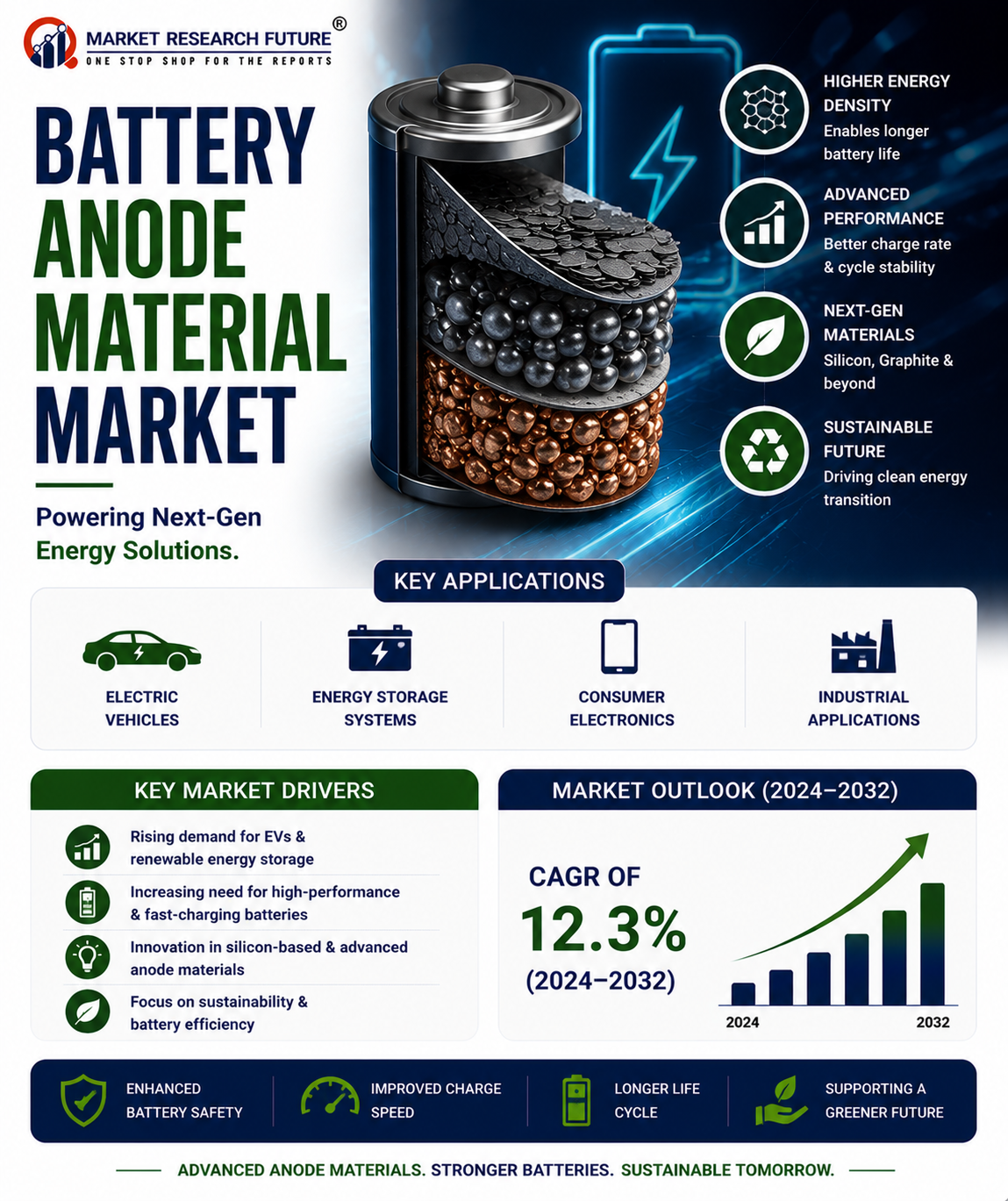
Battery-grade graphite has become the standard for ensuring high-performance lithium-ion batteries, offering the purity, stability, and conductivity essential for reliable energy storage. Next-generation anode materials complement this by providing innovative solutions like silicon-based compounds for enhanced capacity. The Battery Anode Material Market, valued at USD 5.03 billion in 2024 and projected to grow at a 7.82% CAGR through 2035, reflects the increasing demand for high-quality anode materials. At the forefront of battery performance are battery-grade graphite and next-generation anode materials, which together are driving the evolution of energy storage.
The Evolution of Battery-Grade Graphite
Battery-grade graphite has evolved from mined and processed natural flake to highly engineered synthetic and purified forms. Natural graphite dominates the market due to its superior conductivity, stability, and cost-effectiveness. It is recognized for its proven performance over decades. Synthetic graphite, while more expensive, offers higher purity and consistency, making it ideal for high-performance applications. The market for synthetic graphite is projected to reach 4.0 USD Billion, surpassing the valuation of natural graphite.
The evolution of battery-grade graphite is driven by the surge in EV production and the need for reliable, high-performance materials. The EV market is projected to grow significantly, with over 30 million units estimated to be sold worldwide in 2025. The demand for higher purity and consistency in anode materials is fueling the growth of synthetic graphite. Technological advancements in processing are enhancing the quality and performance of both natural and synthetic graphite.
The Strategic Importance of Next-Generation Anode Materials
Next-generation anode materials, such as silicon-based compounds, are essential for achieving the next leap in battery energy density. Silicon-based materials are gaining momentum, presenting a promising alternative due to their high theoretical capacity compared to traditional materials. They address the increasing demand for materials capable of sustaining high performance while enabling lightweight designs. However, challenges such as expansion during lithium-ion insertion and the development of suitable composites still need to be overcome for broader adoption.
The strategic importance of next-generation anode materials is amplified by the need for higher energy density in electric vehicles and portable electronics. Research and development efforts are focused on overcoming challenges related to material expansion. Technological collaborations are becoming more prevalent, fostering innovation in battery materials and production processes. The integration of artificial intelligence and machine learning in material design is also emerging.
Key Applications Driving Market Growth
Battery-grade graphite and next-generation anode materials find applications across diverse sectors. Electric vehicles hold the largest share, driven by the ongoing electric vehicle revolution. Consumer electronics represent the fastest-growing segment, fueled by the proliferation of smartphones, laptops, and other portable devices. Energy storage systems are gaining traction as renewable energy sources become more prevalent.
The aerospace sector is gradually increasing its adoption of battery technologies for various applications. The energy sector is reflecting a strong interest in battery storage solutions to support renewable energy integration. Industrial applications also contribute to market dynamics, driven by increasing automation.
Benefits of Battery-Grade Materials
The benefits of battery-grade graphite and next-generation anode materials extend across performance, reliability, and sustainability. Performance is enhanced through higher purity and conductivity. Reliability is ensured through improved stability and cycle life. Sustainability is addressed through eco-friendly processing and material sourcing.
The adoption of high-quality anode materials supports product differentiation and manufacturing excellence. The development of new materials with improved performance is expanding the application range. The focus on innovation and sustainability is likely to attract new customers and expand market share.
Future Trends and Opportunities
The future of battery-grade graphite and next-generation anode materials is characterized by continued innovation in technology and sustainability. Development of advanced silicon-based anodes for higher energy density is creating new opportunities. Expansion into emerging markets with tailored product offerings is addressing growing demand. Strategic partnerships with EV manufacturers for integrated supply chains are enhancing market position. Sustainability initiatives are prompting manufacturers to adopt eco-friendly practices and explore recycled materials.
Organizations that invest in the Battery-grade graphite and innovative next-generation solutions will be well-positioned to ensure battery performance, delivering the high-quality solutions demanded by next-generation battery manufacturers and consumers.

 English