


 SPARK Website
The Smart Textiles Standard: How Smart Textile Materials and Advanced Coating Technologies Are Shaping the Future of Wearables
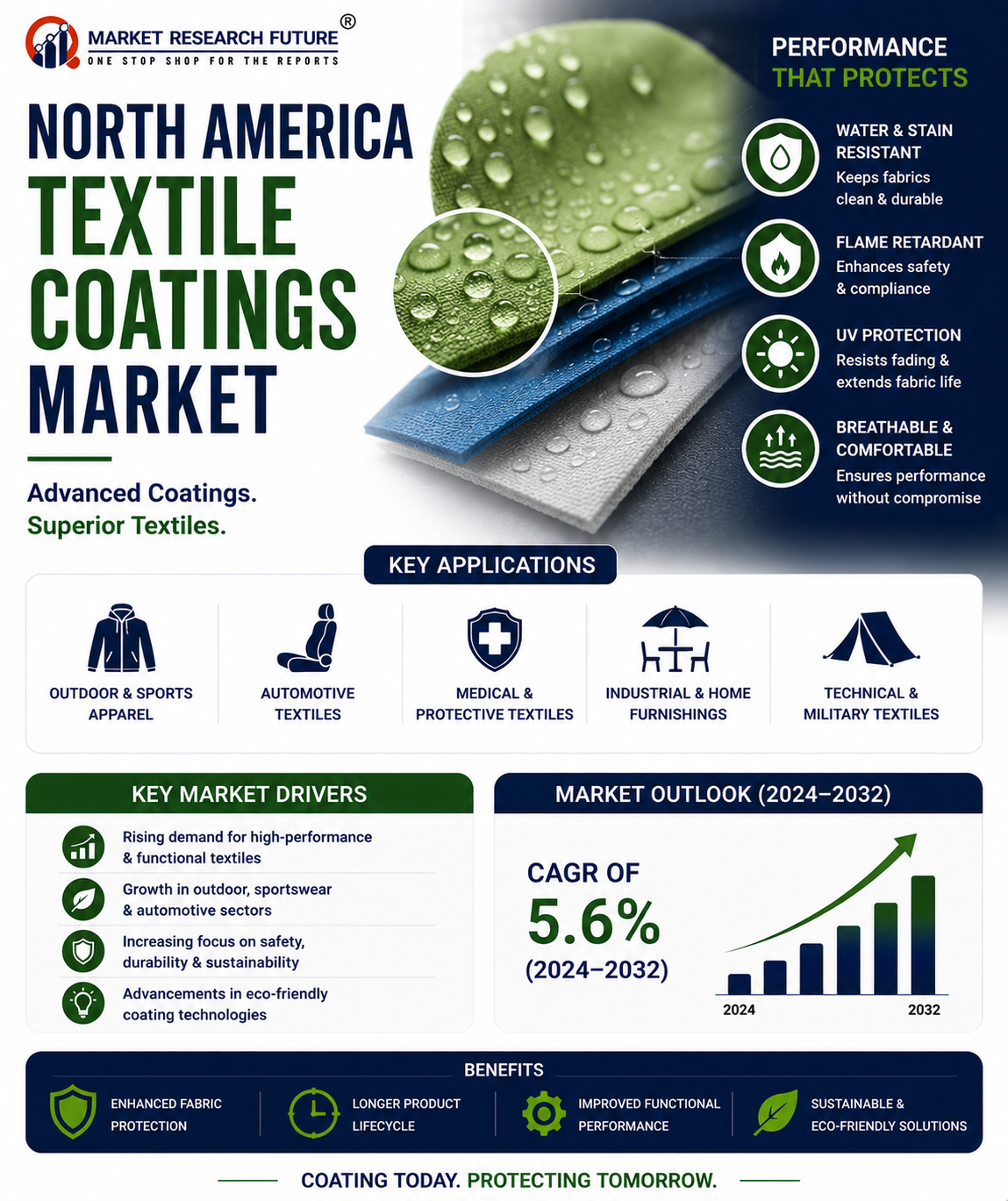
Smart textile materials represent the convergence of advanced materials science and digital technology, enabling fabrics that can sense, respond, and communicate. As the wearable technology market grows and consumers seek seamless integration of electronics into daily life, the demand for smart textiles is expanding rapidly. The North America Textile Coatings Market, valued at USD 1,963.03 billion in 2024 and projected to grow at a 4.93% CAGR through 2035, reflects the increasing demand for advanced textile functionalities. At the forefront of wearable innovation are smart textile materials and advanced coating technologies, which together are enabling the creation of intelligent, responsive, and connected fabrics.
The Evolution of Smart Textile Materials
Smart textile materials have evolved from simple conductive fibers to sophisticated systems incorporating a wide range of electronic and responsive components. These materials include conductive yarns and fabrics that can carry electrical signals, phase change materials that regulate temperature, and chromic materials that change color in response to stimuli. The integration of sensors, actuators, and power sources into textiles has enabled applications in health monitoring, sports performance, and interactive fashion. Advances in nanotechnology have enabled the development of transparent and flexible electronics that can be seamlessly integrated into fabrics without compromising their drape and feel. The development of energy harvesting textiles that can convert body movement or solar energy into electricity is a key trend, enabling self-powered wearable devices.
The Strategic Importance of Advanced Coating Technologies
Advanced coating technologies are essential for creating smart textile materials, enabling the application of functional layers and electronic components. Technologies such as plasma coating and magnetron sputtering allow for the precise application of thin, conductive, and responsive films onto textile surfaces. The use of conductive polymers and nanomaterials in coatings is creating textiles that are electrically conductive, enabling the creation of flexible circuits and sensors. Coatings that provide sensing capabilities, such as monitoring heart rate, body temperature, or environmental conditions, are being developed and integrated into fabrics. The development of durable, washable smart coatings that maintain functionality over the product lifecycle is critical for the commercial success of smart textiles.
Key Applications Driving Market Growth
Smart textile materials and advanced coating technologies find applications across diverse industries. The healthcare sector is a major driver, utilizing smart textiles for remote patient monitoring, wound care, and therapeutic applications. The sportswear and fitness industry is using smart textiles to monitor performance, track vital signs, and enhance training. The military and defense sectors are developing smart uniforms for situational awareness, communication, and health monitoring in the field. The fashion and entertainment industry is exploring color-changing, light-emitting, and interactive textiles for innovative designs. The industrial sector is developing smart textiles for safety monitoring and structural health assessment.
Benefits of Smart Textile Materials
The benefits of smart textile materials and advanced coating technologies extend across functionality, comfort, and innovation. Functionality is enhanced through the integration of sensing, communication, and actuation capabilities directly into fabrics. Comfort is maintained through the use of flexible, lightweight, and breathable materials that are comfortable to wear. Innovation is driven through the creation of new products and applications that were previously impossible, such as clothing that monitors health or adapts to environmental conditions. The seamless integration of technology into textiles is enabling the development of discreet, user-friendly wearable devices.
Future Trends and Opportunities
The future of smart textile materials and advanced coating technologies is characterized by continued convergence of textiles and electronics. Opportunities include the development of textiles that integrate artificial intelligence (AI) for on-device data processing, self-powered sensors and actuators, and personalized healthcare monitoring systems. The integration of 5G connectivity and advanced data analytics will enable real-time monitoring and communication. Organizations that invest in the smart textile materials and innovative coating solutions will be well-positioned to shape the future of wearables, delivering the intelligent, connected, and responsive fabrics demanded by next-generation consumers and industries.

 English