


 SPARK Website
Why Some Patients Respond Faster to Mounjaro in Islamabad Than Others
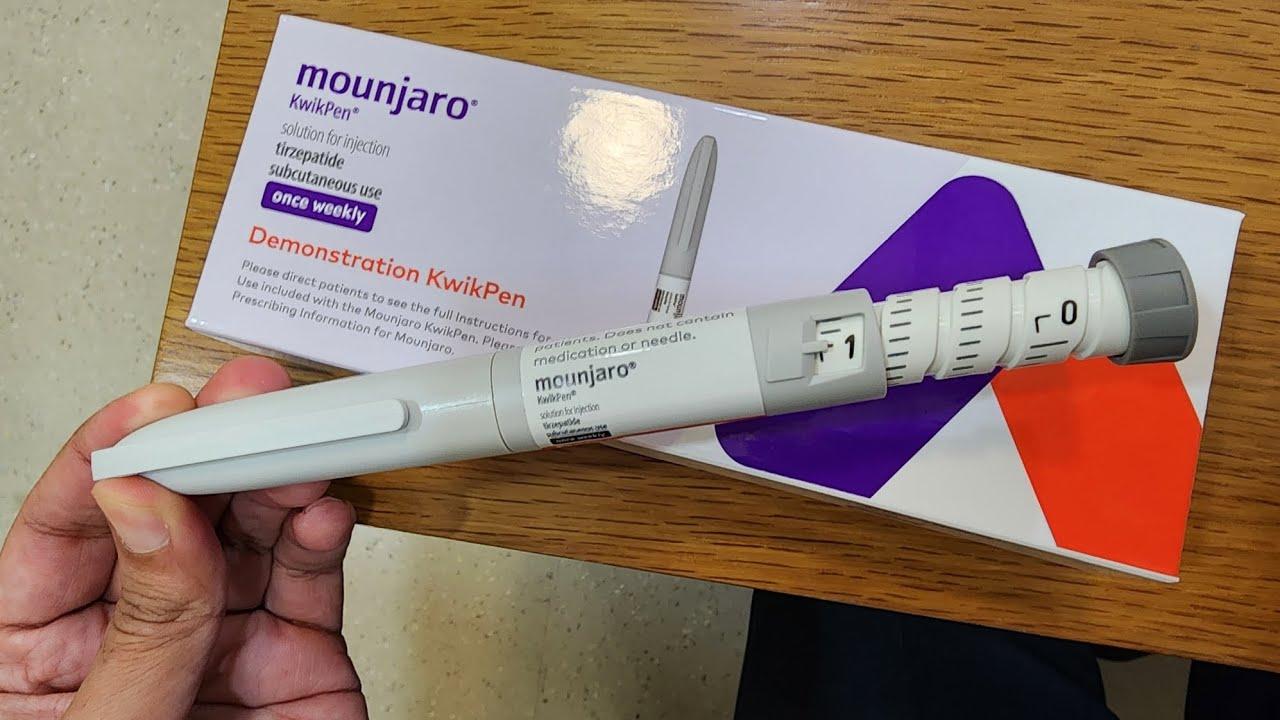
Mounjaro works through a complex interaction of metabolic hormones that influence insulin secretion, appetite regulation, gastric emptying, and glucose utilization. While its mechanism is consistent across individuals, the speed and intensity of response can vary significantly from person to person. Some patients notice early appetite suppression and improved blood sugar control within days, while others require several weeks to experience noticeable changes. This difference is not random; it is rooted in biological variability, hormonal balance, genetic sensitivity, and metabolic health. Factors such as insulin resistance level, receptor responsiveness, body composition, diet patterns, and even gut hormone activity all contribute to how quickly the body adapts to treatment. Mounjaro’s dual action on GLP-1 and GIP receptors creates a layered physiological response, but the efficiency of this response depends on how prepared the body is to engage with these signaling pathways. In clinical metabolic discussions, Mounjaro In Islamabad is often highlighted for its variable response timeline, which reflects natural differences in human metabolism rather than inconsistency in the medication itself.
Understanding How Mounjaro Works in the Body
Mounjaro activates two key incretin hormones: GLP-1 and GIP.
These hormones regulate insulin secretion and appetite control.
Their combined action improves glucose metabolism and energy balance.
Why Metabolism Speed Matters
Metabolic rate influences how quickly the body processes signals.
Faster metabolism may lead to quicker hormonal response.
Slower metabolism may delay noticeable effects.
Role of Insulin Resistance in Response Time
Patients with high insulin resistance may respond more gradually.
Cells take longer to respond to insulin signals.
As resistance improves, effects become more noticeable.
Hormonal Sensitivity Differences
GLP-1 and GIP receptors vary in sensitivity among individuals.
Highly sensitive receptors respond more quickly to activation.
Lower sensitivity may require longer adaptation periods.
Body Weight and Fat Distribution
Body composition plays an important role in response speed.
Higher visceral fat can delay metabolic improvements.
Lean individuals may notice faster appetite changes.
Digestive System Variations
Gastric emptying speed differs from person to person.
Slower baseline digestion may amplify early fullness effects.
Faster digestion may delay noticeable satiety changes.
Gut Hormone Baseline Levels
Natural incretin hormone levels vary between individuals.
Low baseline GLP-1 activity may show stronger contrast after treatment.
High baseline activity may produce subtler changes.
Genetic Influence on Drug Response
Genetics affect receptor expression and hormone sensitivity.
Some individuals naturally respond more efficiently to incretin-based therapies.
Others may require longer adaptation periods.
Impact of Diet Before Treatment
Pre-existing eating habits influence early response.
High sugar intake may slow initial metabolic adjustments.
Balanced diets may enhance early effectiveness.
Physical Activity Levels
Active individuals often show quicker metabolic adaptation.
Exercise improves insulin sensitivity.
This enhances Mounjaro’s effectiveness.
Liver Function and Glucose Processing
The liver regulates glucose storage and release.
Efficient liver function supports faster stabilization of blood sugar.
Impaired function may delay noticeable improvements.
Psychological and Behavioral Factors
Eating behavior affects perceived response speed.
Mindful eating enhances early appetite changes.
Emotional eating may mask early effects.
Medication Absorption Differences
Subcutaneous absorption can vary slightly between individuals.
Blood flow at injection site may influence absorption speed.
However, long-term effects remain consistent.
Role of Gut Microbiome
Gut bacteria influence metabolic hormone signaling.
A balanced microbiome may enhance response speed.
Imbalanced gut flora may delay metabolic adaptation.
Sleep and Hormonal Regulation
Poor sleep can disrupt insulin sensitivity.
This may slow early response to treatment.
Good sleep supports faster metabolic adjustment.
Stress and Cortisol Levels
High stress increases cortisol, which affects glucose metabolism.
Elevated cortisol may reduce treatment efficiency temporarily.
Stress reduction improves hormonal response.
Age-Related Metabolic Differences
Younger individuals often have faster metabolic responses.
Older individuals may require more time for adaptation.
This is due to natural changes in hormone signaling.
Consistency in Dosing
Regular dosing ensures stable receptor activation.
Irregular use can delay visible outcomes.
Consistency is key for predictable response.
Early vs Long-Term Response Patterns
Early response reflects immediate hormonal signaling.
Long-term response reflects metabolic adaptation.
Both phases vary between individuals.
Why Faster Response Does Not Always Mean Better Outcome
Quick responders are not necessarily more successful long-term.
Gradual responders may still achieve strong metabolic results.
Sustained response is more important than speed.
Importance of Individualized Expectations
Each patient’s metabolic system is unique.
Response timelines should be personalized.
Avoiding comparisons improves treatment satisfaction.
Future Research in Predicting Response Speed
Scientists are developing metabolic profiling tools.
These may predict individual response timelines.
Personalized incretin therapy is an emerging field.
FAQs
Why do some people feel Mounjaro effects faster?
Because of differences in metabolism, receptor sensitivity, and insulin resistance.
Does slow response mean the treatment is not working?
No, slower response is still effective and often gradual.
Can lifestyle improve response speed?
Yes, diet, exercise, and sleep significantly influence outcomes.
Does body weight affect response time?
Yes, body composition can influence how quickly effects appear.
Is response speed the same for everyone?
No, it varies widely based on biological and lifestyle factors.

 English