


 SPARK Website
The Role of Reverse Vending Machines in Sustainable Waste Management
The Role of Reverse Vending Machines in Sustainable Waste Management
A mall manager once told me recycling bins used to be the most ignored corner of his building. Bottles went into regular trash. Cans got mixed with food waste. Cleaning staff sorted through the mess every night.
Then his mall installed a reverse vending machine near the food court, and the difference showed up almost immediately. Shoppers started feeding bottles in for small rewards instead of walking past. That single change is really why these machines now sit at the centre of serious waste management planning.
Why Bins Alone Don't Work
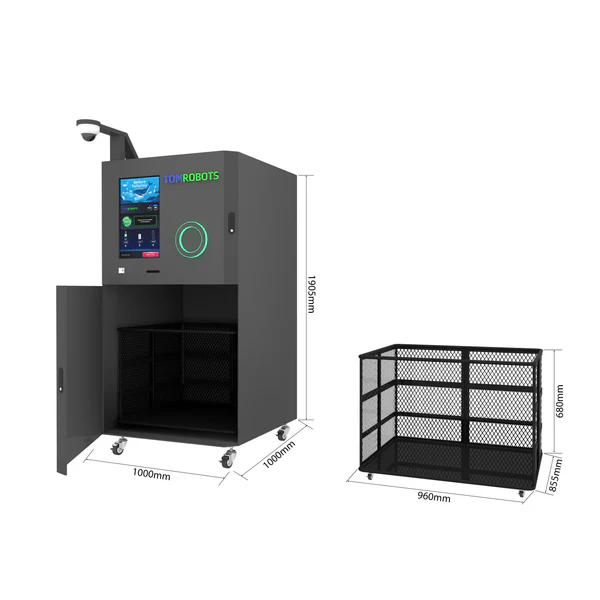
Most cities assume that scattering recycling bins around a building solves the problem on its own. It doesn't, not fully. A shopper will walk past three plain bins without a second thought, but stop for a machine that gives something back for a bottle. A small reward turns a chore into a quick transaction worth doing, and that's the gap a plastic reverse vending machine is built to close.
Sorting Errors Cost More Than They Look
People assume recycling is recycling no matter how it's sorted. It isn't. One batch of food waste mixed in with clean plastic can get an entire load rejected at the sorting facility. A machine with built-in sensors separates materials before that contamination happens, so staff stop relying on guesswork and end-of-day manual sorting.
Manual Collection Doesn't Scale
A single bin feels manageable at first. Then foot traffic picks up, and cleaning crews are digging through overflow, separating items by hand, trying to keep the area presentable during opening hours. A proper Reverse Vending Machine For Sale setup takes that pressure off entirely — collection gets centralised instead of left to whoever's on shift that day.
The Public Notices Eventually
Operational problems show up internally long before customers complain. Overflowing bins, mixed waste, bad smells near entrances — none of it goes unnoticed forever. Most people don't think about what equipment sits behind a recycling point. They just want it clean and working. A dependable machine quietly removes that friction before anyone has to say anything.
Scaling Gets Easier, Not Harder
Expanding a recycling programme to new locations usually feels risky if the first site is already hard to manage. Add more collection points without reliable equipment and the mess multiplies — bins overflow faster, sorting gets inconsistent, maintenance falls behind. With automated machines in place, growth stops creating extra cleanup work, because collection, storage, and reporting stay connected across every site instead of scattered across separate locations.
Better Data, Fewer Guesses
Without proper machines, recycling numbers are usually a mess — nobody tracks volume by material, nobody knows which sites underperform, and decisions get made on instinct. A working machine fixes that by logging what comes in, where, and how often. That visibility lets a facility actually plan instead of react.
Training Gets Simpler
New staff learning five different manual sorting routines across five sites will make mistakes. One consistent machine-driven process removes that variation, which matters most during peak periods when volume spikes and there's no time to retrain anyone on the spot.
Final Thoughts
Serious recycling programmes create real environmental impact, but they also create operational headaches fast. A reliable reverse vending machine solves the parts that manual systems can't — sorting, tracking, and cleanup — and frees staff to focus on expanding the programme instead of constantly fixing it.
Tom Robots builds machines for exactly this, from single-site plastic reverse vending machine units to larger public deployments. Once a facility runs on that kind of system, going back to manual bins rarely feels worth it.

 English