


 SPARK Website
Racing Drones Market
Overview of the Market
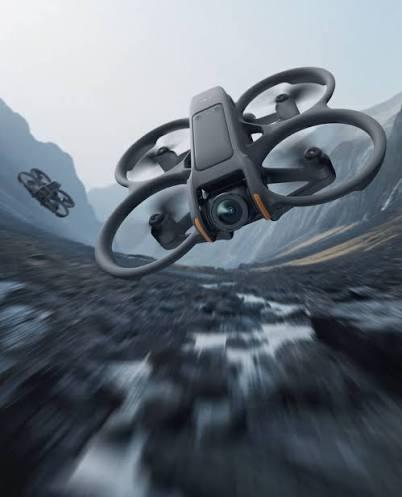
Racing drones are compact, lightweight unmanned aerial vehicles (UAVs) specifically designed for high-speed maneuverability and competitive racing. These drones feature advanced propulsion systems, carbon-fiber frames, low-latency FPV transmission, and customizable components to maximize speed and agility. Increasing consumer interest in drone sports, technological innovations, and expanding applications in training and research are fueling global market growth.
The global Racing Drones Market was valued at approximately USD 2.02 billion in 2026 and is projected to reach USD 3.83 billion by 2030, registering a CAGR of 17.3% during the forecast period. Market growth is driven by the expansion of FPV racing leagues, rising consumer spending on recreational drones, and continuous product innovation.
Access the Full Report PDF Here
Key Market Trends
- Growing popularity of FPV drone racing competitions worldwide.
- Rising demand for lightweight carbon-fiber drone frames.
- Increasing adoption of AI-assisted flight stabilization technologies.
- Expansion of esports and drone racing leagues.
- Technological advancements in brushless motors and battery performance.
- Growing demand for customizable drone components and accessories.
- Increasing investment in drone pilot training and simulation platforms.
Analytical Tool
The report provides comprehensive market insights using:
- Porter's Five Forces Analysis
- SWOT Analysis
- PESTEL Analysis
- Value Chain Analysis
- Competitive Landscape Analysis
- Market Attractiveness Analysis
- Investment Opportunity Analysis
- Supply Chain Analysis
Regional Analysis
North America
- Largest market driven by strong drone racing communities, esports events, and technological innovation.
Europe
- Increasing adoption of recreational drones and favorable innovation ecosystems support market growth.
Asia-Pacific
- Fastest-growing region due to rising drone manufacturing, expanding consumer electronics markets, and increasing participation in drone racing events.
Latin America
- Growing awareness of drone sports and rising recreational drone usage create new growth opportunities.
Middle East & Africa
- Expanding investments in technology and recreational drone activities contribute to steady market development.
SWOT Analysis
Strengths
- High-speed performance and agility.
- Strong demand from esports and hobbyists.
- Continuous technological innovation.
- Customizable hardware and software.
Weaknesses
- Limited battery life.
- High maintenance and upgrade costs.
- Regulatory restrictions on drone operations.
Opportunities
- Expansion of FPV racing leagues.
- AI-enabled autonomous flight technologies.
- Growth in drone education and pilot training.
- Increasing demand in emerging markets.
Threats
- Stringent aviation regulations.
- Safety and privacy concerns.
- Competition from alternative recreational technologies.
PESTEL Analysis
Political
- Government regulations governing UAV operations and airspace.
Economic
- Rising disposable income and consumer spending on recreational electronics.
Social
- Increasing popularity of drone racing as a competitive sport and hobby.
Technological
- Innovations in FPV systems, AI navigation, lightweight materials, and battery technology.
Environmental
- Development of energy-efficient drones and recyclable components.
Legal
- Compliance with aviation laws, drone registration requirements, and safety standards.
Market Share and Key Players
The Racing Drones Market is highly competitive, with manufacturers focusing on innovation, product customization, high-speed performance, and strategic collaborations.
Major players include:
- DJI
- BetaFPV
- EMAX USA
- HGLRC
- iFlight Technology
- Team BlackSheep (TBS)
- Walkera Technology Co., Ltd.
- ImmersionRC
- Holybro
- Rotor Riot
Challenges and Future Opportunities
Challenges
- Strict drone regulations across various countries.
- Limited battery endurance.
- High repair and maintenance costs.
- Intense competition among manufacturers.
Future Opportunities
- Expansion of professional drone racing tournaments.
- Development of AI-powered autonomous racing drones.
- Increasing adoption of virtual and augmented reality in FPV racing.
- Growth in educational and STEM drone programs.
- Rising investments in advanced drone technologies and smart flight systems.

 عربي
عربي